

That Fit Friend is reader-supported and may earn commissions through affiliate links. We also work with select brands on paid editorial partnerships. These relationships do not influence our testing methodology, product ratings, or recommendations. Read more here!
As minimalist and anatomical footwear continue to gain momentum in the training world, more folks like myself are seeking options that blend natural foot splay with the durability and stability of traditional cross-trainers. Two models that frequently enter this conversation are the Forged & Tested Catalyst (the shoe I built!) and the Flux Footwear Adapt Graphene XT.
The Forged & Tested Catalyst is built specifically as a true “transitional” shoe, occupying the exact intersection between a modern cross-trainer (like a Nike Metcon 10) and a true barefoot trainer (like a Vivobarefoot Motus Strength) with a low 3mm drop and grounded stability.
Meanwhile, the Flux Adapt Graphene XT approaches the wide-toe-box market from a cushioned zero-drop angle, deploying a medium-density EVA foam midsole and an aggressive graphene rubber outsole.
Both shoes offer wide, anatomical toe boxes, but their underfoot mechanics, upper volumes, and overall presentation vary drastically. Here’s how they shake out.
Author’s Note: For the record, I built the Catalyst, it took me just about two years to build. As you read this comparison, keep that in mind. I built it because I wanted a minimalist trainer that gave me a barefoot feel, but with a comfortable midsole and proper ankle support. I like the Adapt Graphene XT and rotate it into my lineup. Hopefully, this article properly paints the contrast between the two.
Also, the video above was built by a That Fit Friend community member who likes both shoes and wears them. I wanted to include it because I felt like it does a great job highlighting both footwear options and when to go with each.


Performance Quick Hits
- Better for Heavy Lifting: Forged & Tested Catalyst. Its lower stack height (15mm forefoot/18mm heel), 3mm drop, and dense FlexCore midsole give you raw ground feedback and virtually no compression for 500+ lb deadlifts and 315+ lb squats. The Flux Adapt Graphene XT handles moderate powerlifting (405 lb deadlifts / 285 lb squats), but its medium-density EVA foam midsole has noticeably more give under heavy loads.
- Better for CrossFit & Dynamic Metcons: Forged & Tested Catalyst. The Catalyst’s upper provides dialed lateral containment, and its softer, 1.45mm lugged rubber outsole bites aggressively into rubber gym mats and wooden platforms. The Flux has exceptional grip on turf from its lugged graphene tread, and it works better for WODs when rope climbs are programmed (the Catalyst isn’t built exclusively for CrossFit).


- Better for Running Intervals: Tie (context-dependent). The Flux Adapt Graphene XT is better for casual 1–2 mile warm-up jogs where its medium-density EVA foam and subtle toe spring provide forgiveness on concrete. The Catalyst is significantly better for short sprint repeats, shuttle runs, and 1k-meter-and-down efforts, especially if you love minimalist shoes for running.
- Better for Wide & High-Volume Feet: Preference-dependent. Both feature anatomical wide toe boxes. The Catalyst provides natural toe splay while maintaining a secure midfoot and snug heel lock. The Flux Adapt Graphene XT has a bit more upper volume, making it the better match if you have an exceptionally high instep.
- Better for Daily Wear & Coaching: Forged & Tested Catalyst. The Catalyst breaks in within two sessions and pairs cleanly with casual wear. The Flux is lightweight and breathable, but its upper can feel a little more stiff during the break-in process. It also has a slightly more aggressive collar material at the top of the boot, which can rub against the Achilles and ankles at times.

Flux Adapt Graphene XT

Forged & Tested Catalyst
Sizing and Fit Comparison
About My Feet: I have a normal arch/instep and my feet come in at an E/EE width. The length of my left and right foot are consistent with one another, and I size as a true US 10 across most athletic brands.

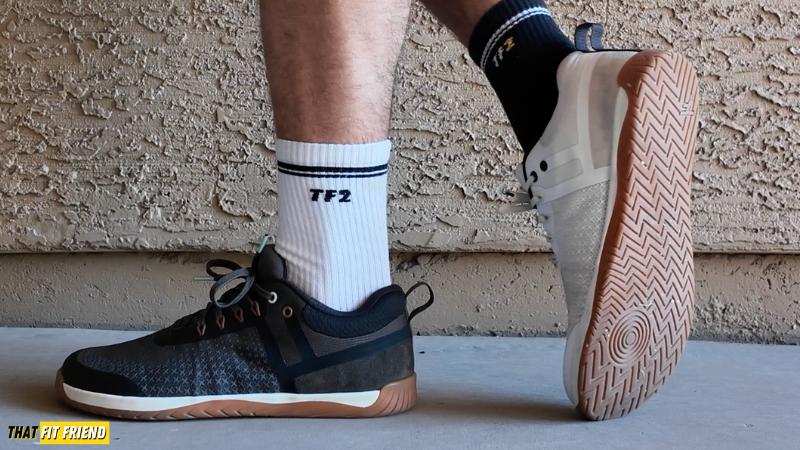
- Forged & Tested Catalyst: Fits true to size. It features an anatomical, wide toe box designed to let toes splay naturally, but retains a secure midfoot and snug heel cup. Narrow, standard (D), and wide (E/EE/3E/4E) feet will feel right at home going true to size. It also provides a flat, neutral base that flat-footed lifters will love. If you have a noticeably high instep, then the Flux may be a better move for you.
- Flux Adapt Graphene XT: Fits true to size in length and should work for most foot widths. Because the upper has more volume, standard and narrow-width feet may experience a bit of sliding and heel rub. It’s going to be the most dialed for those with wider feet and normal to high insteps.
Which is wider? The Forged and Tested Catalyst takes a slight edge regarding overall width, especially through the forefoot. However, I wouldn’t stress the width of either of these shoes, as they’ll work for a wide range of foot anatomies.
Performance Expanded
Lifting & Strength Work
Under heavy barbell loads, the Forged & Tested Catalyst has a distinct edge in raw stability and ground feel. Because it sits lower to the floor with a 3mm drop, your foot stays locked and planted into the floor. There is virtually zero compression through the chassis, making it rock-solid for 500+ lb deadlifts and 315+ lb squats. It allows your feet to naturally pronate and splay without feeling like an elevated platform.
The Flux Adapt Graphene XT is a capable lifter for general hypertrophy and moderate powerlifting, handling 405 lb pulls and sub-300 lb squats respectably. However, its medium-density EVA foam midsole has noticeably more give under heavy compressive forces.
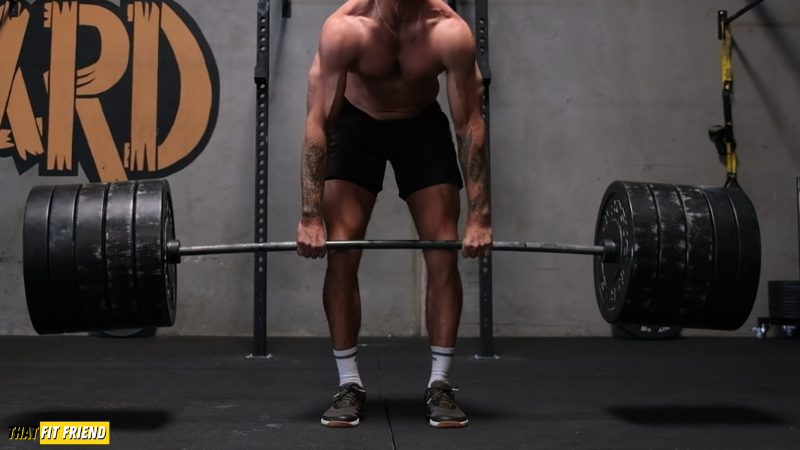

Additionally, the stock textured “bumpy” insole in the Flux can feel slippery under heavy downward force; ditching that insole helps stability, but the upper lacks the lateral structure to anchor your foot completely when driving hard against the floor.
- Winner: Forged & Tested Catalyst. For pure lifting asks, the Catalyst can be a good move due to its noticeably denser, more stable, and more grounded feel. A lot of bodybuilders and powerlifters have been using them for their lifting, for example. The Flux will get the job done for most lifters, though, so I wouldn’t overthink either of them for general strength training.
Forged & Tested Catalyst
$125
Pros
- Great for Minimalist Lovers
- Grippy Outsole
- Lightweight and Flexible
Cons
- Pass If You Want Ample Arch Support
- Not the Best for Longer Runs
Best For
- Lifting
- Cross-Training
- Wide Feet
- Minimalist Lovers
- Sprints/Short Runs (<1k meters)
Specs
| Heel-to-Toe Drop | 3mm |
| Weight | 11 oz (size 10) |
| Width | Wide |
| Lifting Threshold | ~505 lbs |
| Run Distance Threshold | <1k meters (at one time) |
Cross-Training, Metcons & Plyometrics
During dynamic metcons and high-intensity agility work, the trade-offs between lockdown and flexibility become very apparent.
The Catalyst shines during multi-directional movements, lateral bounds, and plyometrics. Its upper provides secure midfoot containment that prevents your foot from shifting over the edges of the footbed, and its rubber outsole delivers some of the tackiest, most reliable grip you will find on rubber gym mats and wooden platforms.


The Flux Adapt Graphene XT boasts an aggressive graphene lugged tread that bites into turf and holds steady on rower sprints. It also provides a bouncy, cushioned rebound for box jumps.
- Winner: Forged & Tested Catalyst. The Catalyst can take a slight edge for lateral containment, but the Flux Adapt Graphene XT can be a great option for the purely CrossFit-focused individual who wants a zero-drop trainer.
Running Performance
When it comes to logging running intervals, neither of these models is built to replace your high-mileage road running shoes, but they approach short intervals from different philosophies.
The Catalyst feels nimble and fast for sprint repeats, shuttle runs, and short intervals under 1,000 meters. Its low stack and 3mm offset allow forefoot strikers to turn over quickly with zero clunkiness, though athletes not adapted to minimalist training will find it too firm for logging multi-mile road runs.


The Flux Adapt Graphene XT offers more underfoot forgiveness for casual runners. The medium-density EVA foam cushions impact on concrete, and the subtle toe spring helps roll your stride forward during 1 to 2-mile warm-ups or cool-downs.
- Winner: Flux Adapt Graphene XT for casual jog intervals and extra cushion, and Catalyst for short sprints and speed drills where you want as much ground feel as possible.
Flux Adapt Graphene XT
$150
Pros
- Lightweight build
- Zero-drop (flat) construction
- Versatile training shoe
Cons
- Boot is hit or miss
- Can slide on insole
- High price point
Best For
- Cross-Training
- Strength Training
- Classes and HIIT
- Wide Feet
Specs
| Heel-to-Toe Drop | 0mm |
| Weight | 10.55 oz (size 10) |
| Width | Wide |
| Lifting Threshold | ~405 lbs |
| Run Distance Threshold | 1-2 miles (at one time) |
Daily Wear, Walking & Coaching
For coaches and athletes on their feet all day, both shoes provide anatomical room for your toes to spread out, avoiding the suffocating squeeze of traditional trainers.
The Catalyst has a clean aesthetic that pairs seamlessly with casual wear, jeans, and joggers. It breaks in within two sessions to mold closely to the foot, making it exceptionally comfortable for coaching on the gym floor for 6+ hours without arch fatigue or hotspots.
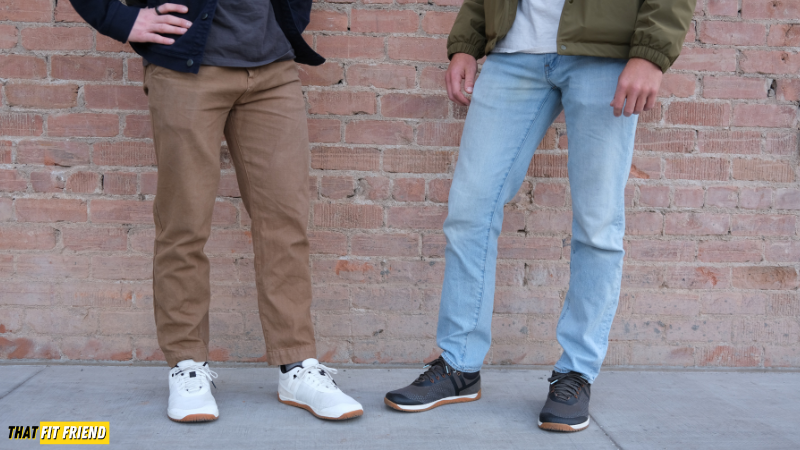

The Flux Adapt Graphene XT is lightweight and well-ventilated. It’s a solid option for living in warmer climates and breathes a little better than the Catalyst’s reinforced mesh. Its boot construction can be a little hit or miss. My pair took a couple of weeks to break in because it rubbed my Achilles a little bit. If this also happens to you, a way to break them in faster is to work the top of the boot’s material with your hands, as that can soften it up a little bit.
- Winner: Forged & Tested Catalyst. It has better ankle comfort, especially for those who love a lot of hug in their shoes, along with more versatile styling.
Construction Differences
Upper
The Catalyst uses a high-grade, abrasion-resistant upper reinforced along the perimeter to lock the foot in during dynamic cutting without adding deadweight. The heel cup is low-profile and lined to avoid Achilles rubbing.
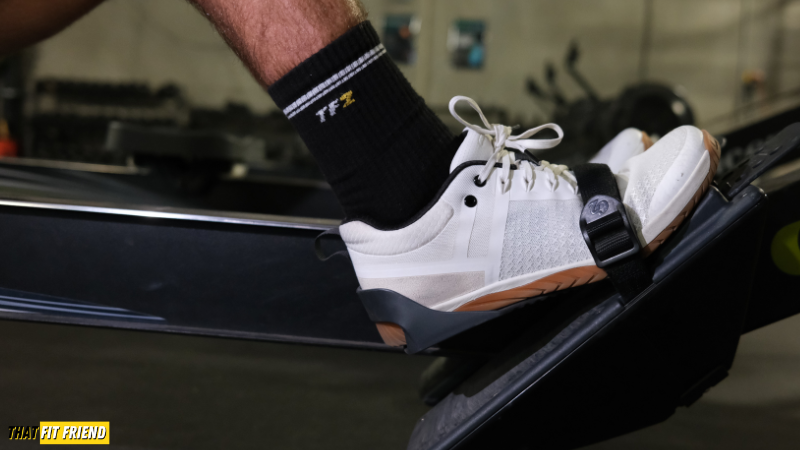

The Flux Adapt Graphene XT features an engineered knit and mesh upper with open ventilation ports. While breathable, the upper lacks lateral overlays, and the heel boot is constructed with a thick, stiff padding that sits high against the ankle.
Midsole
The Catalyst utilizes a dense, low-profile midsole on a 3mm drop platform designed to maximize force transfer and natural foot movement. It comes with a smooth, standard athletic footbed.


The Flux features a zero-drop platform cushioned by a thicker EVA foam midsole and includes their signature textured “cushion-pod” insole, which provides a tactile massage feel that some athletes love and others immediately discard.
Outsole
The Catalyst utilizes an ultra-sticky, full-contact rubber outsole with exceptional surface-area traction on rubber mats, platforms, and turf.


The Flux features a graphene-reinforced rubber outsole covered in distinct, multi-directional trail/turf lugs designed for multi-surface bite.
Final Remarks: Which Shoe Is Best?
While both the Forged & Tested Catalyst and Flux Adapt Graphene XT champion the wide-toe-box movement, they serve two distinct training personas.
If you are looking for an all-around training shoe that locks your foot down for heavy barbell lifting, dynamic plyometrics, and functional fitness, the Forged & Tested Catalyst is the move.
If you have thicker feet, want zero-drop geometry with added foam cushion, and primarily want a shoe for CrossFit and lifting, the Flux Adapt Graphene XT is a good move.
If you have additional questions about how the Catalyst or Flux Adapt Graphene XT fit or perform for your specific training split, drop a comment below!


Add a Comment