

That Fit Friend is reader-supported and may earn commissions through affiliate links. We also work with select brands on paid editorial partnerships. These relationships do not influence our testing methodology, product ratings, or recommendations. Read more here!
Ah, yes, the age-old training/CrossFit shoe debate: Nike vs Reebok. They are arguably the two biggest names in training shoes, regardless of how you like to train. Granted, smaller brands are starting to take more of that marketing share (woo!).
Their most recent iterations of their flagship models, the Nike Metcon 10 and Reebok Nano X5, are debated everywhere:
Which one is better for training?
The answer? It depends.
They’re both built to handle CrossFit, lifting, and cross-training and anything else you’d want to do in the gym. They take very different approaches to getting there. The Metcon 10 leans heavily into stability and has a lower-profile, athletic fit, while the Nano X5 aims to strike a balance between comfort, versatility, and stability.
I did the legwork for you (a moment for the pun), and have some thoughts about where the Metcon 10 is better suited and where the X5 should be the go-to answer.
Performance Quick Hits
- Better for Lifting: The Metcon 10’s React foam midsole and built-in Hyperlift TPU plate give you a more stable and grounded platform for lifting than the X5’s softer, more pliable foundation. The edge here goes to the Metcon 10.
- Better for CrossFit: Again, thanks to its stability, durability, and more athletic feel, the Metcon 10 takes the edge. The X5 makes a decent case for itself, though, if your gym’s programming skews more toward interval runs and jumps.
- Better for Cross-Training: This one is pretty much a wash. The Metcon 10 offers a lower-profile and more athletic feel. Whereas the Nano X5 gives you a slightly softer, more forgiving ride for HIIT, classes, and varied circuits.
- Better for Short Runs: With its Floatride Energy Foam midsole and softer forefoot, the X5 is a more comfortable option for runs from 400 meter intervals up to a mile or two. The Metcon 10 is fine for shorter intervals on a treadmill or Assault Runner but fall short for anything outdoors once again.
- Better for Daily Wear: Again, the X5’s comfort wins out. It’s softer, more flexible, and generally more comfortable for all-day wear. The Metcon 10 can be okay, though, if your foot anatomy works with this shoe — so don’t completely discredit them, especially if you’re a coach wanting them for being on your feet for most of the day.
- Better for Your Wallet: There isn’t a clear winner here either. The Metcon 10 has a list price of $155 and the Nano X5 comes in at $150. If price is your core driving factor, go with whichever one you can get on sale. Otherwise, if you like how they both feel, don’t forget that aesthetics are important. Find a colorway you vibe with.
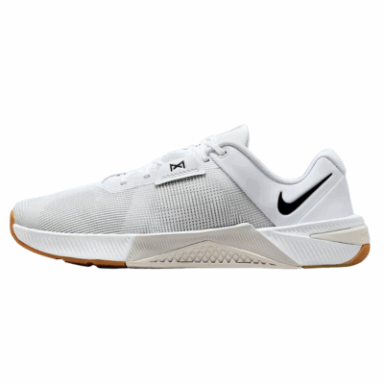
Nike Metcon 10
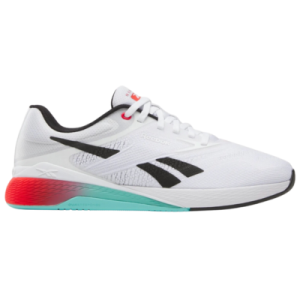
Reebok Nano X5
Fit & Sizing Suggestions
About My Feet: I have a normal arch/instep and my feet come in at an E/EE width. The length of my left and right foot are consistent with one another, and I size as a true US 10 for most companies’ sizing charts.
Specs:
- Nike Metcon 10
- Weight: 11.85 oz
- Drop: 4mm
- Insole: Thin removable foam
- Reebok Nano X5
- Weight: 13.35 oz
- Drop: 7mm
- Insole: Thin removable foam

Narrow (<D) Foot Suggestions
- Reebok Nano X5: True to size.
- Nike Metcon 10: True to size.
Medium (D-E) Foot Suggestions
- Reebok Nano X5: True to size.
- Nike Metcon 10: True to size.
Wide (2E+) Foot Suggestions
- Reebok Nano X5: E/EE true to size. 3E+, size up a half-size.
- Nike Metcon 10: True to size. 3E+, pass or try going up a half-size.
Both the Nike Metcon 10 and Reebok Nano X5 run true to size for most athletes with narrow to E-width feet. If you’re on the lower end of the 2E width, stay true to size as well. If you’re in the 2E+ range, I recommend going up a half size in either model to avoid feeling cramped.
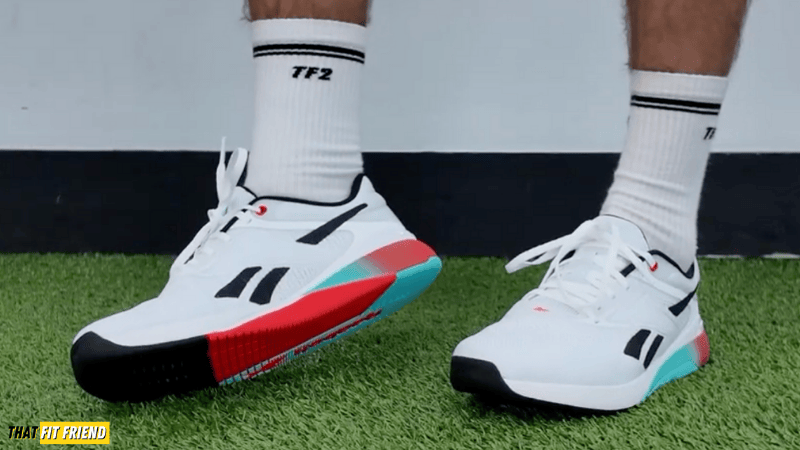
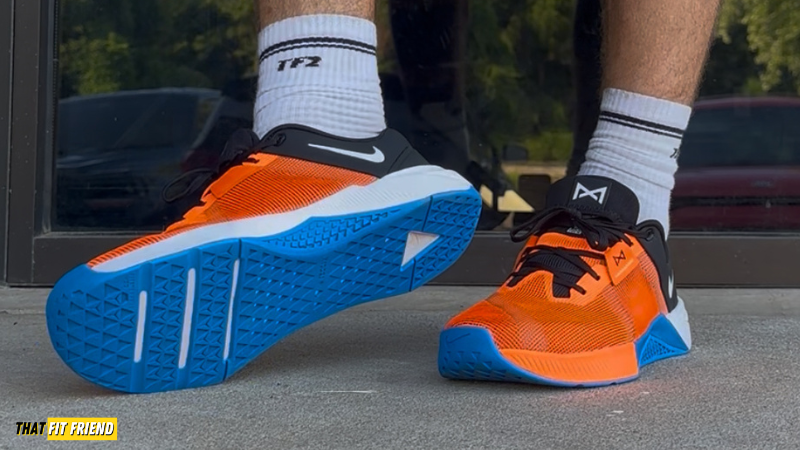
The Metcon 10 has a wider base in the forefoot and toe box, but still tapers pretty aggressively through the toes. If you have a wider or blockier foot, you will feel some pressure near the pinky toe. It also has a more pronounced and structured arch. Its athletic, almost cleat-like silhouette gives it a more low-profile fit with a reduced upper. Not a deal breaker, just something to keep in mind if you rely on custom orthotics.
The Nano X5 has the narrower toe box of the two and a more aggressive taper through the midfoot. Its arch is less aggressive than the Metcon 10 and thanks to the softer foam, it’s not as noticeable as in the Metcon 10. The 10’s arch does break in a bit after about a week or two of wear, so it does get better. The upper does have more volume and the Flexweave has more stretch and give to it, which is great if you use custom orthotics or have a higher instep.
Performance Analysis
Lifting Head-to-Head
When it comes to stability under heavy weight, the Metcon 10 takes the crown. The React foam midsole is dense and supportive, especially in the heel thanks to the Hyperlift TPU plate that’s built into the heel.
It adds to the shoe’s overall stability for squats, cleans, and heavy pulls. It feels purpose-built to push max-effort lifts and still has just enough versatility to confidently move in other planes of motion.
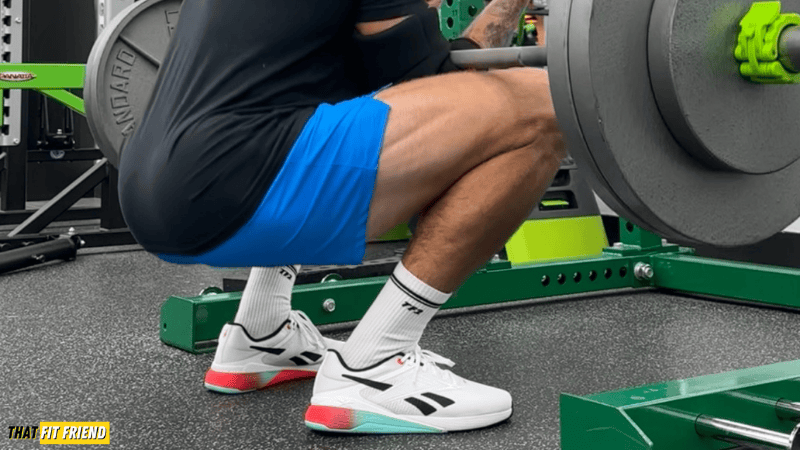
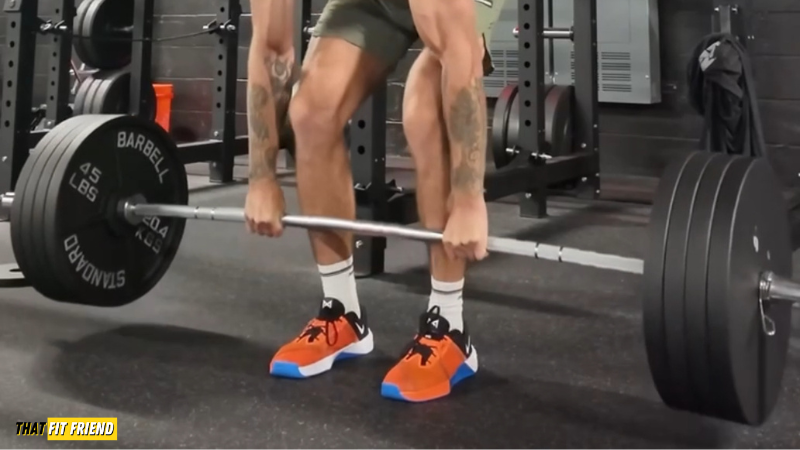
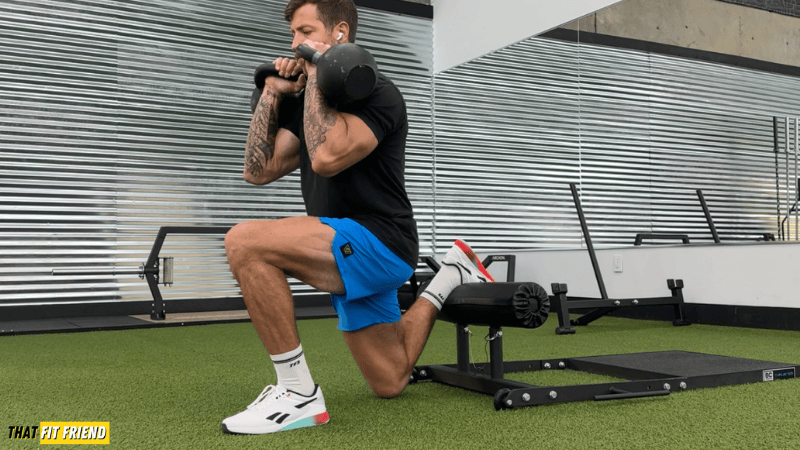

That’s not to say that the Nano X5 is a slouch under the barbell, its Lift and Run chassis and denser heel provide a stable enough platform for most strength work. The softer Floatride Energy Foam makes it slightly less stable under maximal loads. I’ve pulled upwards of 500 lbs in these and been fine.
Winner: Go with the Metcon 10 if you want max stability and a denser heel, but both can work fine.
Nike Metcon 10
$155
Pros
- Stable for lifting
- Athletic feeling upper
- Good for arch support lovers
Cons
- Not flat feet friendly
- Still lacks versatility
- Upper volume is hit or miss
Best For
- Lifting
- CrossFit
- Cross-Training
- Arch Support Lovers
- Low Volume Feet
Specs
| Heel-to-Toe Drop | 4mm |
| Weight | 11.80 oz (size 10) |
| Width | Medium/Wide |
| Lifting Threshold | ~455 lbs |
| Run Distance Threshold | <1,200 at one time |
CrossFit Matchup
This one really comes down to your gym’s specific programming but the Metcon 10 gets the overall edge. It’s the more durable and well-rounded shoe between the two. If your gym programs more heavy barbell work and explosive movements, the Metcon 10’s stability is going to be a welcome addition.
The outsole’s triangular lug pattern and aggressive middle eyelet keeps you locked in without feeling sloppy in lateral movements. They also reworked the excessive rope guards which is awesome for breathability, flexibility, and overall bulk.
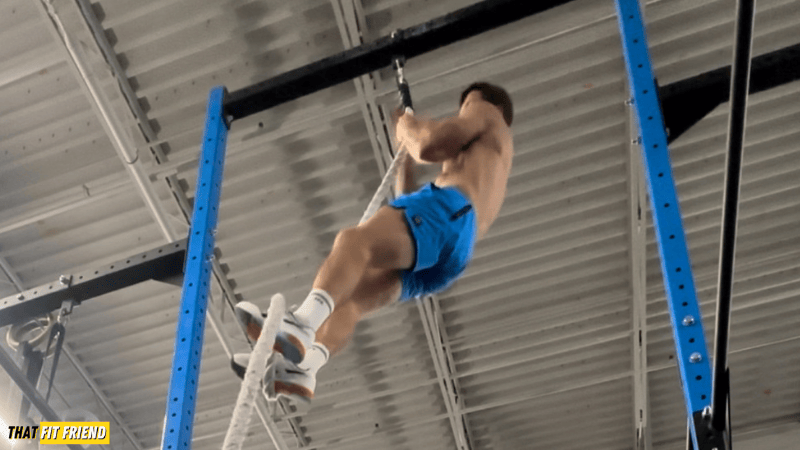
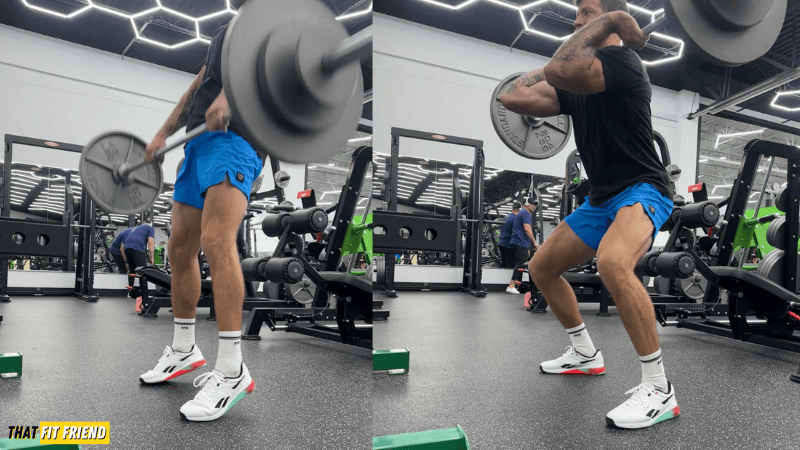
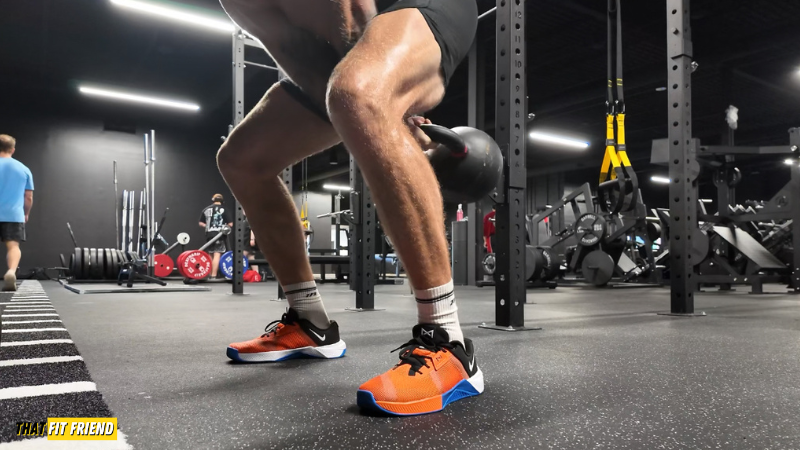
The Nano X5 can still be a strong CrossFit shoe, especially if your gym’s programming leans more toward versatility and athleticism. Think workouts with lots of interval runs, jumps, and agility drills.
Winner: I have a hunch, and maybe I’m off my rocker here, the Metcon 10 will be the masses favorite for CrossFit. Their durability is also showing promising signs compared to the Nano X5, especially in the realm of the outsole.
Cross-Training Showdown
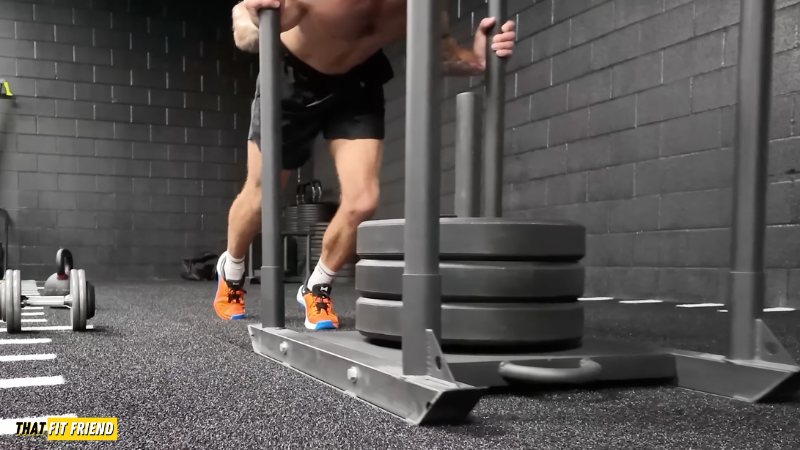
Again, this one really comes down to your preferences. If you like a lower-profile, athletic fit shoe that makes you feel quick and grounded, the Metcon 10 will suit you better.
The full rubber outsole offers superior grip across all gym surfaces, and the addition of the forefoot breaks in the tread (a nice improvement over its predecessors), it has enough flexibility to be dangerous.
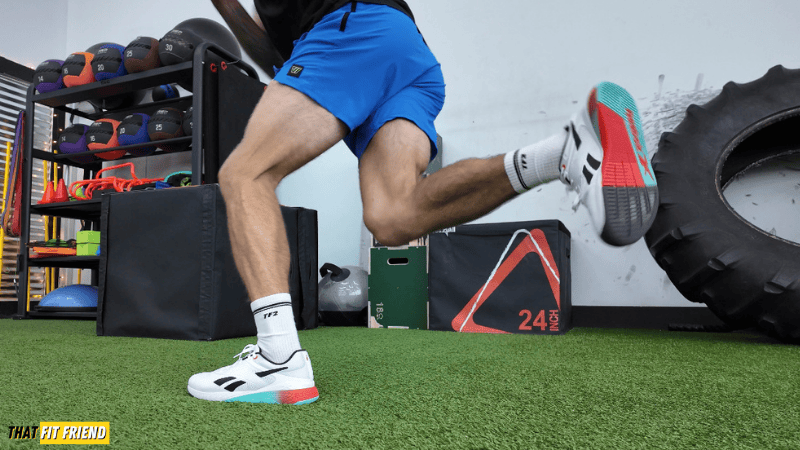
If you prefer something softer and more forgiving for HIIT, classes, and agility work, the Nano X5 has the edge. It’s grippy enough and stable enough that you can jump and cut without any hesitation. The Lift and Run chassis is a nice boost to its ability to transition between movements at high speed.
Winner: Different contexts will influence which shoe will be best for you. If you need additional insights here, drop a comment below!
Reebok Nano X5
$140
Pros
- Midsole is well-rounded
- Outsole has good grip
- Great shoe for a little bit of everything
Cons
- Arch can bother flat feet
- Tongue runs a bit short
Best For
- Recreational Lifting
- CrossFit
- HIIT
- Class Workouts
- Short Runs <1 Mi
Specs
| Heel-to-Toe Drop | 7mm |
| Weight | 13.1 oz |
| Width | Medium/Wide(ish) |
| Lifting Threshold | ~475 lbs |
| Run Distance Threshold | < 2 miles |
Short Runs Battle
The Metcon 10 is suitable for very short runs (400m-1,200m) if you’re a forefoot striker and you don’t have a better option. It’s just too stiff and clunky for anything longer, and I’ll die on that hill. The pronounced heel, is made stiffer thanks to the Hyperlift TPU plate — which has been reworked, yes, but it still isn’t great and makes heel striking feel awkward and uncomfortable if you have that type of stride.
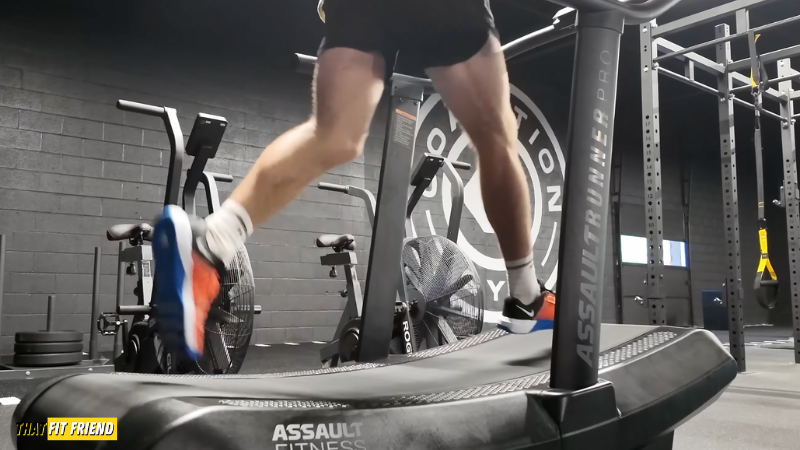
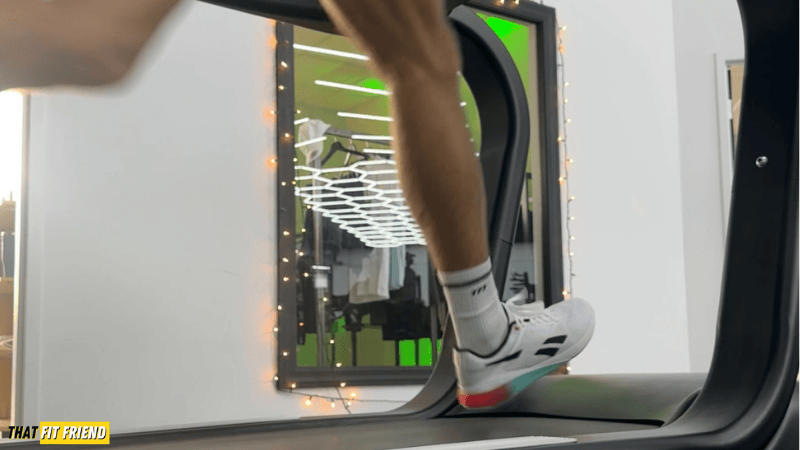
The Nano X5, on the other hand, is just more comfortable. It doesn’t matter if you’re hitting some intervals on an Assault Runner or taking it out for runs up to a couple of miles. The Floatride Energy Foam in the forefoot gives you a soft and pliable ride.
Winner: The Nano X5 is the better option for short runs if you need a shoe for some pre and post-workout runs and regular intervals, or even classes with short runs. The 10 can work, but again, I’d keep the distances to shorter intervals.
Daily Wear, Comfort Comparison
For all the reasons I’ve already mentioned, the Nano X5 is straight up the more comfortable all-day shoe. If you want something you can wear from the gym to the grocery store to the office without feeling like you’re in a performance shoe, it’s clearly the better choice.
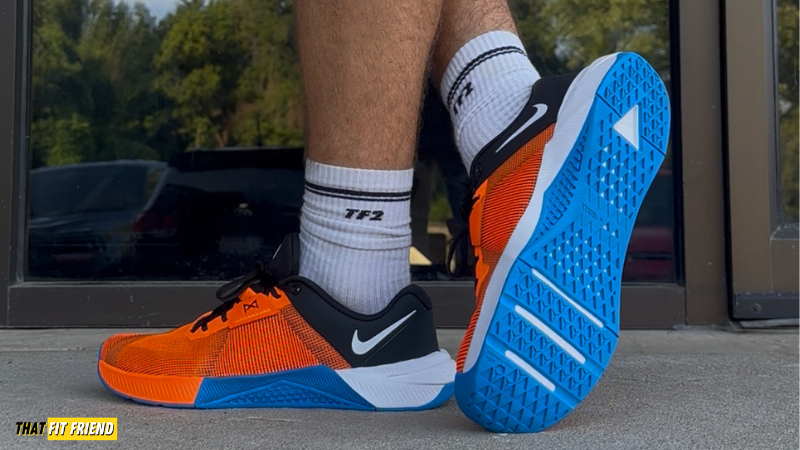
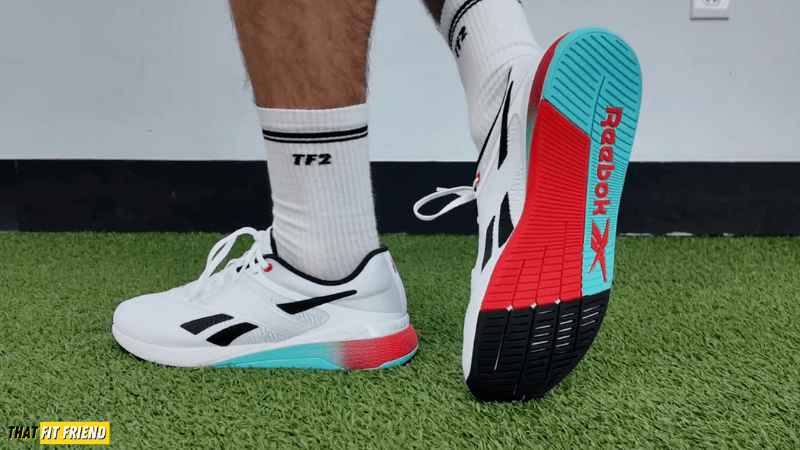
However, I have had some comments from other coaches on YouTube reporting that they enjoy the Metcon 10 for all-day wear and coaching. If you like arch support, more hug on the foot, and you don’t mind a denser ride, then I could see the 10 ticking that box for some.
Winner: Even though the Nano X5 is a touch heavier, it feels lighter underfoot, it’s more flexible, and it has a softer heel and forefoot.
Construction Breakdown
Midsole
- Similarities:
- Both have a full-length foam midsole paired with a thin, removable foam insole.

- Differences:
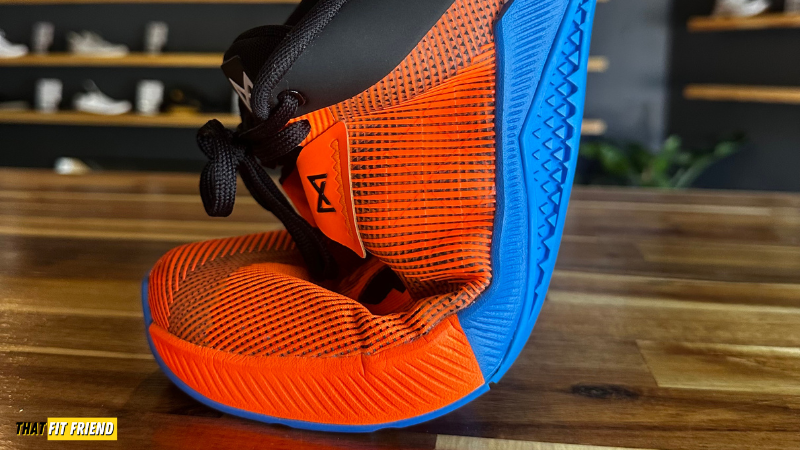
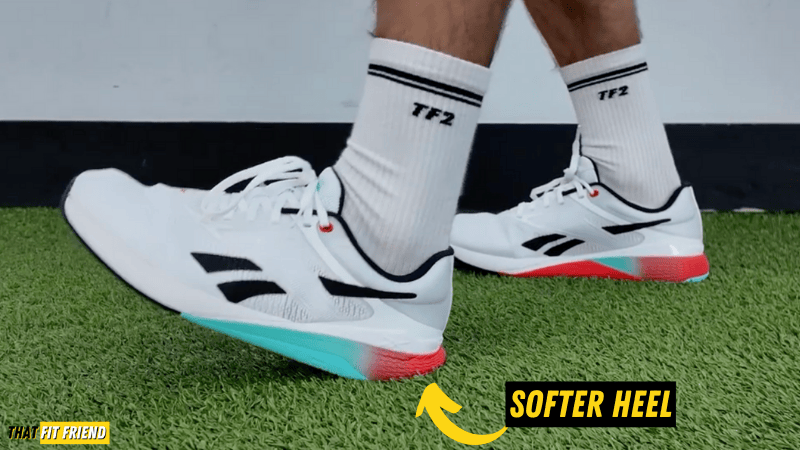
- The Nano X5 uses Reebok’s Floatride Energy Foam in the forefoot for a softer, more pliable feel. It’s paired with a denser heel for lifting stability, and its Lift and Run chassis helps keep transitions smooth between strength work and cardio.
- The Metcon 10 features Nike’s React foam, which is slightly softer and more responsive in the forefoot than the Metcon 9 (a welcome design change) but still denser than the Nano X5. Its Hyperlift TPU insert in the heel adds rigidity, making it feel more stable under load while sacrificing comfort and flexibility.
Outsole
- Similarities:
- Both have full rubber coverage for grip and durability, plus forefoot grooves to help with flexibility.


- Differences:
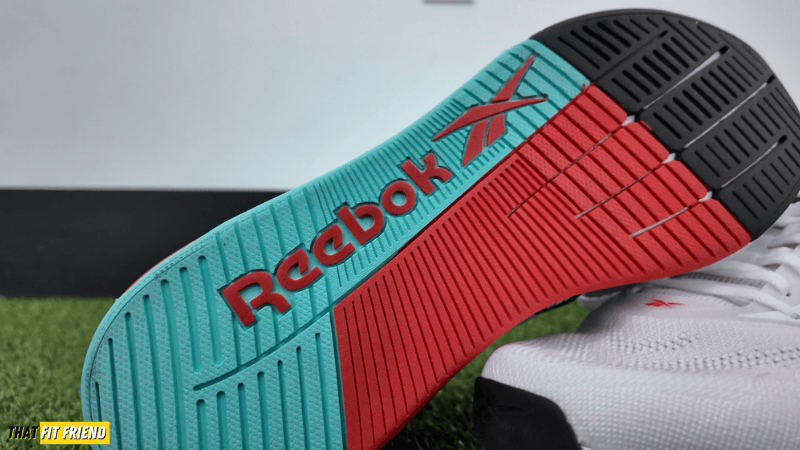
- The Nano X5’s outsole has a flatter tread pattern that grips well indoors. Its breaks throughout can wear faster with heavy outdoor use though, a knock against it in terms of durability and longevity.
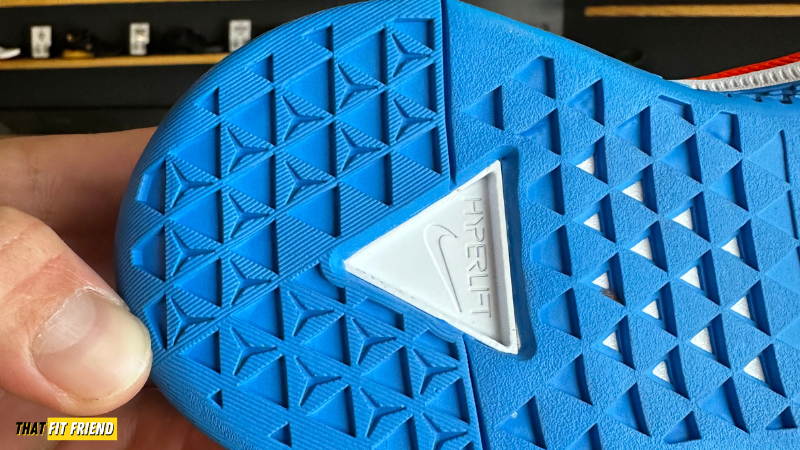
- The Metcon 10’s triangular lug pattern offers superior traction across every surface you’ll find in and out of the gym. Breaks in the forefoot help with flexibility, and the cutout in the heel exposes the Hyperlift plate built into the heel.
Upper
- Similarities:
- Both use a mesh base for breathability with overlays for durability and structure.

- Differences:
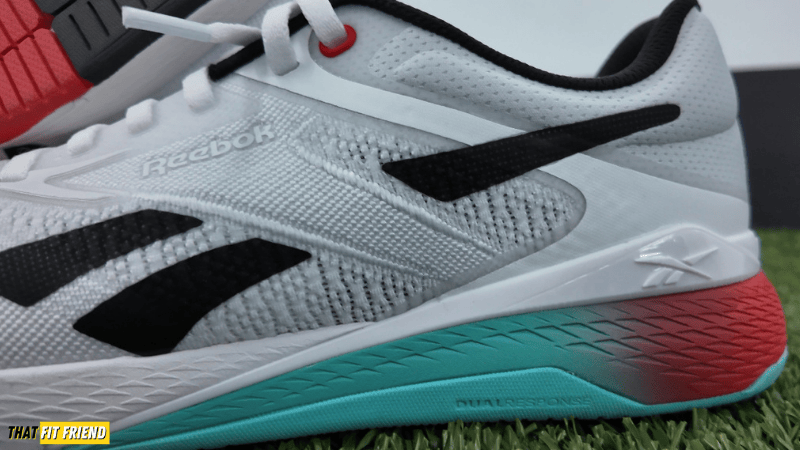
- The Nano X5’s Flexweave upper is light, breathable, and flexible. It features TPU overlays for durability. Its padded mesh boot has more volume which makes it more prone to heel slip, especially with its shorter tongue and wider collar.
- The Metcon 10’s layered mesh with haptic overlays feels heavier and is definitely less breathable. Its low-profile padded boot offers good lockdown, though it too can lead to heel slip depending on your personal foot anatomy.
Lacing & Tongue
- Similarities:
- Both shoes feature 5 core eyelets over a padded mesh tongue.


- Differences:
- The Nano X5 uses a traditional lacing system with five core eyelets over a padded mesh tongue. It features a 6th eyelet for lace lock and two tongue loops for additional security.
- The Metcon 10 has a reworked eyelet system with a more aggressive middle eyelet for lateral stability. The Metcon also has a padded mesh tongue with a lace-tuck pocket, a nice little bonus for keeping laces out of the way.
Final Thoughts
If your training revolves around heavy lifting, CrossFit, and you prioritize stability above all else, the Nike Metcon 10 is the safer bet. Its denser heel thanks to the Hyperlift insert and low-profile fit make it a solid platform for barbell work and heavy strength CrossFit movements.
If your training skews more versatile or athletic, a mix of lifting, running, HIIT, and daily wear, the Reebok Nano X5 offers a softer, more comfortable ride without giving up too much in the way of stability.
If you prefer something softer and more forgiving for HIIT, classes, and agility work, the Nano X5 has the edge. It’s grippy enough and stable enough that you can jump and cut without any hesitation. The Lift and Run chassis is a nice boost to its ability to transition between movements at high speed.



Watt
Hi Jake!
Thanks for this review.
I currently own a pair of Dropset 3. I wouldn’t say that I do heavy lifting because of a back problem, but I do incorporate plyometrics during my lower day as I play badminton (Box Jumps, Shuffles, etc). I still do exercises like squats (incl bulgarian), as well as leg press for strength training.
I wanted to ask if I should just stick with the Dropset 3 or try to make a switch towards the Nano X5/Metcon 10 based on my focus?
Appreciate any response from you!
If you’ve been loving the Dropset 3, then I’d stay the course. I’m a big fan of not fixing what isn’t broken. That said, if you do find them to be a little too dense, then I’d give the Nano X5 a try and see if those work a little better for your asks!
Watt
Thanks for the quick response Jake!
I’ll give the Dropset 3 some time since I just bought them recently. Might just add the Nano X5 to my shoes collection in the future 😂
Not a bad move! Give it a few months, then go X5 or report back if you’d like other options!
Kim
Hi Jake, I’m Kim.
Thanks for your post.
My foot length is 235 mm and the width is 100 mm.
What sizes of the Nano X5 and Metcon 10 do you think would fit me best?
There are only a few Reebok and Nike stores in my city, so I have to order online.
I just want to reduce the chance of ordering the wrong size.
Responded to your other comment!
Kim
Hi Jake, I’m Kim.
Thanks for your post.
My foot length is 235 mm and the width is 100 mm.
What sizes of the Nano X5 and Metcon 10 do you think would fit me best? Men’s size 250mm?
There are only a few Reebok and Nike stores in my city, so I have to order online.
I just want to reduce the chance of ordering the wrong size.
Thank you for reading
I’d say keep it simple here. The size charts can be so-so at times. IMO, I’d size them the same as your current running shoes and daily wear shoes. That should give you the best potential to nail the sizing.