

That Fit Friend is supported by its readers. I [Jake] run this site myself and buy the gear reviewed. If you purchase through my site, I may earn commissions on sales. Read more here!
The Nike Metcon 10 versus the Forged & Tested Catalyst is a matchup that best rivals an underdog going up against a long-standing, beloved champion.
For the record and to make sure we’re on the same page, I enjoy the Nike Metcon training shoe line. I also built the Forged & Tested Catalyst, so this comparison is going to be a breakdown of how these shoes differ, how I like to use each, and where they can make the most sense for your asks.
The Nike Metcon 10 represents a decade of iteration, moving back toward its athletic roots with a more streamlined and responsive feel. The Forged & Tested Catalyst is what I call a “transitional” training shoe designed to bridge the gap between modern-day cross-trainers and barefoot shoes.
Price, shape, and function heavily differ between these shoes. The Nike Metcon 10 retails for $155 and features a 4mm heel-to-toe drop with a weight of approximately 11.8 ounces. The Forged & Tested Catalyst enters at a more budget-friendly $120, offering a flatter 3mm drop and a lighter overall build at 11.0 ounces. Here’s the full breakdown.

Performance Quick Hits
I’m going to do my best to separate personal biases from this section. I obviously prefer the shoe I built because I purposely built it to be my ideal and perfect shoe in the gym, but I’d be remiss to not acknowledge where the Metcon 10 can make more contextual sense for some.
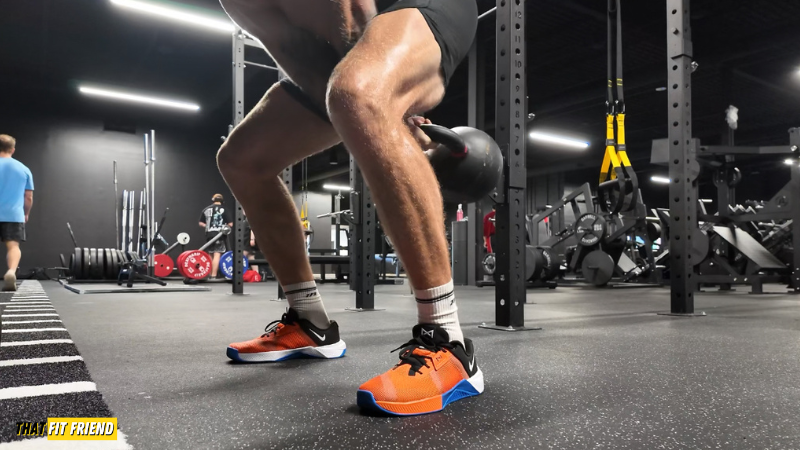
- Better for Lifting: Both can be great. The Catalyst is wider and it features a lower stack height, AKA it has less material separating your foot from the floor. This makes it stable, yet flexible for heavier strength work. The Metcon 10’s ReactX foam midsole is denser in feel and provides good stability with a more “structured” base. If you want flexibility and ground feel, go Catalyst. If you want more rigidity and arch support, go Metcon 10.
- Better for CrossFit and Cross-Training: Tie, but preferences matter heavily here. If you’re someone who likes a more sock-like fitting shoe that moves well with the feet for more athletic-style movements, the Catalyst will be the move. That’s been one of the biggest pieces of feedback I’ve received thus far with them for CrossFit and cross-training. If you want something that’s less minimalist with a heavier upper and more structure on the feet and built specifically for CrossFit, then the Metcon 10 will make a lot of sense.


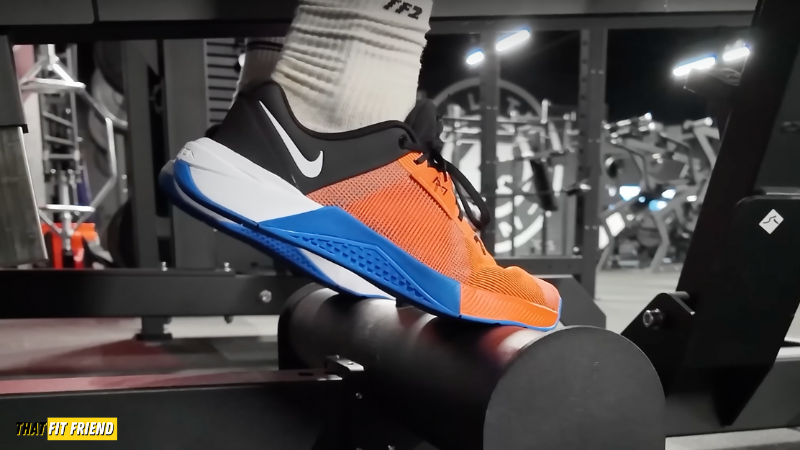
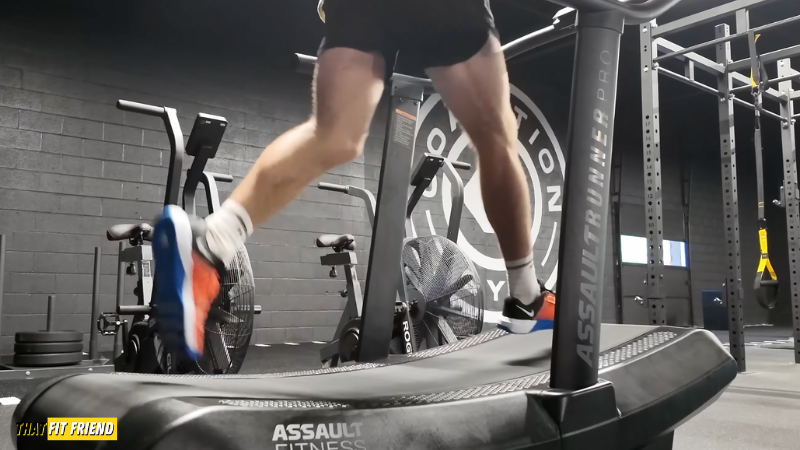
- Better for Short Runs: I think for most, the Catalyst will take the edge. Neither of these shoes are built for long runs, but for bouts that are 1,000m and down, they can work okay. I specifically built the Catalyst to be able to work for short intervals and if you like a more minimalist feel for running, then you’ll appreciate their ride. The Metcon 10’s heel, while being better than the 7, 8, and 9, still feel blocky for most distances of runs.
- Better for Daily Wear: Catalyst. You can call me biased here all you want, but when it comes to pure comfort and ride quality, the Catalyst wins out all day over the Metcon 10 for versatility with daily wear. The major difference here is that I built the Catalyst to be purposely that “one shoe” that you can bring with you traveling that can do everything. The Metcon 10 is much more niche with its focus and training. Nothing wrong with that by any means, but it won’t deliver for that athlete and lifter who wants a shoe that can function outside of the gym, too.

The Performance Takeaway
If you stop reading this article here, here are your core takeaways. The Catalyst will be the better option if you want a wider training shoe (they can work for up to 4E widths) that feels minimalist and athletic on the feet with versatility in and out of the gym.
Grab the Metcon 10 if you like more arch support and structure with your shoe’s upper, and you only plan to use them for lifting, CrossFit, and some cross-training.
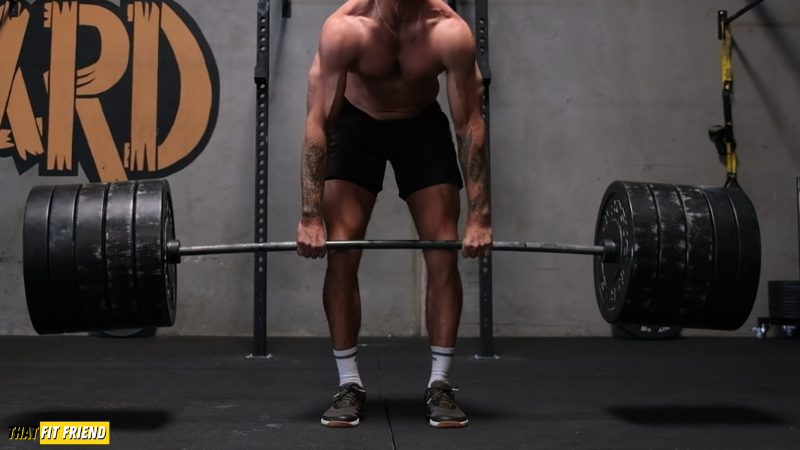
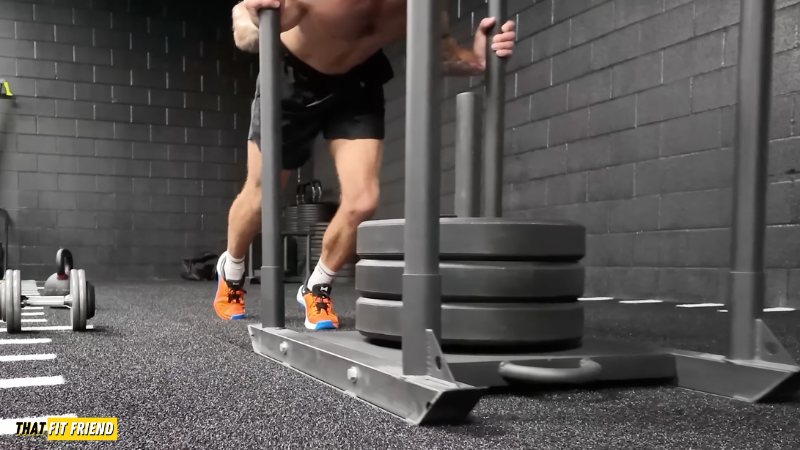
I’ve lifted up to 500 lbs in both shoes with no stability issues.
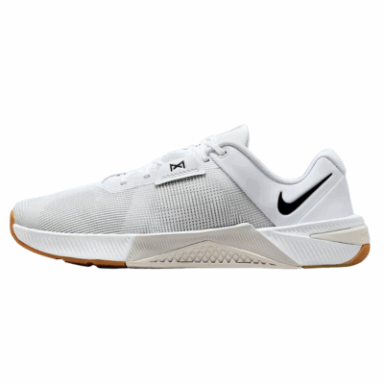
Nike Metcon 10

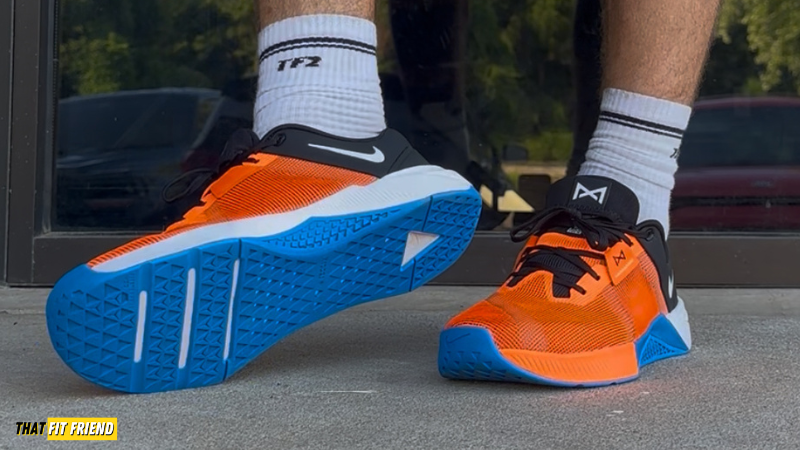
Forged & Tested Catalyst
Fit & Sizing
About My Feet: I have a normal arch/instep and my feet come in at an E/EE width. The length of my left and right foot are consistent with one another, and I size as a true US 10 for most companies’ sizing charts.
Narrow Foot (<D width) Suggestions:
- Forged & Tested Catalyst: True to size.
- Nike Metcon 10: True to size.
Medium (D width) Foot Suggestions:
- Forged & Tested Catalyst: True to size.
- Nike Metcon 10: True to size.
Wide (E/EE, 3E, 4E widths) Foot Suggestions:
- Forged & Tested Catalyst: True to size.
- Nike Metcon 10: True to size. 3E+ may want to pass.


The fit between the Metcon 10 and the Catalyst will be DRASTICALLY different. This isn’t a bad thing by any means; if anything, it’s a strength to help better direct you towards which model will fit your individual anatomical needs better.
The Catalyst is a wider training shoe that can work for up to 4E foot widths. I tuned the upper and midfoot to provide adequate lockdown for narrow and medium-width feet, too, so it can work for a wide range of feet. If you prioritize toe splay and having adequate toe box room, the Catalyst will feel better for your feet.
There’s less arch support in the Catalyst and that’s by design. I didn’t want this shoe to feel overly supportive or blocky, and this has made it a more viable option for flatter feet who don’t love a ton of medial midfoot support. There are no half-sizes in the Catalyst and if you’re in between sizes, you’ll want to size up.

The Metcon 10 offers a much more “traditional” feel on the feet with its sizing and fit. If you loved the more old-school fitting Nike that felt like track shoes, then you’ll likely resonate with the Metcon 10’s feel on the feet. Its heel is a little lower and its upper has a more low-profile feel through the forefoot.
It also has more arch support, so if you traditionally like training shoes that give you a more blocky medial midfoot, then you’ll appreciate this with the 10. They don’t size incredibly wide, so if you have a 3E+ foot width, then you may want to pass on them. I’m worried that if you size up a half-size, then you’ll run into heel slip issues due to the lower profile feel in these.
Forged & Tested Catalyst
$125
Pros
- Great for Minimalist Lovers
- Grippy Outsole
- Lightweight and Flexible
Cons
- Pass If You Want Ample Arch Support
- Not the Best for Longer Runs
Best For
- Lifting
- Cross-Training
- Wide Feet
- Minimalist Lovers
- Sprints/Short Runs (<1k meters)
Specs
| Heel-to-Toe Drop | 3mm |
| Weight | 11 oz (size 10) |
| Width | Wide |
| Lifting Threshold | ~505 lbs |
| Run Distance Threshold | <1k meters (at one time) |
Construction Details
The construction of the Nike Metcon 10 and the Forged & Tested Catalyst highlights two very different design philosophies. Nike prioritizes a structured, athletic feel with specialized components for CrossFit, while the Catalyst focuses on a minimalist, anatomical approach meant to move with the foot.
Upper Differenes
The Nike Metcon 10 features a low-profile athletic mesh designed for a snug, “cleat-like” lockdown. A key update in this version is the removal of the bulky rubber rope guards seen on the Metcon 9, which has significantly improved breathability and reduced weight. It also includes a specialized lace-tuck feature on the tongue to keep laces secure during high-movement activities. The overall volume is lower, favoring those who prefer a secure and responsive wrap around the foot.


In contrast, the Forged & Tested Catalyst utilizes a layered chainlink mesh designed to feel almost sock-like. This mesh is reinforced with a haptic overlay that is printed 11 times to ensure maximum durability without sacrificing flexibility. The Catalyst features an anatomical wide toe box and an upper construction that provides lockdown for narrow feet while allowing wide feet (up to 4E) to splay naturally. Additionally, the boot is composed of reinforced suede and mesh, specifically tuned to allow the wearer to slip the shoe on easily without collapsing the heel.
Midsole Differences
Nike has shifted back to a full-length React foam midsole for the Metcon 10, moving away from the dual-density foam used in the previous model. This provides a more responsive and pliable feel for jumping and shorter runs, though it remains firmly on the stable end of the spectrum. The defining feature remains the Hyperlift plate in the heel—a TPU insert designed to provide a rigid, non-compressible base for heavy squats and Olympic lifting. In the 10, this plate has been reworked to sit just under the heel, allowing for more foam forgiveness during heel-striking movements.
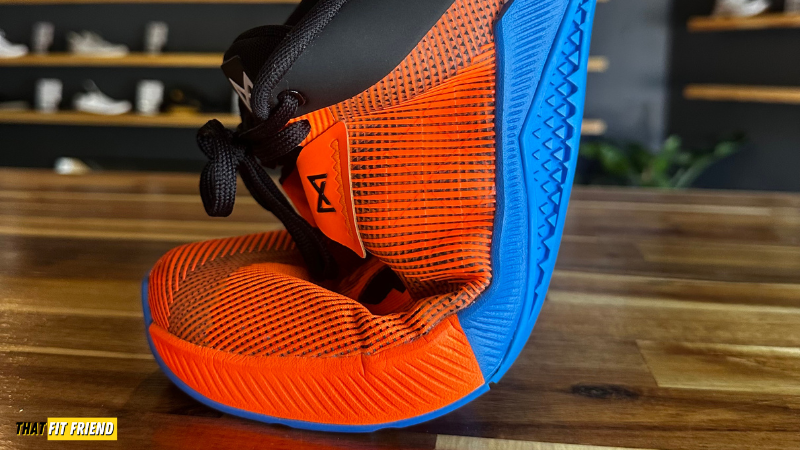

The Catalyst employs a custom-tuned “FlexCore” midsole, which took over 15 months to perfect. It is designed to offer a balance of bounce and comfort despite its very low stack height (15mm in the forefoot and 18mm in the heel). Because it lacks a rigid plastic plate, the midsole is hyper-flexible, allowing the foot to move naturally and engage the big toe during heavy lifts. It provides a “transitional” experience—offering more protection than a true barefoot shoe while maintaining a minimalist 3mm drop.
Outsole Differences
The outsole of the Metcon 10 is built for “bite” on traditional gym surfaces. It features a lugged rubber pattern that provides aggressive traction on rubber floors, wooden platforms, and machine surfaces. While the large medial rope wraps from the Metcon 9 are gone, the Metcon 10 still features extended outsole wraps that provide grip for rope climbs without the added bulk.
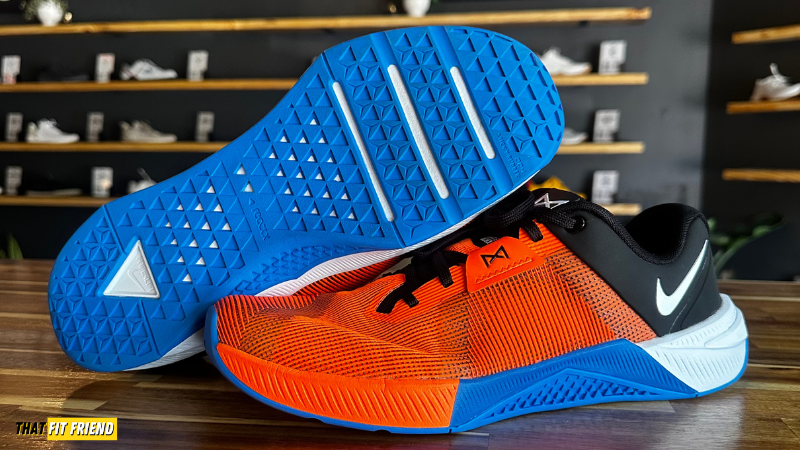

The Catalyst takes inspiration from basketball and court shoes, utilizing a herringbone tread pattern with 1.45mm deep lugs. The rubber compound is tuned to be softer than the Metcon’s, maximizing grip on slicker surfaces and providing a very “sticky” feel. The outsole also features a wide, flat base to enhance ground feel, making it particularly effective for athletes who want to feel more connected to the floor during deadlifts and heavy pulls.
Nike Metcon 10
$155
Pros
- Stable for lifting
- Athletic feeling upper
- Good for arch support lovers
Cons
- Not flat feet friendly
- Still lacks versatility
- Upper volume is hit or miss
Best For
- Lifting
- CrossFit
- Cross-Training
- Arch Support Lovers
- Low Volume Feet
Specs
| Heel-to-Toe Drop | 4mm |
| Weight | 11.80 oz (size 10) |
| Width | Medium/Wide |
| Lifting Threshold | ~455 lbs |
| Run Distance Threshold | <1,200 at one time |
Final Remarks: Which Is Best for You?
The Nike Metcon 10 can be a fantastic choice for diehard Nike fans who love that classic cleat-like fit some of their training shoes deliver.
If you like a little more support and want a shoe with a more rugged built-out upper, then the Metcon 10 will be a good choice for lifting and CrossFit.
For my wider footed friends who prioritize flexibility, toe splay room, and a lighter feeling shoe, then the Catalyst can be an awesome option.
To be fair, on the spectrum of training shoes, the Metcon 10 and Catalyst couldn’t be further apart on where they land and how they fit.
As much as I’d love to sit here and tell everyone to give the Catalyst a try, the Metcon 10 can make a lot of sense for certain lifters and athletes — and there are some lifters and athletes who won’t resonate with the Catalyst’s fit and feel.
If you did want to try both, I think they can both live in tandem with one another. The Catalyst can help cover areas like training the feet and ankles more than the Metcon 10 can’t, vice versa.
If you additional questions on the Metcon 10 and Catalyst, drop a comment below.


Nick
Love the write up! Have been wanting to pick up a pair of the Catalysts to try them out. When will they be back in stock? Also, I saw some comments about new colors with some slight tweaks / new features – any ideas about timing for those?
Maui and the OG white/black/gum will be back next week.
Black/gum, white gum, cool grey/gum will come likely in July.
New tweaks are still TBD with no timeline — I’m going to keep the shoe as is for now because the feedback has been overall really strong & positive. Plus, I’ve been loving them myself and don’t want to break what isn’t broken.
I’ll keep tinkering with tiny things, though, and I plan to bring in a separate 3.5mm insole that folks can buy if they want something a little thicker and not as minimalist (current sits at 2/2.5mm).