


That Fit Friend is reader-supported and may earn commissions through affiliate links. We also work with select brands on paid editorial partnerships. These relationships do not influence our testing methodology, product ratings, or recommendations. Read more here!
When Adidas released the Dropset 4, I was excited to get my hands on it. The Dropset 2 and 3 were some of my favorite training shoes to lift in. The Dropset 4 had seemed to improve on a lot of what held the 2 and 3 back.
Nike, on the other hand, released the Metcon 10 last summer and it was a marked improvement over the previous few iterations. The Metcon line had taken a few steps back with the 8 and 9.
The Metcon 10 was a giant leap forward for the line, improving the stability and versatility of the shoe. The heel can be still be a problem, though, it’s still rather heavy and clunky thanks to the TPU inserts in the heel and under the midfoot.
Both the Dropset 4 and the Metcon 10 have been out for a while now. I was curious how they stacked up against each other.

Performance Quick Hits
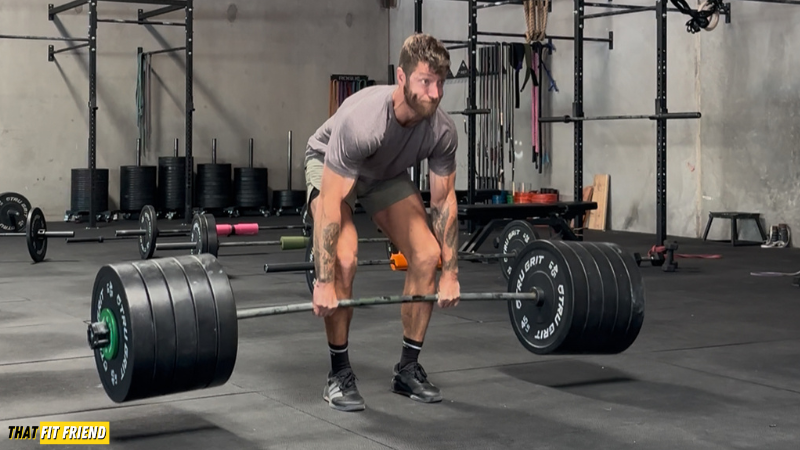
- Better for Lifting: The Metcon 10’s TPU plate provides a more stable lifting platform, and if you want a s shoe solely for lifting, it can be fine, but it lacks the versatility of the Dropset 4. The Dropset 4 has Adidas’s Repetitor foam midsole and energy rods that run from the midfoot through the forefoot. Both of those give the Dropset 4 the edge when it comes to versatility in the gym.
- Better for CrossFit: Tie. It depends on your gym’s CrossFit programming. If your programming skews is more versatile with running and plyometrics, the Dropset 4 is the move with its more forgiving heel construction and higher heel-to-toe drop. If your gym leans more strength and power, the Metcon 10 is more stable and planted through lifts.

- Better for Cross-Training: Adidas Dropset 4. Comparatively speaking, the Metcon 10 is a little too rigid and clunky for quick side-to-side work and broad jumps if that’s what do you a ton of in the gym. They can work for that training, but they’re not a go-to for my athletic-focused friends. The Dropset 4 wins thanks to its pliability, power transfer, and rebound.
- Better for Short Runs: Adidas Dropset 4. Neither of these are going to be suited for anything longer than 1000+ meters. The Dropset 4 barely wins here, and it’s not because of what it does well. The Metcon is too heavy and the heel is too awkward to run in. Both hoes will get the job done if your workout calls for 800 meter or shorter sprints, but anything beyond that is a no-go.
- Better for Daily Wear: Tie. Neither of these are great options for daily wear if you want a single shoe for literally everything. The Metcon 10’s heel and rigidity kill its all-day comfort. The Dropset 4 is too narrow to be comfortable for hours. Both of them have a very pronounced and aggressive midfoot arch.
- Better for Your Wallet: Adidas Dropset 4. Adidas wins this one, barely. The Dropset 4 retails at $145 and the Metcon 10 retails at $155. If you’re shopping on a budget, look for colorways to go on sale for a good deal. Otherwise, price shouldn’t be the deciding factor between these two.
Nike Metcon 10
Adidas Dropset 4
Fit & Sizing Differences
About My Feet: I have a normal arch/instep and my feet come in at an E/EE width. The length of my left and right foot are consistent with one another, and I size as a true US 10 for most companies’ sizing charts.
Narrow, Medium, and E/EE Foot Suggestions:
- Metcon 10: True to size.
- Dropset 4: True to size.
3E+ Foot Suggestions:
- Metcon 10: Pass on these.
- Dropset 4: Pass on these.
I recommend sizing these like you do your other shoes from Nike, Adidas, or Reebok. They fit true to size for most athletes. If your foot width is on the upper end of the 2E spectrum or wider, I’d recommend sizing up a half size.
Both shoes have a pretty aggressive arch and midfoot taper, so if you have a flatter foot, tread lightly. You can try removing the insole for a bit more room, but keep them clean in case they don’t fit and you need to return them.


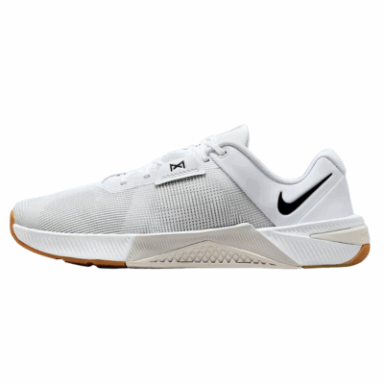
The Metcon 10 is wider through the forefoot and toebox. The midfoot taper is accentuated by the stiff rubber rope guards on either side. It also has a very low-profile upper, so if you have a thicker instep or blockier foot, it’s going to feel snug. If you rely on custom orthotics, you may want to pass. Even removing the insole may not give you the upper volume needed to be comfortable.
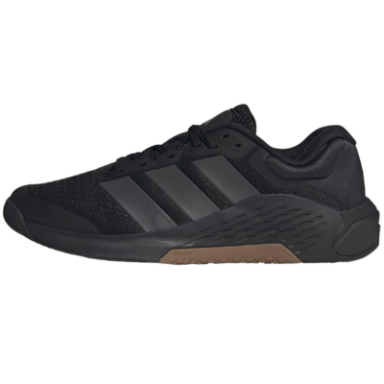
The Dropset 4 is narrower than the Metcon 10. I have an E/EE foot width and my pinky toe was spilling over the side even standing still. The upper volume is there and the removable insole helps give it more room if you wear custom orthotics. It also has a pretty aggressive midfoot taper and arch. Length-wise though, it’s spot on. I had the perfect amount of room, about a thumb’s width, at the end of my toes.
Performance Analysis
Lifting: Metcon Is “Better” But I Prefer Dropset
I give the Dropset 4 the edge here, but it’s a lot closer to a tie. Both of these shoes can do a great job for the general lifter that wants a stable shoe for strength and hypertrophy work.
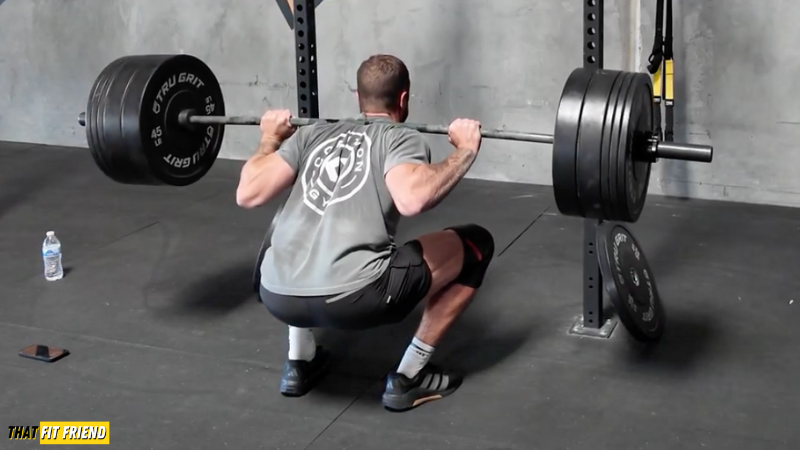
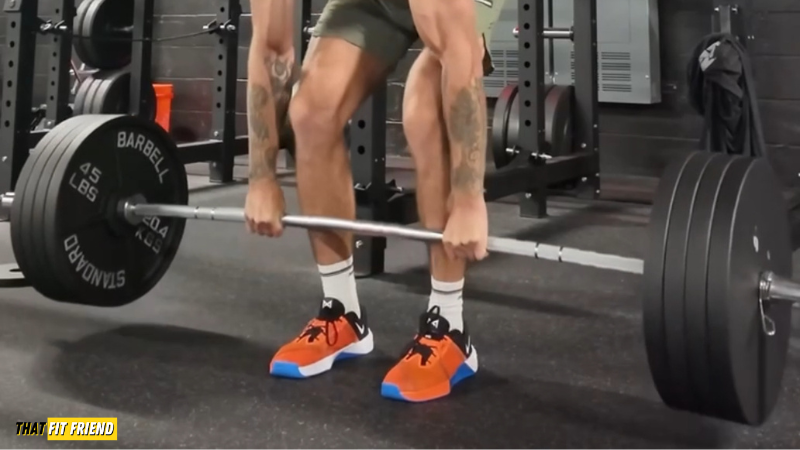
If you’re looking for max stability, a shoe that is going to feel planted and solid under a heavy load, the Metcon 10 is what you’re looking for. The dual-density ReactX midsole gives the Metcon 10 a denser feel in the heel and a softer, more pliable forefoot. The heel is reinforced with a TPU insert, and the midfoot features a TPU plate built into the midsole.
The Dropset 4 is a more versatile shoe. The energy rods that run through the midsole help give the Dropset 4 some extra oomph in power moves and stiffen up the midfoot. It’s not quite as stable as the Metcon 10, but it’ll get the job done for medium-to-heavy barbell work. It also has a higher heel-to-toe drop than the Metcon 10, making it a great option for squats and wall-balls.
Nike Metcon 10
$155
Pros
- Stable for lifting
- Athletic feeling upper
- Good for arch support lovers
Cons
- Not flat feet friendly
- Still lacks versatility
- Upper volume is hit or miss
Best For
- Lifting
- CrossFit
- Cross-Training
- Arch Support Lovers
- Low Volume Feet
Specs
| Heel-to-Toe Drop | 4mm |
| Weight | 11.80 oz (size 10) |
| Width | Medium/Wide |
| Lifting Threshold | ~455 lbs |
| Run Distance Threshold | <1,200 at one time |
CrossFit: For the First Time, Dropset Takes the Edge
This one really comes down to your gym’s specific programming. Both the Dropset 4 and the Metcon 10 are going to be just fine when it comes to CrossFit.


If your gym tends to program with more versatility, think short runs, jumps, and burpees, the Dropset 4 is the move. The energy rods in the midfoot give it incredible power transfer. That makes moves like broad jumps, box jumps, and sprints smooth. The heel construction is more forgiving as well and won’t act like an anchor when you try to get moving.
On the other hand, if your gym leans more towards strength and power movements, the Metcon 10 wins. It’s built for those kinds of environments and workouts. The TPU insert in the heel helps protect it during wall walks. The TPU plate in the midsole helps you feel planted and stable through cleans and snatches. It’s simply the better power-focused shoe.
Adidas Dropset 4
$145
Pros
- Stable, yet responsive
- Good outsole grip
- Overall strong durability
Cons
- Narrow(ish) toe box
- Longevity of heel structure is so-so
- Tongue can be a little rigid
Best For
- Cross-Training
- Lifting
- CrossFit WODs
- Athletic Workouts
Specs
| Heel-to-Toe Drop | 6mm |
| Weight | 10.90 oz (size 10) |
| Width | Medium |
| Lifting Threshold | ~500 lbs |
| Run Distance Threshold | <1 mile at one time |
ALTERNATIVES
Cross-Training: Dropset 4 All Day
When it comes to cross-training, versatility and pliability are the most important. The Metcon 10 doesn’t really have either. The heel on the Metcon 10 kills any deceleration and power transfer through broad jumps and quick athletic-style cuts.


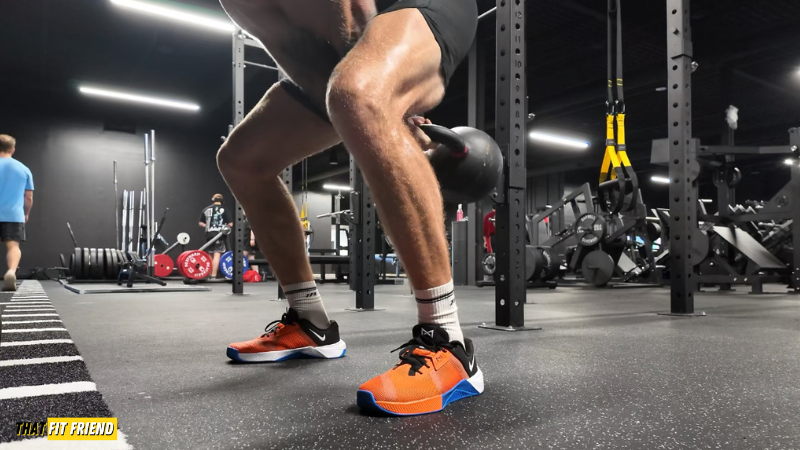
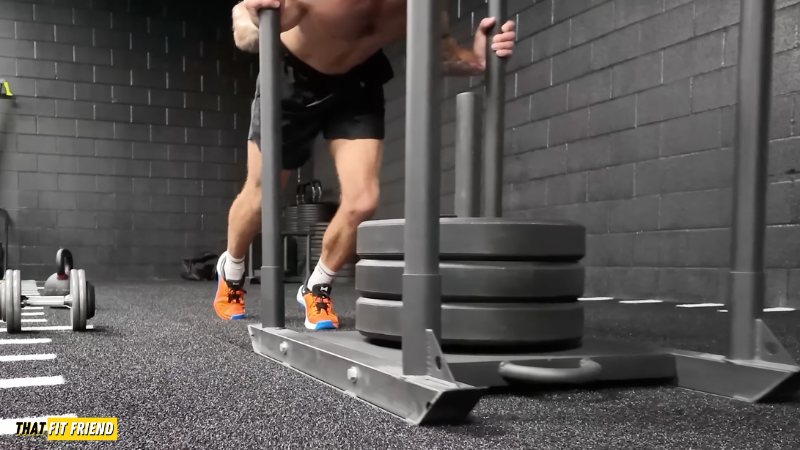
The Dropset 4 wins this one pretty handily. The energy rods and the Repetitor foam midsole give the Dropset 4 a great balance of pliability and stability that lends to power transfer. Instead of killing deceleration on jumps, it returns that force giving you the power needed to rebound and get back up.
Short Runs and Walking: Dropset By a Narrow Margin
Both of these shoes are going to be fine for shorter runs of 800 meters or less, especially if you’re a forefoot striker. Neither one should be taken out for a longer run (1000+ meters). If you have to, the Dropset 4 can work in a pinch.
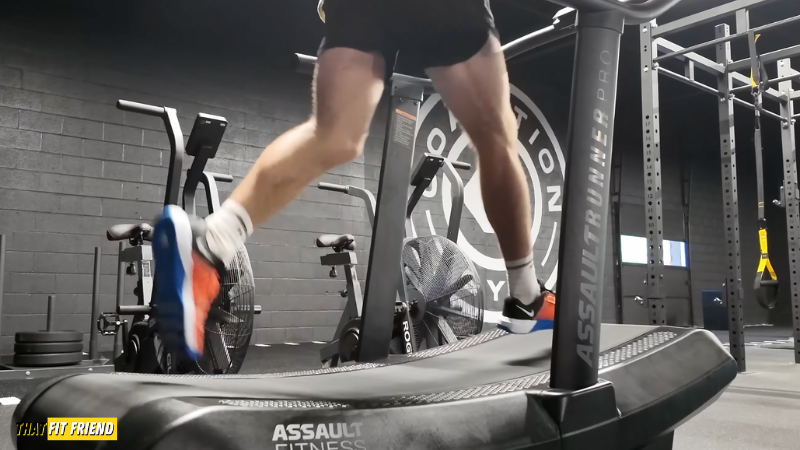
Just like how neither of these shoes is really suited for running, I’m not reaching for either one for daily wear. First off, the arch in both of them is very off-putting. The Metcon 10 is too stiff and rigid and the heel is too heavy to lug around all day. The Dropset 4 is more comfortable in the short term, but it’s too narrow to be comfortable for hours at a time.
Construction Details
Midsole Comparison
- Similarities: Both shoes feature a full foam midsole paired with a thin removable insole.


- Differences: The Metcon 10 features Nike’s ReactX dual-density foam midsole. It is more dense at the heel and softer, more pliable at the forefoot. There is a TPU layer built into the midsole that inserts into the midfoot for added stability. It helps maintain a planted feel under heavy load but sacrifices comfort and flexibility.
- The Dropset 4 has Adidas’s Repetitor foam midsole, a medium density foam that runs the length of the shoe. There are TPU energy rods built into the midsole that run from the midfoot and branch out into the forefoot. Those help with power transfer through the foot and add a nice touch of stability and stiffness.
Outsole Comparison
- Similarities: Both shoes have a full rubber outsole with tremendous amounts of grip.


- Differences: The Metcon 10’s outsole is made up of a triangular lug pattern with breaks in the forefoot for some added flexibility and mobility. There is a cutout in the heel showing the Hyperlift TPU plate that is built into the midsole. The outsole wraps up both the medial and lateral sides of the shoe, acting as a rope guard and accentuating the midfoot taper and arch.
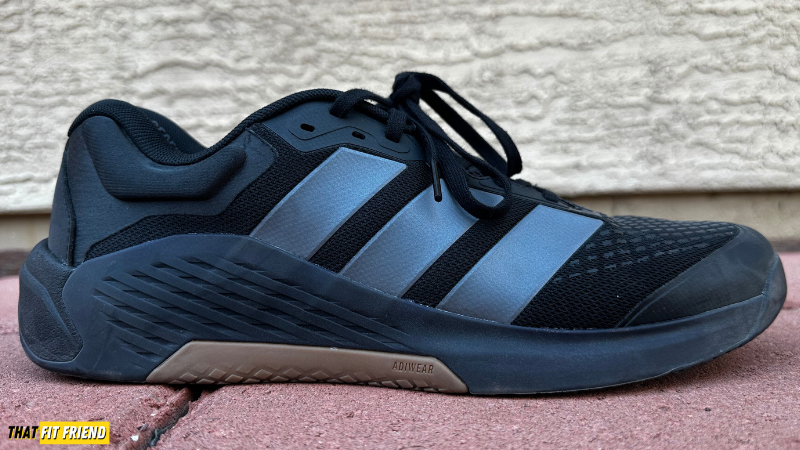
- The Dropset 4 features a dual-rubber outsole. The forefoot and heel are made with Continental rubber, a softer, more pliable rubber that grips incredibly well. The midfoot features Adidas’s Adiwear rubber. It is a stiffer rubber and it extends up the medial and lateral sides of the shoe for some extra protection on rope climbs. There is a cutout in the heel allowing the midsole foam to show through.
Upper Comparison
- Similarities: Both shoes feature a mesh upper with haptic overlays and a padded mesh boot.


- Differences: The Metcon 10’s upper is reinforced with haptic overlays throughout the midfoot and forefoot. It has a low-profile padded mesh boot that is reinforced with a TPU wrap. There are 5 core eyelets running up the midfoot with an aggressive 3rd eyelet. The 3rd eyelet is a very hit or miss feature. I am not a fan of how it affects the fit of the shoe through the midfoot. Overall, the Metcon 10’s mesh upper and low-profile give it a very sock-like fit.
- The Dropset 4 also has a mesh upper with haptic overlays on the forefoot and midfoot. It is reinforced through the midfoot with a thick 3-Stripe logo. It also has a TPU layer over the toe box for added protection. There are 5 core eyelets with an additional two adjustable eyelets at the top. The padded mesh tongue is gusseted. The boot is a padded mesh but it is very flimsy. Be careful if you prefer to slide your shoes on, you’ll have to grab the heel and pull it on or it will collapse and wear down quickly.
Final Thoughts: Which Should You Buy?
Nike and Adidas both have solid shoes, and you honestly can’t go wrong with either one. IT comes down to how you plan on using them.
Both the Metcon 10 and Dropset 4 are big steps forward for two of the biggest brands in the training shoe world.
If you’re looking for an overly stable shoe that is primed and ready for heavy lifting, go with the Metcon 10.
If you’re looking for something that is more pliable and versatile, pick up the Dropset 4.
Their construction limit their versatility outside of the gym and they’re not going to fit every foot comfortably. The good news is that there are thousands of options out there to choose from if neither of these work for you.
Drop me a line and I can help point you in the right direction for a shoe that fits your training style and foot anatomy.



Add a Comment