

That Fit Friend is reader-supported and may earn commissions through affiliate links. We also work with select brands on paid editorial partnerships. These relationships do not influence our testing methodology, product ratings, or recommendations. Read more here!
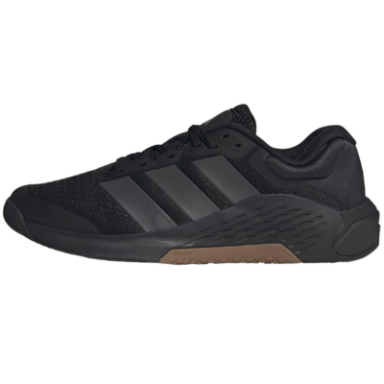
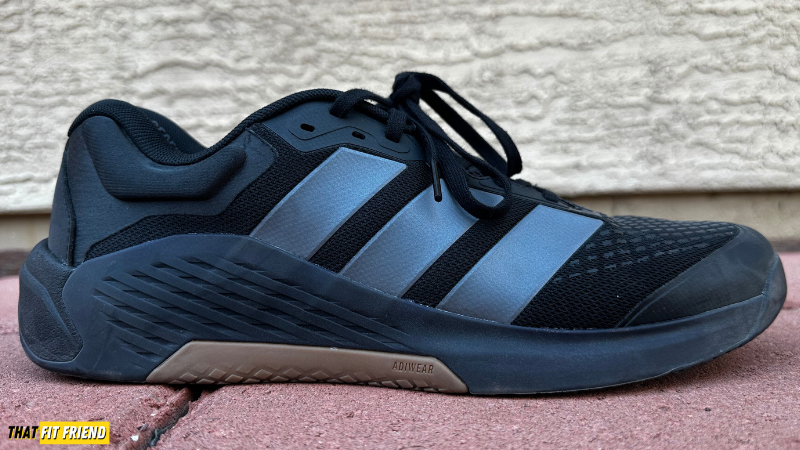
The Adidas Dropset 4 has been a super fun shoe to not only review, but also compare to other models. This iteration has been completely reworked from the Adidas Dropset 3, and in my opinion, that’s a good thing overall and I’ll explain why below.
In terms of similar competitors, the Dropset 4 has added a new layer of versatility, making it comparable to models like the Nike Metcon 10 and TYR CXT-2 Trainer. The new Dropset shoe is no longer a model that’s isolated to just being stellar for lifting.
For my Dropset 2 and 3 diehard lovers, I know, the reworking of this shoe may be a turnoff, especially if you LOVED the heel of those models. If this is you, my advice is to stock up on the 2s and 3s while they’re on heavy discount.
And for the record, I still think the 4 is worth a try for my folks who adore the 2 and 3. Just go into them with an open mind and keep them fresh in the event they’re a no-go and you need to return. All that said, it’s time to get into the nitty-gritty of the Dropset 4.
Adidas Dropset 4
$145
Pros
- Stable, yet responsive
- Good outsole grip
- Overall strong durability
Cons
- Narrow(ish) toe box
- Longevity of heel structure is so-so
- Tongue can be a little rigid
Best For
- Cross-Training
- Lifting
- CrossFit WODs
- Athletic Workouts
Specs
| Heel-to-Toe Drop | 6mm |
| Weight | 10.90 oz (size 10) |
| Width | Medium |
| Lifting Threshold | ~500 lbs |
| Run Distance Threshold | <1 mile at one time |
ALTERNATIVES
Who Should Buy the Dropset 4?
- You enjoyed the Dropset 2 and 3, but always wished they had a little more versatility for jumping, cross-training, and short runs. The Dropset 4 feels like a blend of the Dropset Control, original Dropset, and Dropset 3, in all the right ways.
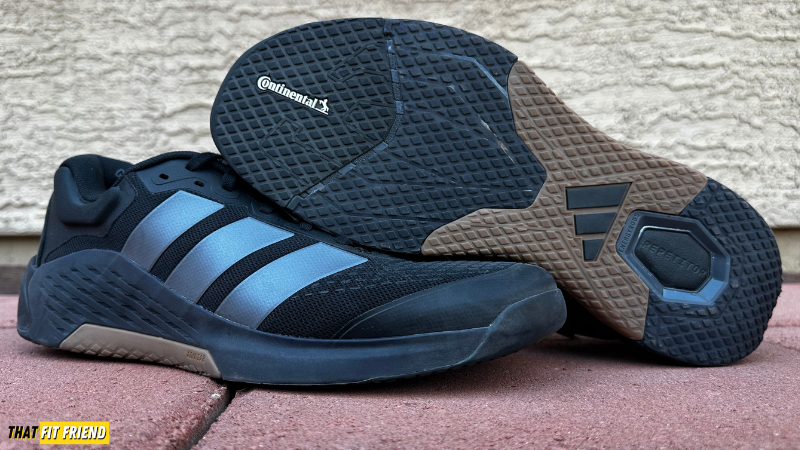
- You like a stable platform and enjoy a little arch support. The Repetitor Foam midsole and outsole construction in the Dropset 4 delivers a nice “platform-y” type feel when lifting. This shoe also has a light degree of arch support if you like having some when training.
- You want a shoe for lifting, CrossFit, and cross-training. If the Dropset 4 fits your foot anatomy, it’s tough to fault its performance in the gym. It’s a strong option for anyone who likes to lift, cross-train (think athletic-type workouts), and do CrossFit WODs.
Who Shouldn’t Buy the Dropset 4?
- Wide feet, you’ve been warned. Adidas made an interesting move with the Dropset 4, and that move entails narrowing the toe box a considerable amount. If you have wider feet and prefer more square toe boxes, you’ll want to pass on the Dropset 4 and opt for a wider training shoe.
- You do a lot of HIIT workouts and need more bounce. While the Dropset 4 is more versatile than its predecessors, it won’t be your best option if you’re primarily taking classes, running, and doing HIIT. For that ask, if we’re talking Adidas shoes, go with something like the RapidMove ADV 2.
- You like a flatter midfoot and want more flexibility. If you have flat feet and can’t stand having any form of arch press into the midfoot and like a bit more flexibility, you’ll want to look into flatter and more flexible options like the Born Primitive Savage 1 and Flux Adapt Graphene Trainer.


Sizing and Fit Thoughts
About My Feet: I have a normal arch/instep and my feet come in at an E/EE width. The length of my left and right foot are consistent with one another, and I size as a true US 10 for most companies’ sizing charts.
Fit Breakdown:
- Narrow (<D) feet: True to size
- Medium (D) width: True to size
- E and EE: True to size. For 2E widths, you may want to consider going up a half-size to hedge your toe box bets.
- 3E+: Skip these
In the Dropset 4, I think most athletes and lifters should be safe going true to size. For example, if you currently wear Adidas, Nike, and Reebok, go with the same size that you wear in those shoes with the DS 4.


As for width, I think this model will cater best to those with narrow, medium, and slightly wider feet. I have an E/EE foot width, and I find these to be a little snug and notice it most when doing forefoot-heavy exercises like sled pushes and lunges. It’s not completely uncomfortable, but it’s certainly noticeable.
If you have a wider foot and you’re curious how to size these, do this test. In your current shoe, see how much space you have at the end of your toe box. If it’s less than half of a thumb’s width, go up a half-size to hedge your bets. If you have about a thumb’s width, go true to size to start and adjust from there. For 3E+ widths, I’d pass on these.
For flat feet, I’d tread lightly with these. Despite the arch getting reworked and being less aggressive in this model, I’m not convinced they’ll feel super comfortable for flat-footed friends. Keep them in clean condition if you decide to try them out, in case you need to return them.
Performance Assessment
Solid for Lifting: 9/10
I was interested to see how the Dropset 4 would compare to the lifting-focused Dropset 2 and 3. For context, I always discussed the 2 and 3 as being almost like weightlifting shoes with their stability and heel construction. They had a nice platform for power and strength movements, and excelled in exercises like squats, leg press, and hack squats.
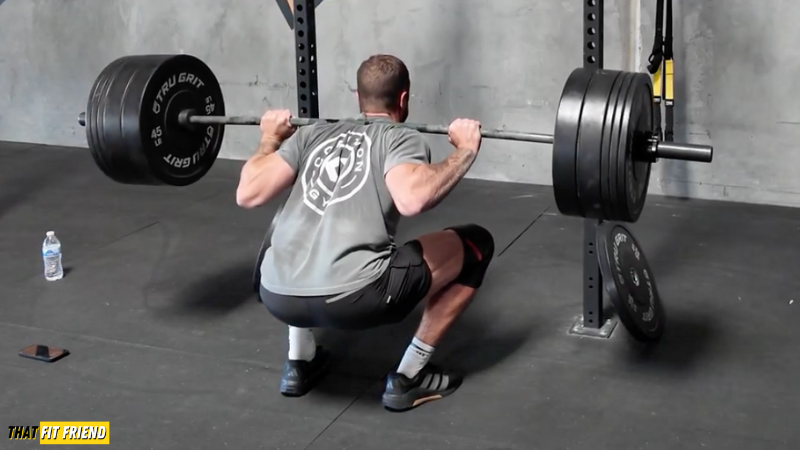

The Dropset 4 has held its own regarding stability. The Repetitor midsole is a little softer, but still does a good job with stability due to this shoe’s shape and outsole construction. The Energy Rods also give the forefoot a little more pop and contribute to the overall stable feel. The heel juts out slightly to assist with stability through the heel and the base of the midfoot and forefoot are relatively flat without a ton of rock which makes it easy to plant the feet when lifting.
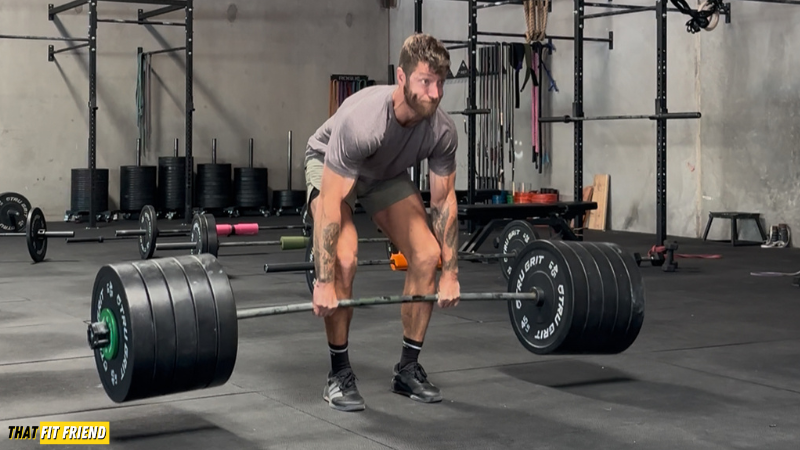
Thus far, I’ve deadlifted 500 lbs in my Dropset 4 and squatted north of 300 lbs without stability issues. You can tell they’re a little more versatile than the 2 and 3 and don’t have that same peak stability focus, but for most lifters and athletes, I think the stability of these for lifting will be A-okay. My only gripe with the 4’s construction for lifting is the narrower toe box. It’s tough to splay the toes in this model if you have wider feet.
Great for Cross-Training/CrossFit: 8.9/10
The Dropset 4 has finally come to the CrossFit and cross-training table. Don’t get me wrong, I know folks have used the prior models for these activities before and have enjoyed them, but they were always just a little too dense to be truly well-rounded for training that involved a lot of jumping, short runs, and change of direction exercises.
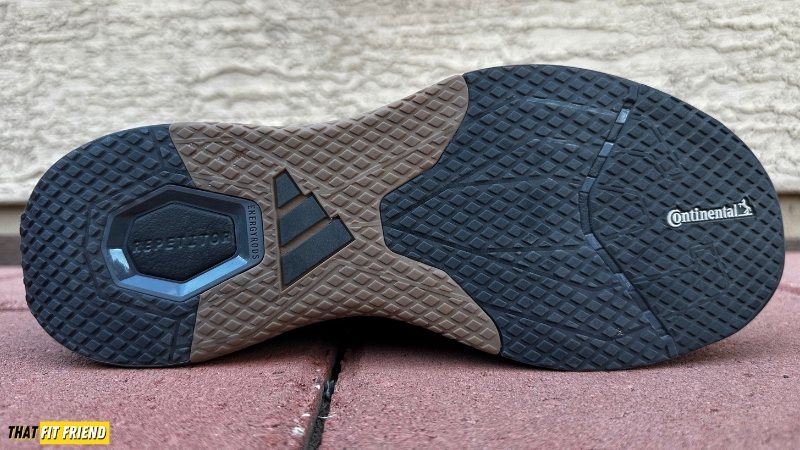
There are three reasons why I like these more for versatility compared to the 2 and 3 — and just in general. First, the outsole construction provides a nice blend of durability and grip. The forefoot and heel feature Continental rubber and the midfoot has Adiwear rubber (a denser rubber designed to be more durable). For cross-training and CrossFit, these have done a good job promoting grip on different surfaces and durability for CF.


Second, the reworked upper has done a good job with lockdown and durability thus far. Granted, as more time passes and we get more data, I’ll update this article accordingly, but as per my tests, this shoe has done a good job. The overlays and reworked medial and lateral sidewalls have helped get rid of some of this shoe’s bulk while keeping security relatively high.
Third and lastly, the midsole construction gives this shoe a little more forgiveness and bounce. I purposely tested this shoe for movements like broad jumps to test its heel and it’s a lot better. It no longer feels like a cinderblock and is much more accommodating for explosive movements, sprints, and lateral work where you’re going to be doing fast deceleration and acceleration.
So-So for Short Runs/Walking: 7/10
For workouts that involve short runs ranging from 400-1,000 meters, you should be okay in the Dropset 4. They’re not completely unbearable to run in like the Dropset 3 and Nike Metcon 9 were. The reworked Repetitor midsole and slight heel bevel help with this.
Thus far, I’ve used them for workouts with that distance range and on the curved treadmill and they’ve gotten the job done. Would they be my first pick for hybrid workouts? Absolutely not, but for the athlete needing them to hold their own for short jaunts and for the occasional sprint session, they’re not too bad.

For daily wear and high-volume walking, I didn’t test this shoe past one full day of wear. The narrower toe box and stiffer midfoot are dealbreakers for me when it comes to all-day wear. If you like more structure and have a narrower foot, then you may feel at home with these, but they would not be my first pick for something like traveling, where you need one shoe to bring that can work for walking and standing all day, with workouts sprinkled in throughout the trip. Not a dealbreaker by any means, just something to note.
Final Thoughts: Would I Buy Again?
From a pure performance point of view, I would. From a fit and comfort standpoint, I’m hit or miss.
The Dropset 4 has been exceptional in the gym and I’ve been happy with their performance for my cross-training and lifting. They’re noticeably more versatile and have yet to give me any concerns with their long-term durability.
I’m hoping my pair lasts a while because the toe box is a turnoff for me and with more comfortable pairs on the market for my foot width, I don’t know if I’m necessarily rushing to buy another one of these. If your foot anatomy works with them, then don’t concern yourself with this comment.
If you have additional questions on the Dropset 4, drop a comment below!


Rana
Which is better, the Adidas Adizero Dropset, the Adidas Dropset 4, or Rapidmove Pro for weight training and short runs? and maybe for jump training to sometimes
Dropset 4 if you’re lifting more than 225 lbs regularly and the runs are 1k and down.
Adizero Dropset if you’re wanting something that’s a little more running focused and light strength work
Rapidmove Pro if you want something mostly for classes.
Ryan
For someone who’s using these primarily for plyometric work, lots of jump training and lifting is secondary would you go with these, the Nano X5 or Retcon 10?
Nano X5, Dropset 4, then Metcon 10 in that order!