

That Fit Friend is reader-supported and may earn commissions through affiliate links. We also work with select brands on paid editorial partnerships. These relationships do not influence our testing methodology, product ratings, or recommendations. Read more here!
More and more I’m seeing Crossfit athletes move away from the big name brands that have dominated the space for years. Sure, there’s still plenty of Nike Metcons and Reebok Nanos in boxes everywhere you go.
Two of the shoes that are popping up more frequently and being used by some of the biggest names in the space are the TYR CXT 3 Trainer and the RAD ONE V2. These shoes are gaining so much traction (likely due to their full rubber outsoles, see what I did there?) that they’re making their way out of the boxes and into the larger world of training.
From lifting to cross-training, short runs to daily wear, the CXT 3 and RAD ONE are growing into solid contenders. But how do they stack up against each other?
For the most part, these shoes are incredibly similar and you won’t be disappointed with either one (in most cases). Diving a bit deeper and it ultimately comes down to your preferred training methodology and your specific foot anatomy.

Performance Quick Hits
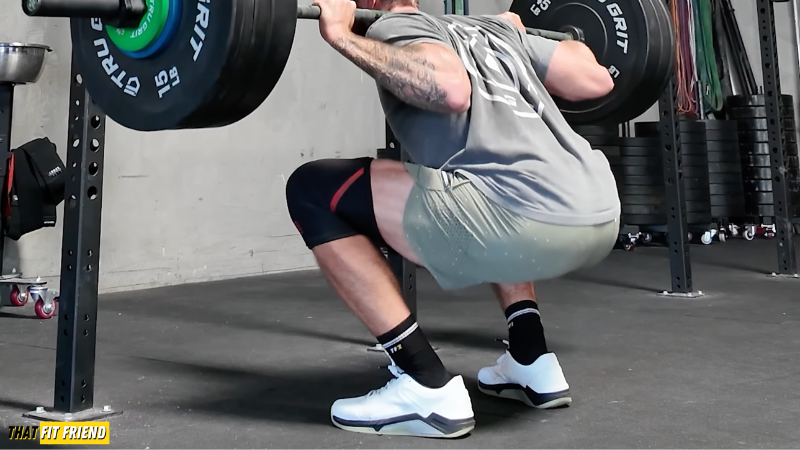
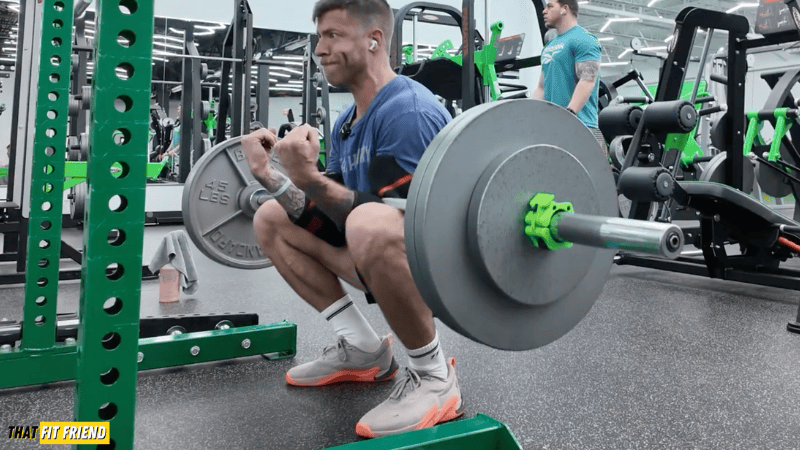
- Better for Lifting: They’re pretty dang equal when it comes to general strength and lifting work. They both feature a medium-density foam midsole that gives just the right amount of comfort while maximizing stability. Both shoes will work just fine for deadlifts at 500+ lbs and squats over 400 lbs. Winner: Tie.
- Better for CrossFit & Cross-Training: The edge here goes to the RAD ONE V2. Both shoes can work, and I’ve seen a lot of athletes excel in both. The RAD ONE V2 is just more forgiving for CrossFit compared to the TYR. It’s a bit softer and the upper materials are more comfortable. Winner: RAD.
- Better for Short Runs: Neither shoe is a stand out great option for running. They can both get the job done if you’re programming calls for shorter 400 or 800 meter intervals. Anything beyond that, I’d recommend finding something that’s tuned a bit more for running. Winner: Tie.
- Better for Daily Wear: This comes down to personal preference. I prefer the RAD One V2 because it’s more comfortable on my specific foot anatomy. The TYR is a bit too narrow and has a more aggressive taper than the RAD One V2. Winner: Tie.
If you stop reading this article right here, you can’t go wrong with either shoe. If you’re programming skews more Crossfit or Cross-Training, the RAD One V2 is the more forgiving and responsive option. Either shoe will be fine for lifting and daily wear, it comes down to your specific foot anatomy. Skip ahead to the Fit & Sizing section for more on that.
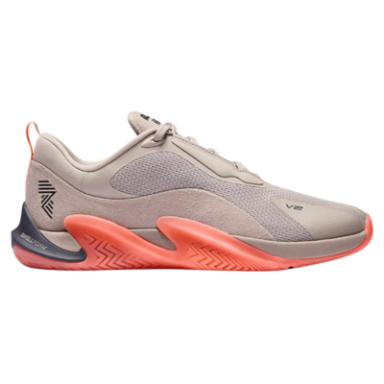
RAD ONE V2
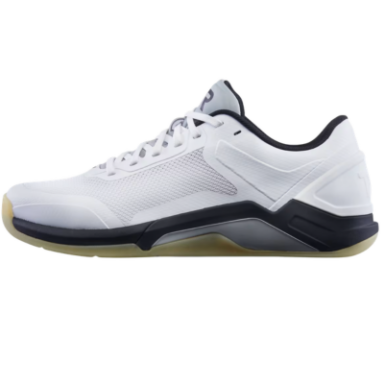
TYR CXT 3
Fit & Sizing
About My Feet: I have a normal arch/instep and my feet come in at an E/EE width. The length of my left and right foot are consistent with one another, and I size as a true US 10 for most companies’ sizing charts.

Narrow Foot (<D width) Suggestions:
- RAD One V2: True to size.
- TYR CXT 3 Trainer: Size down a half size.
Medium (D width) Foot Suggestions:
- RAD One V2: True to size.
- TYR CXT 3 Trainer: True to size.
Wide (E/EE+ width) Foot Suggestions:
- RAD One V2: True to size. 3E+ may want to pass.
- TYR CXT 3 Trainer: True to size. 3E+ may want to pass.

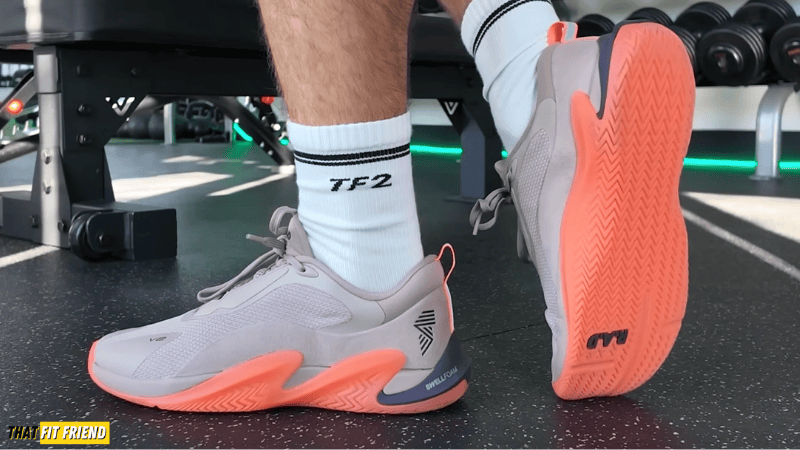
Length-wise, the RAD ONE V2 and the TYR CXT 3 are pretty similar with RAD running a tiny bit shorter. The RAD ONE V2 is slightly wider and has a less aggressive midfoot taper. The TYR CXT 3 also has a more aggressive arch, something to be aware of if you have a flatter foot. However, the RAD ONE V2 does have a bit of an arch, so if you don’t want any arch in your shoe, I’d suggest skipping both options.
In short, stay true to size for most foot anatomies. If you have narrower feet, size down a half size in the TYR CXT 3. And if you have flat or exceptionally wide feet, maybe skip both.
Performance Analysis
Lifting: Pretty Close Stability Levels
I mentioned this above in the Quick Hits, both of these shoes are pretty dang equal when it comes to lifting. The medium density midsoles provide a great level of stability and security. The TYR CXT 3 has a slightly denser heel which gives it more of a planted feel to it, rooting you into the ground when you’re doing heavy work on deadlifts or squats.
On the note of each shoe altering mechanics, if you need a little more heel for squats, squat cleans, snatches, and other lower body exercises, then you can’t go wrong with the CXT 3’s 9mm heel-to-toe drop. That’s a pretty high drop for a trainer and it’s very much an acquired taste.

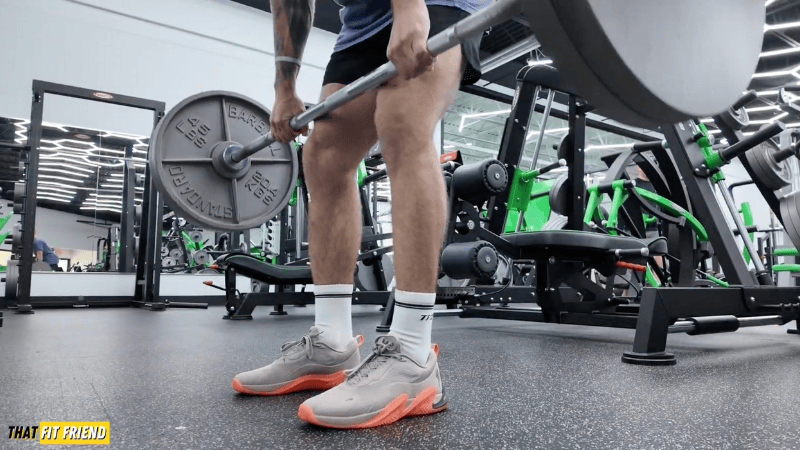
The RAD ONE V2 has a TPU strip buried under the midfoot for some additional stability and security. Even with that TPU strip, it’s a bit more agile and forgiving than the TYR CXT 3 when you want to start moving laterally or prioritize a more natural foot movement pattern.
You can’t go wrong with either shoe. Especially if you’re more of a generalist who does some medium-to-heavy strength work, a lot of machines, and dumbbell or kettlebell accessory work. The full rubber outsole on both models is incredibly grippy. There’s no concern with slippage on any surface in the gym.
TYR CXT-3 Trainer
$160
Pros
- Stable for Heavy Lifting
- Great for CrossFit
- Grippy Outsole
Cons
- Toe Box Can Feel Narrow
- Not the Best Running WODs
Best For
- Heavy Strength Sessions
- CrossFit
- Athletic Workouts (strength bias)
- Arch Support Lovers
Specs
| Heel-to-Toe Drop | 9mm |
| Weight | 13 oz (size 10) |
| Width | Narrow/Medium |
| Lifting Threshold | ~500 lbs |
| Run Distance Threshold | 1,000m (at one time) |
CrossFit and Cross-Training: RAD ONE V2 Has An Edge
This one is also a super close race, though the edge goes to the RAD One V2. It’s a more forgiving and nimble shoe. The wave pattern on the extended outsole gives the shoe more mobility and promotes natural foot movement patterns. The upper materials make the RAD ONE V2 a more comfortable shoe overall, even if they hinder its breathability.
The TYR CXT 3’s denser heel is significantly more noticeable when you start doing box jumps or double-unders. The RAD ONE V2 is softer and more responsive in both movements. If your WOD or programming calls for a lot of jumping and/or short runs, the denser heel in the TYR starts to feel heavy and fatiguing quickly.

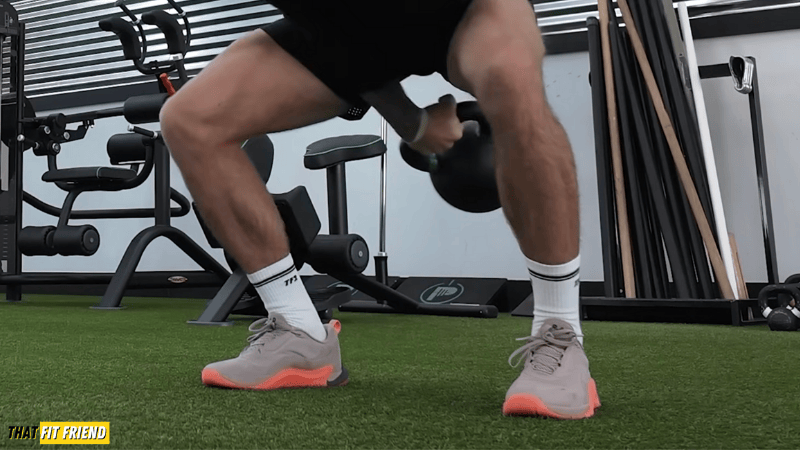
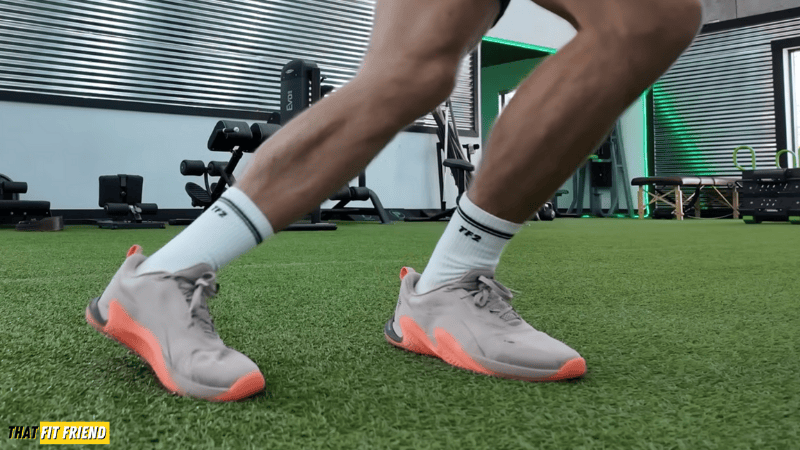
Both shoes are durable enough to withstand whatever you want to throw at them. I do want to do some more testing on the TYR though, especially with the TPU and lamination on the forefoot.
All that said, I’ve seen a lot of athletes wear and have success with both models in question here. Whichever one you go with, you won’t be disappointed.
RAD ONE V2
$150
Pros
- Well-rounded in the gym
- Comfortable midsole
- Good lifting performance
Cons
- Upper can run warm
- Wave design is hit or miss
Best For
- CrossFit (good do-it-all shoe)
- Lifting
- Cross-Training
- Streetstyle Lovers
Specs
| Heel-to-Toe Drop | 6mm |
| Weight | 13.25 oz |
| Width | Medium/Wide(r) |
| Lifting Threshold | ~535 lbs |
| Run Distance Threshold | <2 miles |
Short Runs: Both Are So-So
For short runs, I’m talking anything from 400 to 1000 meters. It doesn’t matter if those are intervals spaced throughout the workout or a warm up or cool down. Unfortunately, neither shoe is a good option for any of it. The TYR almost demands a forefoot strike due to the denser heel, but it still isn’t very forgiving. The RAD One V2 is a bit more forgiving with a forefoot or midfoot strike, but not by much. I’d avoid both of these if your programming is super run heavy.

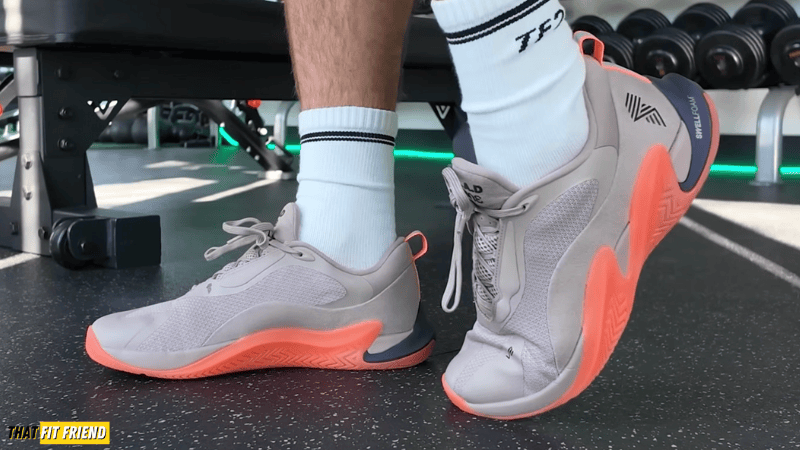
Daily Wear: RAD Is a Little More Comfortable
Honestly it’s a toss up here and, as with most things, will come down to your personal foot anatomy. With that said, take what I say here with a grain of salt because I’m filtering it through my own personal foot anatomy.
The RAD One V2 is a more comfortable ride overall. It’s wider through the midfoot and forefoot. It has a less aggressive arch and taper. The lower profile boot in the back doesn’t cause any rubbing on my heel or achilles. And the materials of its upper are more comfortable.
The TYR, for the right foot anatomy, is going to make a great daily wear shoe. Check the Sizing & Fit section for a bit more on how to size it for your feet.
Construction Details
Midsole
- Similarities
- Both shoes feature a medium density foam midsole that runs throughout the entirety of the shoe. They both give you a nice dense feel for lifting and a good amount of stability for more dynamic movements.


- Differences
- The One V2 features RAD’s swell foam midsole for a slightly softer and more forgiving ride. It’s softer in the forefoot for moves like box jumps or double-unders. The foam is protected with an extended outsole layer along the sides (RAD’s wave pattern) and a TPU layer around the heel.
- The CXT 3 features TYR’s Surge Foam Energy midsole for a denser heel that gives you a more planted and stable feel under heavier loads. The outsole does extend up a bit on the sides for protection, though it’s not as robust as the extended outsole on the RAD One V2.
Outsole
- Similarities
- Both shoes feature a full rubber outsole that extends from the forefoot through the heel. Both outsoles extend up the toe box for added protection and do a great job gripping whatever surface you find yourself on.

- Differences
- The RAD One V2’s herringbone tread extends up on the lateral and medial sides of the forefoot and midfoot. This gives it additional support in lateral movements and protection during rope climbs. The wave pattern on the sides and the breaks in the forefoot and midfoot add to it’s mobility helping promote a more natural foot movement pattern. It’s also a lighter feeling outsole than the TYR.
- The TYR CXT 3’s TYRTAC rubber outsole has additional breaks in the forefoot for flexibility and mobility. It extends up and overlays on the medial and lateral side for additional bite during lateral movements like sled drags or jumps.
Upper
- Similarities
- Both shoes feature a mesh upper with synthetic and TPU overlays throughout the midfoot and forefoot. They also both feature a gusseted padded mesh tongue.


- Differences
- The RAD One V2 has synthetic overlays on the toe box that stops and breaks at the lateral second toe in. It has TPU and synthetic overlays throughout the midfoot before transitioning to a suede overlay at the rear of the midfoot and wraps around the boot. It has 5 core eyelets that run up the midfoot. It’s a more built out upper that’s heavier and less breathable, though it’s comfort level makes up for the lack of breathability.
- The TYR CXT 3 also has it’s share of synthetic and TPU overlays that cover the heel, midfoot, and forefoot. The overlay on the toe box wraps all the way around it and breaks right at the bend at the back of the forefoot. I do have some concerns long term with its durability, the TPU could start peeling at that break point. It’s a lighter weight build that’s more breathable than the RAD One V2. The CXT 3 has 6 core eyelets and a 7th for lace lock.
Final Remarks: Which Should You Get?
There’s a reason both of these shoes are showing up more and more, not just in CrossFit boxes, but in big box gyms as well. They’re both solid shoes that perform where it matters.
You’re not taking either one out for a jog, but that’s not what they’re made for. They’re made to train in. They’re stable, comfortable, and dynamic when they need to be.
I keep coming back to the RAD One V2. It fits my foot really well and is a great shoe to train in.



Andreas Pettersson
I’m searching for shoes for plyos, heavy strength and some regular hypertrophy training.
I’ve ordered the Rad One V2 in my usual size US9. They feel pretty good but I’m worried that they are a bit narrow in the toebox. Just a little bit. I got a pretty wide forefoot.
Are the Inov8 F-Lite or the Max a bit wider? And are the sizing the same as these two?
F-Lite will be wider, but I’d size up a half-size!
Could also check out the Born Primitive Savage 1 and the shoe I built, the Forged & Tested Catalyst. Go true to size in those models if you try them!
Sarah C
Hello Jake,
Thank you so much for all these articles and going in depth, it’s super helpful. I’m currently looking for a CrossFit shoe. I have lifters (LuXiaoJun) which I used during lifting days but sometimes there are WODs with lifting and running so I can’t use my lifters nor my running shoes (On).
My current shoe is very soft on the heel and I don’t even think it’s a CrossFit shoe, and the middle of my foot hurts a lot when we have runs, even 400m ones. I think I have semi-flat feet. With that being said, I’ve been looking at the Rad One V2 or the Inov8, some coaches at the gym also wear Strike Movement. Apart from these, what are your recommendations?
Thank you so much!
Sarah
With the semi-flat feet comment, if you want a little more arch grab the RAD ONE V2 and if you want some arch + toe box room, Inov8 F-Lite.
With the semi-flat feet comment, if you want less arch overall, grab the STRIKES!
I’d start there, then if none of those work, we can go back to the drawing board!
Amiel
Great comparison! How do these to compare to the INOV8 F-Lite Max? Especially for lifting, plyos and shorter runs? Thanks!
Both will feel more narrow, especially at the toe box. TYR and RAD will also feel a bit more versatile since the F-Lite MAX has that TPU layer in the heel. You’ll likely notice a similar level of arch in all of them.