

That Fit Friend is reader-supported and may earn commissions through affiliate links. We also work with select brands on paid editorial partnerships. These relationships do not influence our testing methodology, product ratings, or recommendations. Read more here!
If you have flat feet, it can be a serious pain to find a great pair of cross-training shoes that fit well. On top of this, a lot of popular cross-training shoes, like the Nike Metcon 10, have pretty aggressive midfoot constructions, which can feel ROUGH on flatter feet.
Luckily, there are more cross-training shoes on the market than ever — and I’ve tested pretty much all of them — so there are various shoe options for those with flat feet. No longer are the days of trying to fit a square peg into a round hole.
The best part about having more options is that we can get even more specific with cross-training shoes for flat feet and dial in what styles of shoes work best for various activities. For example, I tried to include a nice range of shoes below that work great for most training styles and contexts.
As always, I’ve bought all of the shoes featured in this list. I create these lists independently with no outside influence from brands and retailers. If you have questions on any of the shoes featured or need help with sizing, drop a comment below and I can make suggestions accordingly.
Flat Feet Training Shoe Guide
- What to Buy for CrossFit: UA TriBase Reign 6
- What to Buy for Lifting: Born Primitive Savage 1
- What to Buy for Zero-Drop Lifting: Flux Adapt Graphene
- What to Buy for Zero-Drop Versatility: Altra Solstice XT 3
- What to Buy for Thicker Feet: VIKTOS Core Containment


What to Buy for Flat Feet and CrossFit
When looking into cross-training shoes for flat feet that work for CrossFit I’m specifically looking for two key performance aspects. First, is the fit of the model and the width of the midfoot and toe box to ensure the shoe actually works for those with flatter feet.
Second, I look into the construction features that help make the model a great CrossFit shoe. Does it have the versatility components, upper durability, and stability features needed for tackling CrossFit workouts?
My Top Pick: UA TriBase Reign 6
The UA TriBase Reign 6 has been a fantastic do-it-all-style cross-training shoe that crushes it for CrossFit, too. This is the first TriBase Reign model where I’ve been like, “Okay, this model slaps across the board.” I feel like UA has finally hit their stride with this shoe line.
- Removable Insole: Yes
- Sizing: True to Size
- For More Info: Read My Review
UA TriBase Reign 6
$130

Pros
- Flexible sole construction
- Good option for athletes
- Grippy outsole
Cons
- Drop-in midsole is an aquired taste
- Not great for thick feet
- Can feel heavy for running
Best For
- Lifting
- Athletes
- HIIT
- CrossFit
Specs
| Heel-to-Toe Drop | 2mm |
| Weight | 14.15 oz |
| Width | Medium/Wide(r) |
| Lifting Threshold | 515 lbs |
| Run Distance Threshold | <2 miles |

My biggest callouts for the Reign 6 regarding its performance for CrossFit include its durability, versatility, and flexibility. I have yet to have durability issues in my Reign 6 and I’ve been purposely abusing this model on rope climbs and have had my fair share of clipping my toes on box jumps with them.
Versatility is also a massive perk of this shoe. Despite having a drop-in midsole — which can sometimes be hit or miss — I find that it performs super well regarding comfort and responsiveness for WODs where you’re jumping a lot, and it’s been stable enough to support heavy lifts.
The Verdict: This shoe is great and has been slept on since the day it came out. When these work for your feet — they WORK. The drop-in midsole won’t be for everyone, especially those with custom inserts, but for the vast majority of lifters, these are typically a hit.


What to Buy Flat Feet and Lifting
If you’re looking for a great cross-training shoe specifically for lifting and you have flatter feet, then one of the biggest that I like to pay attention to is the shoe’s midfoot and toe box width.
When lifting, we’ll want ample width to splay the toes and grip the floor properly, so I’m looking for a stable shoe with ample width to accommodate a flatter foot’s needs.
My Top Pick: Born Primitive Savage 1
The Savage 1 is an exceptional trainer for my friends who need a shoe that’s going to be primarily used for lifting with some cross-training and CrossFit sprinkled in. This shoe gives me older Metcon and Nano vibes which are some of the most loved trianers to ever be made.
- Removable Insole: Yes
- Sizing: True to Size
- Read My Review: Read My Review
Born Primitive Savage 1
$130

Pros
- Good durability for CrossFit WODs
- Wide Toe Box Is Great for Toe Splay
- Dense Midsole and Lower Stack Height
Cons
- Not the Best for Running
- May Be Too Wide for Narrow Feet
- Lower Material At Midfoot Folds At Times
Best For
- Lifting
- CrossFit
- Cross-Training
- Wide Feet
Specs
| Heel-to-Toe Drop | 4mm |
| Weight | 11.2 oz |
| Width | Wide(r) |
| Lifting Threshold | 545 lbs |
| Run Distance Threshold | <1 mile |
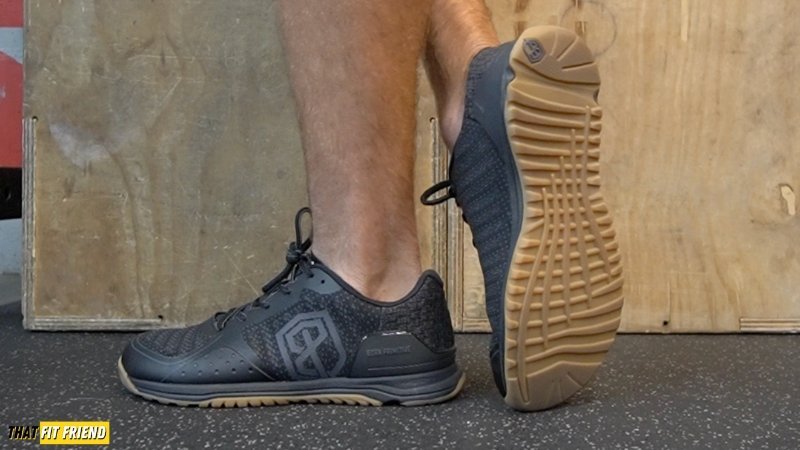
When it comes to lifting, the dual-density EVA foam midsole is the powerhouse in this shoe. This material gives the forefoot a little more bounce and responsiveness and the heel more density. I love this for things like squats, power cleans, and basically any other exercise you want to throw at these on your leg day. For deadlifts up to 500 lbs and squats north of 300 lbs, I never have issues with these.
Another thing to like about the Savage 1 is its overall durability. These shoes tend to last a while with most training styles. I even use mine for pickleball from time to time and they don’t have breakdown issues on the court. All that to say, these are a solid investment for most lifting-focused folks.
The Verdict: This shoe is awesome for lifting if you want something that’s a little more minimalist and dense while being flat-foot friendly. This shoe also works great for cross-training and CrossFit due to its flexibility and lightweight construction.


What to Buy for Cross-Training If You Want a Zero-Drop
A zero-drop shoe puts your foot into a flat position when you’re wearing them, AKA the forefoot and heel sit at the same height off the ground. This feeling is often desired by those who want a more “natural” feeling with their shoes.
My Top Pick: Flux Adapt Graphene Trainer
The Flux Adapt Graphene Trainer can be a solid option for those who want a zero-drop shoe for lifting, CrossFit, and cross-training. These are pretty well-rounded and air a little on the denser side regarding their midsole for stability promotion.
- Removable Insole: Yes
- Sizing: True to Size
- For More Info: Read My Review
Flux Adapt Graphene XT
$150

Pros
- Lightweight build
- Zero-drop (flat) construction
- Versatile training shoe
Cons
- Boot is hit or miss
- Can slide on insole
- High price point
Best For
- Cross-Training
- Strength Training
- Classes and HIIT
- Wide Feet
Specs
| Heel-to-Toe Drop | 0mm |
| Weight | 10.55 oz (size 10) |
| Width | Wide |
| Lifting Threshold | ~405 lbs |
| Run Distance Threshold | 1-2 miles (at one time) |

This shoe features a lightweight upper construction and a more relaxed fit, which usually resonates best with those who have thicker, flatter, and wider feet. These also tend to do well for those who like having less structure with their upper.
As for training, I’ve squatted north of 300 lbs in these shoes and have used them for heavy deadlift sessions with no issues in stability. The rubber and Graphene outsole grip well and haven’t shown a ton of signs for early wear, which is a good sign for longevity, especially since these have a higher price point.
The Verdict: For flatter feet who want a zero-drop shoe geared for lifting, the Flux Adapt Graphene Trainer can be a good option. The upper breathability of these also makes them a great fit for warmer gym environments.


What to Buy for HIIT and Flat and Wide Feet
The cross-training shoe market is finally starting to expand with more options that can work for exceptionally wide feet; this wasn’t the case up until a few years ago. My pick below can be great for those who have wide and flat feet and want a flatter shoe that works well for HIIT and versatility.
My Top Pick: Altra Solstice XT 3
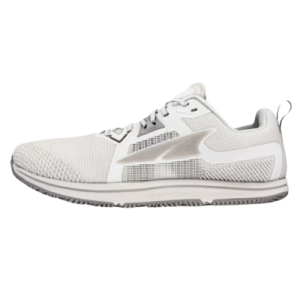
The Altra Solstice XT 3 is taking my top pick as the best flat-foot cross-training shoe that can work great for HIIT and wide feet. This cross-training shoe has one of the widest toe boxes on the market compared to its peers, and it’s a great option for the generalist in the gym, more on that below.
- Removable Insole: Yes
- Sizing: True to Size
- For More Info: Read My Review
Best For/Falls Short For
$130
Pros
- Good for wide feet
- Solid for lifting and cross-training
- Highly flexible and breathable
Cons
- Tongue security is FRUSTRATING
- Outsole hasn't changed from 2
- Not great for narrow feet
Best For
- Cross-Training
- General Strength Training
- Short Runs (1-4 miles)
- Flat/Wide Feet
- Zero-Drop Lovers
Specs
| Heel-to-Toe Drop | 0mm |
| Weight | 10.15 oz |
| Width | Wide |
| Lifting Threshold | ~455 lbs |
| Run Distance Threshold | <3-4 miles |
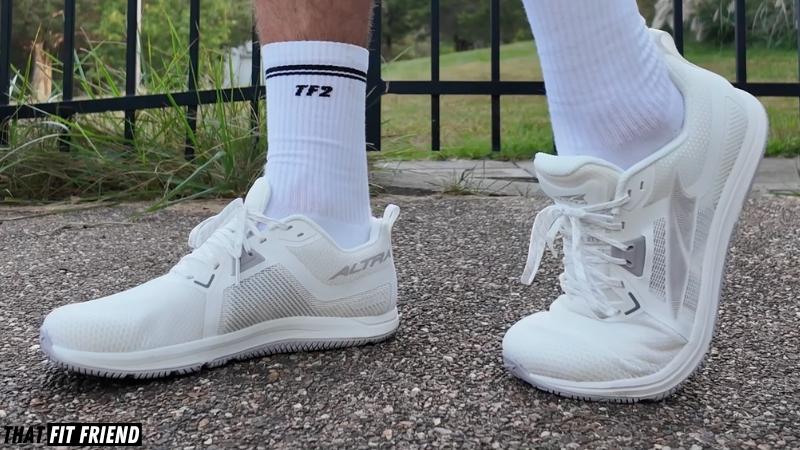
The Solstice XT 3 has a medium-density midsole that works for versatile training settings but can also support heavier sessions as well. When squatting over 275 lbs in this shoe, stability wasn’t a major concern and I liked their width for toe splay.
If you want a shoe that can do a little bit of everything, that’s where the Solstice XT 3 can excel. These are typically what I recommend for my friends with flat and wide feet who I know like to do short runs, lift, and jump all in a single session. As opposed to the Graphene XT Trainer above that has a denser feel, these will be a little softer and responsive.
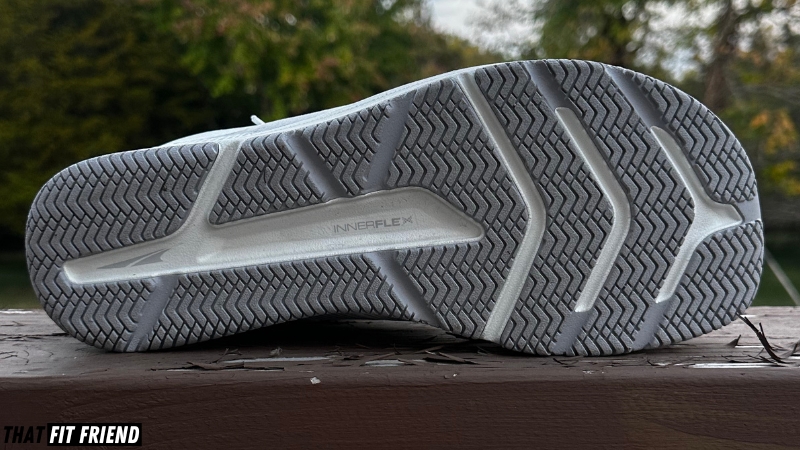
The Verdict: For a balance of comfort and versatility, the Altra Solstice XT 3 can be a great option. These are one of the widest options on this list, too, and the midfoot isn’t super aggressive. My only caveat with this model is for outdoor training, tread lightly when using them on concrete, as their outsole can be problematic.

What to Buy for Thick and Flat Feet
If you have flat and thick puddle stompers, this section is for you. This pick is for my friends who are constantly battling shoes that feel far too low-profile through the midfoot and forefoot.
My Top Pick: VIKTOS Core Containment
The VIKTOS Core Containment has been one of those shoes that flies under the radar. They’re also one of those training shoes that can be a bit polarizing regarding its fit and feel. When these hit…they HIT, but when they don’t they can be a sharp miss.
- Removable Insole: Yes
- Sizing: True to size for narrow feet, wide feet go up a half-size.
- For More Info: Read My Review
VIKTOS Core Containment
$130

Pros
- Wider fit
- Good do it all shoe
- Great outsole grip
Cons
- Lacing system is so-so
- Upper can lack breathability
- Variable durability
Best For
- General strength and hypertrophy
- Light cross-training and HIIT
- Short interval runs
- Daily wear
Specs
| Heel-to-Toe Drop | 8mm |
| Weight | 10.65 oz (size 10) |
| Width | Wide(r) |
| Lifting Threshold | ~455 lbs |
| Run Distance Threshold | 1-2 miles (at one time) |
ALTERNATIVES

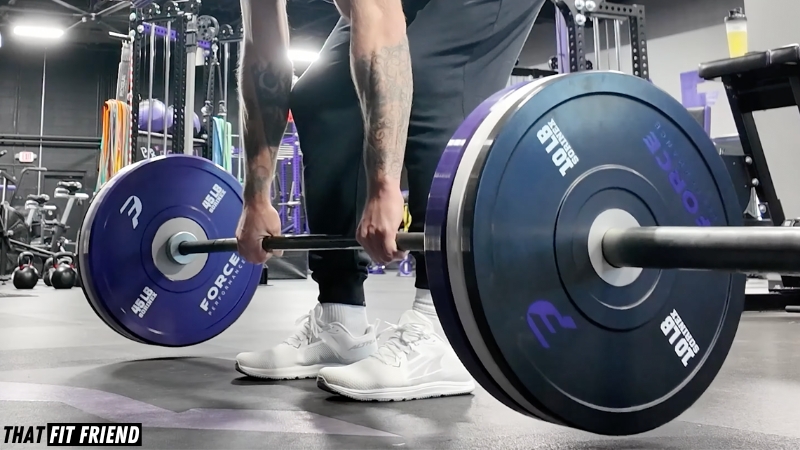
In the context of my tests and training, I’ve enjoyed this shoe’s stability, versatility, and durability. The medium-density foam midsole has been plenty stable for supporting my heaviest sessions, and to date, I’ve squatted 315 lbs and deadlifted up to 455 lbs in them without stability issues.
Speaking to the polarizing fit and feel of these above, which generally stems from their heel and forefoot. At times, the heel’s lip can feel a bit aggressive on thicker ankles and the forefoot upper can lip at times, but I haven’t experienced that issue in my pair and a few of my friends in the YouTube community haven’t either. For most, I think they’re worth a try if you’ve been stumped finding a solid “no frills” trainer.
The Verdict: If your weekly training is a blend of lifting and cross-training with a little CrossFit sprinkled in, then these will be a good fit for you. They’re wider, have a chill midfoot and hit all of the key features you’d want from a good trainer.


Is Working Out With Flat Feet Bad?
No, it is never bad to work out. If you have flat feet, then it can be beneficial for your specific foot anatomy to train and train hard at that. Everyone’s foot anatomy is slightly different, so the benefits will vary from athlete to athlete.
If you have flat feet and notice that your feet ache or feel tired after workout sessions, it can be a good idea to focus on and improve your foot’s musculature. This can then carry over to your foot’s intrinsic muscles, which help provide it with its structure.
If you look around online, then it doesn’t take long until you see something like “flat feet are bad”. That’s a common misconception, and flat feet are not inherently bad as foot flatness varies greatly between individuals and what that means can also vary.

For example, there are plenty of elite athletes and lifters that have, by definition, “flat feet” but perform just fine without issues. There’s a lot of individuality that comes into play here and adopting the mindset of “this is bad” can be limiting and create issues where there are none, in my coaching opinion.
My biggest piece of advice is to listen to your body when it comes to working out with flatter feet and ease into your style of training accordingly. Then add accessories as needed based on the feedback your body gives you from training.
This way you can better scale your workouts so you’re not feeling beat up after them and you can assess if you should spend some extra time training the feet directly.
Why Are CrossFit Shoes Flat?
Not all CrossFit shoes are flat and very few models actually provide a 0mm heel-to-toe drop or fully flat construction. Most models feature heel-to-toe drops that range from 2mm to 9mm. This range is used to provide the shoe with a “best of all worlds” type of feel.

A shoe’s heel-to-toe drop can influence how a shoe fits, feels and performs. If we raise our heel higher above our toe, then we’ll see mechanical changes at the ankle and foot when working out.
The 2mm-9mm heel-to-toe drop range that most CrossFit shoes utilize is to provide the shoes with a lower-to-the-ground feel, but also provides some heel for training purposes when doing things like squats, cleans, wall balls, and thrusters.
Do Flat Feet Lifters Need Arch Support?
Not necessarily. This question depends on the level of midfoot and arch support you need to train and work out without discomfort. If you have flatter feet that are more rigid in nature, then you may not need a ton of arch support when lifting.
Basically, if your feet have adequate musculature and your arch is flatter but strong, then you may not require auxiliary midfoot support.

For lifters that find their feet collapsing or as though they’re not as stable and balanced when training and note that it’s taking away from their performance, then exploring additional arch support could be a really good call.
This could be provided through a shoe’s last and construction or additional orthotics designed to provide additional arch support. Note, if you reach for additional arch support in shoes, it’s also a good idea to train your foot outside of that shoe to build up the deeper muscles of the foot.
Takeaway Thoughts
If you have flat feet, then it can be a tedious process trying to find a pair of cross-training shoes that fit your performance needs best. There are plenty of cross-training shoes on the market that can work for flat feet and each model will feel differently based on your individual needs.
The cross-training shoes for flat feet featured in this article should all work for flat feet and they each provide their own unique fit and feel in regard to stability and versatility per the demands of your training.
If you have any questions on this round-up and the shoes featured in it, drop a comment below or reach out to me personally via Instagram (@jake_boly or @that_fit_friend).


Cortni Kaufert
My feet are totally flat and I need a good pair of lifting shoes
Do you want more or less arch support?
Amanda
Have you tried the GoRuck Ballistic trainers? Those are supposed to have support for the 3 arches in your foot (which is supposed to work well for any arch). I’m curious how that compares to these other models/brands.
Yes, I have reviews on them!
They’re okay — a bit clunky at times and the arch support is due to the different insoles they provide. They’re fine shoes, but just “fine” though, if that makes sense!