

That Fit Friend is reader-supported and may earn commissions through affiliate links. We also work with select brands on paid editorial partnerships. These relationships do not influence our testing methodology, product ratings, or recommendations. Read more here!
When you’re looking for a versatile training shoe that can handle a blend of lifting, HIIT, and running, both the Nike Free Metcon 7 and On Cloud X 4 frequently pop up as top choices. Both of these models are built with general fitness and class-style workouts in mind, but they approach versatility from two completely different design philosophies.
Nike overhauled the Free Metcon 7 with a re-tuned, denser Nike Free midsole, a reworked upper, and a slightly narrower toe box. Meanwhile, On updated the Cloud X 4 with an X-shaped Speedboard and a slightly softer Helion superfoam midsole to cater to hybrid runners and class-focused athletes.
Price, weight, offset, and underfoot mechanics heavily differ between these two models. The Nike Free Metcon 7 retails for $125, featuring a flexible Nike Free forefoot and a 11.4-ounce footprint. The On Cloud X 4 enters at a higher price point of $160, offering a slightly lighter build at 11.15 ounces with a 7mm heel-to-toe drop.
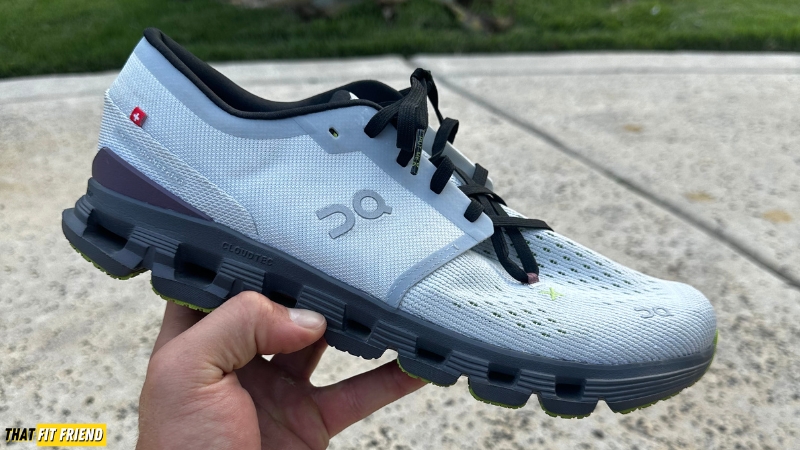

Performance Quick Hits
I’m going to do my best to separate personal preferences from this section, especially since both shoes handle flexibility, midsole density, and arch support in ways that will cater to very different training styles and fit preferences.
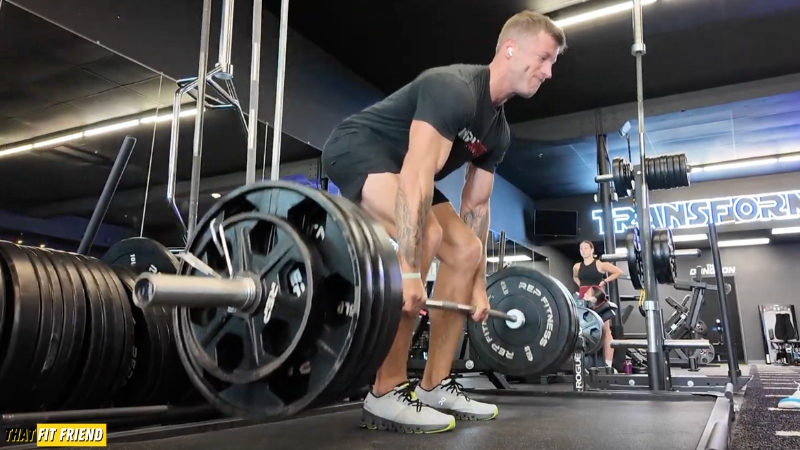
- Better for Lifting: Nike Free Metcon 7. While neither of these shoes is designed for super heavy lifting, the Free Metcon 7 easily takes the edge for general gym lifting. Its dual-density midsole provides a much more stable base that comfortably handles free-weight loads up to ~315 lbs. The Cloud X 4’s CloudTec midsole is noticeably squishier; it starts to visibly compress around 275 lbs on bilateral lifts (and 155 lbs on single-leg exercises), making it feel unstable for heavier leg days.
- Better for CrossFit and Cross-Training: Nike Free Metcon 7. The Free Metcon 7 features a grippier full-length rubber outsole, lateral sidewall protection, and a more secure upper for dynamic directional changes. While the Cloud X 4 works great for casual HIIT, its lack of lateral upper lockdown and exposed midfoot foam make it fall short for aggressive cross-training.
- Note: Keep an eye on the Free Metcon 7’s forefoot midsole if you regularly do heavy power cleans, as the vertical flex points can be prone to splitting under high impact.


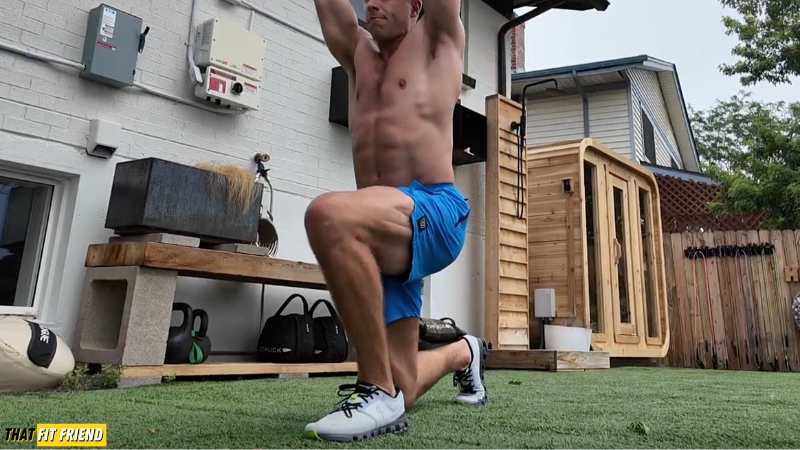
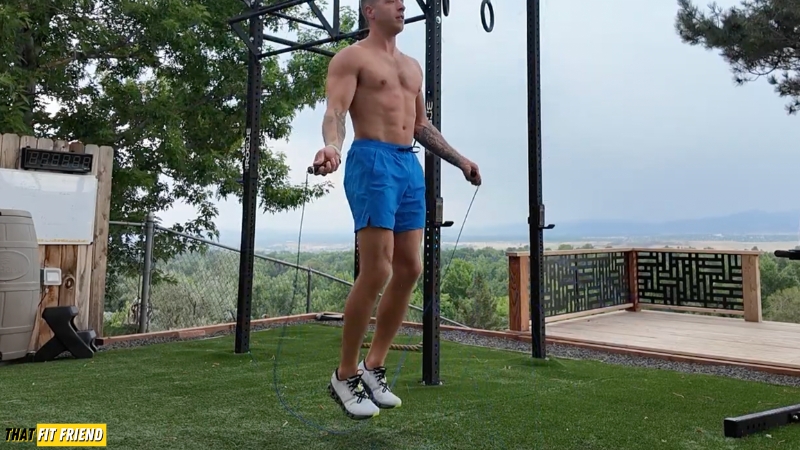
- Better for Running (Short to Mid-Distance): On Cloud X 4. If your workouts include treadmill blocks, Barry’s Bootcamp-style classes, or 2–3 mile runs before or after your lifting, the Cloud X 4 is the clear winner. Its Helion superfoam and CloudTec pods give you a smooth, cushioned ride. The Free Metcon 7’s re-tuned midsole is a noticeable upgrade over the Free Metcon 6 for short 400m–1,000m repeats, but it still feels a bit too clunky for anything past a mile at one time.
- Better for Daily Wear & Travel: On Cloud X 4. For walking around, running errands, traveling, and all-day wear, the Cloud X 4 takes the win here. It is lightweight, highly breathable, and offers plush underfoot comfort. The Free Metcon 7 has a higher, stiffer ankle collar and a tighter toe box that can start to jam your toes and rub your ankles over a full day of walking. The Free Metcon 6 was more comfy for all-day wear.
The Performance Takeaway
If you stop reading this article here, here are your core takeaways.
Grab the Nike Free Metcon 7 if you want a true gym-focused generalist that prioritizes stability for barbell work (up to 315 lbs), offers great grip on rubber gym floors, and can handle short interval sprints during WODs.
Grab the On Cloud X 4 if you are a class-focused or hybrid athlete who prioritizes running comfort (2–3ish miles), loves a lightweight and breathable feel for travel, and sticks primarily to machines, dumbbells, and light-to-moderate weights in the gym.
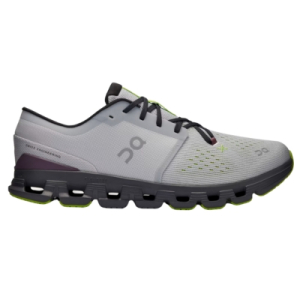
On Cloud X 4

Nike Free Metcon 7
Buy the Nike Free Metcon 7 if:

- You prioritize lifting stability over running performance. You want a versatile gym shoe that easily handles squats, lunges, and machine work up to 315 lbs without the underfoot squish of a running shoe.
- Your workouts consist of short interval sprints or WODs. You cap your running intervals under 1k at a time in WODs and focus primarily on strength work, kettlebell circuits, and box jumps.
- You want superior traction on gym floors. You need a rubber outsole with lateral sidewall protection that bites into rubber mats and turf during dynamic cuts and sled pushes.
Nike Free Metcon 7
$125
Pros
- Bouncy Midsole
- Grippy Outsole
- Decent Ankle Support
Cons
- Midsole Durability
- Narrower Toe Box
- Boot Can Rub On Some
Best For
- Cross Training
- Light to Moderate Strength Work
- HIIT
- Short Runs <2 miles
Specs
| Heel-to-Toe Drop | 6-7mm (allegedly) |
| Weight | 11.3 oz (size 10) |
| Width | Narrow/Medium |
| Lifting Threshold | ~365 lbs |
| Run Distance Threshold | 2-3 miles (at one time) |
ALTERNATIVES
Buy the On Cloud X 4 if:
- You are a hybrid runner or class-focused athlete. You regularly log 2 to 5 miles on the treadmill during Barry’s Bootcamp, HIIT, or tread-and-floor workouts.
- You want a lightweight, ultra-breathable shoe for daily wear and travel. You prefer a plush, flexible step-in feel that stays comfortable all day while walking, flying, or running errands.
- You stick to light-to-moderate weights in the gym. Your strength training consists mostly of bodyweight movements, dumbbells, and cable machines under 275 lbs.
On Cloud X 4
$149.99
Pros
- CloudTec Midsole Is Comfy
- Good for General Training
- Can Work for Walking and Short Runs
Cons
- Not Great for Heavy Lifting
- Rocks Can Get Into Midsole/Outsole
- Not Great for Flat Feet
Best For
- Casual and Lighter Lifting
- Cross-Training
- HIIT and Classes
- Walking
- Short Runs
Specs
| Heel-to-Toe Drop | 7mm |
| Weight | 11.15 oz (size 10) |
| Width | Medium/Wide(ish) |
| Lifting Threshold | ~275 lbs |
| Run Distance Threshold | 2-3 miles (at one time) |
Sizing and Fit Comparison
About My Feet: I have a normal arch/instep and my feet come in at an E/EE width. The length of my left and right foot are consistent with one another, and I size as a true US 10 for most companies’ sizing charts.
Free Metcon 7
- Narrow (<D) feet: True to size
- Medium (D) width feet: True to size
- Wide (E/EE) feet: Go up a half-size if you don’t want a snug fit
- Extra Wide (3E+): These may be a pass
On Cloud X 4
- Narrow (<D) feet: True to size
- Medium (D) width feet: True to size
- Wide (E/EE) feet: True to size
- Extra Wide (3E+): These may be a pass
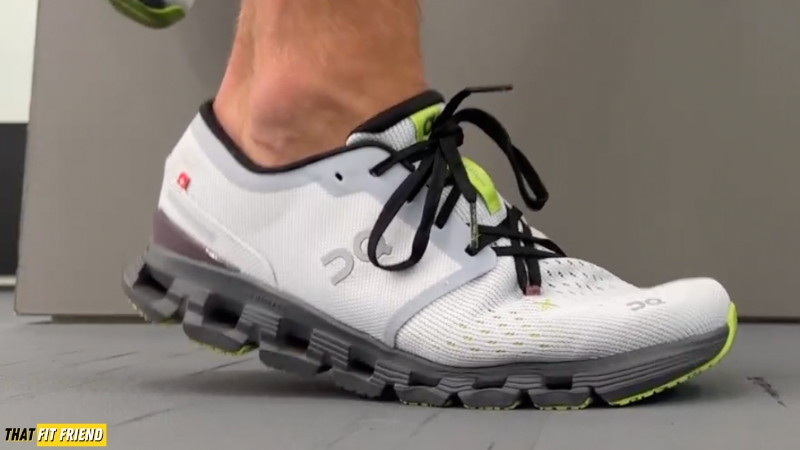
For athletes with narrow, medium, or slightly wider E-width feet, both the Nike Free Metcon 7 and On Cloud X 4 fit true to size in terms of length. However, their volumes feel noticeably different on foot.

The Nike Free Metcon 7 features a narrower, tapered toe box that wraps the forefoot tightly. If you have standard D-width or narrow feet, going true to size will give you a locked-in, athletic fit. If you have E-width feet, you may want to consider going up a half-size in the Free Metcon 7 to prevent your pinky toe from rubbing against the outer sidewall.
The On Cloud X 4 offers a slightly more spacious forefoot and midfoot environment. It fits true to size for narrow, medium, and E-width feet right out of the box, offering a comfortable step-in feel with a plush padded collar and tongue. For lifters with ultra-wide 3E+ feet, neither of these models will be ideal due to their tapered profiles. Athletes with ultra-wide feet should pass on both and look toward wider, foot-shaped options like the Forged & Tested Catalyst or Altra Solstice XT.
Construction Details
The construction of the Nike Free Metcon 7 and On Cloud X 4 highlights two very different approaches to building a versatile generalist trainer. While Nike prioritizes dual-density underfoot stability and lateral upper lockdown for gym work, On focuses on lightweight mesh integration, shock-absorbing CloudTec pods, and smooth heel-to-toe transitions for hybrid running.
Upper Differences
The Nike Free Metcon 7 moves away from the full internal bootie construction of prior iterations, opting for an updated mesh upper with a ⅞ inner sleeve and a webbed Flywire-style lacing system. The midfoot is reinforced with raised rubber sidewalls to provide lateral support during cuts and sled pushes. While the upper provides a secure lockdown for directional shifts, the higher ankle collar and stiffer heel counter can rub slightly against lower ankle bones if you wear no-show socks.


The On Cloud X 4 utilizes a lightweight, breathable engineered mesh upper made from recycled polyester. It features an integrated star-lacing system and an internal midfoot cage that wraps the foot securely during side-to-side movements. The heel and collar feature extra plush padding, giving the shoe a soft, comfortable step-in feel. While the upper is exceptionally breathable and lightweight for hot summer workouts, it lacks the heavy-duty lateral reinforcement needed for high-friction activities like rope climbs or heavy sled pushes.
Midsole Differences
Nike deploys a dual-density foam setup for the Free Metcon 7, pairing a softer inner core for impact absorption with a firmer outer carrier foam for lifting stability. The forefoot features deep laser-siped vertical and horizontal flex grooves to mimic natural foot movement. This re-tuned midsole feels bouncier and more responsive than the Free Metcon 6 during short interval sprints, but the deep vertical laser siping can still be vulnerable to splitting if subjected to high-force power cleans on rubber gym mats.


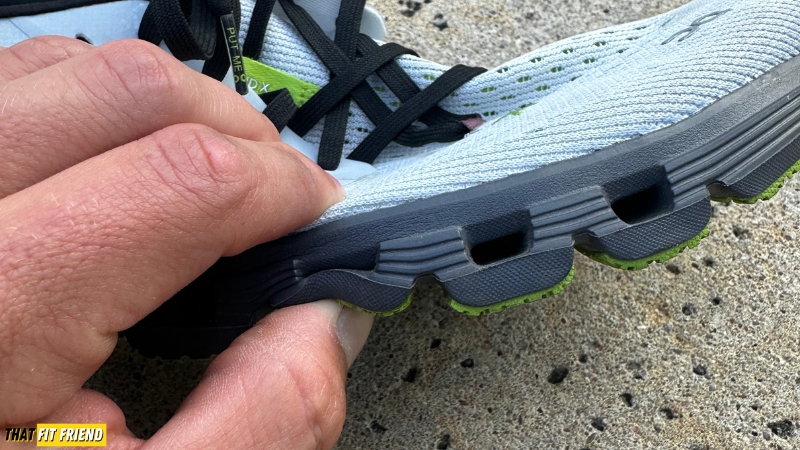
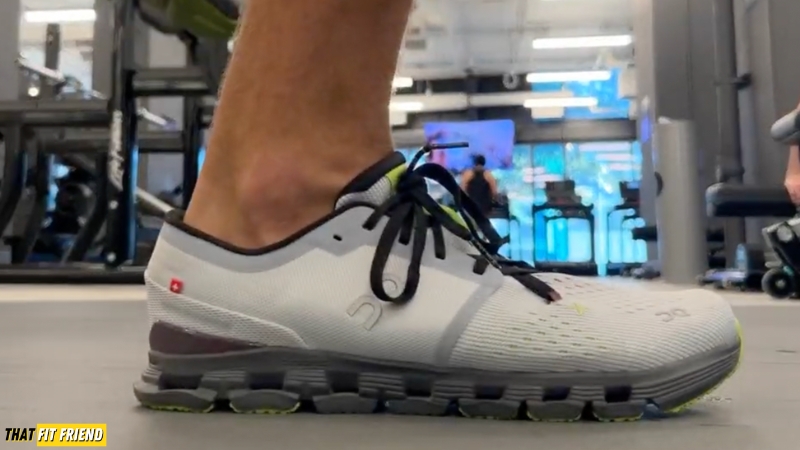
The On Cloud X 4 utilizes On’s signature Helion superfoam paired with an X-shaped Speedboard embedded through the midfoot. The Helion foam and CloudTec pods provide a plush, shock-absorbing ride that excels during treadmill running, jump rope, and plyometrics. However, because the foam pods are tuned for running energy return, the midsole exhibits noticeable compression when subjected to heavier barbell loads over 275 lbs.
Outsole Differences
The outsole of the Nike Free Metcon 7 features a full-length rubber compound with a modified tread pattern that provides excellent traction on rubber gym floors, wood platforms, and turf. The rubber extends up the medial and lateral midfoot to offer extra bite and abrasion resistance during gym-based conditioning circuits.
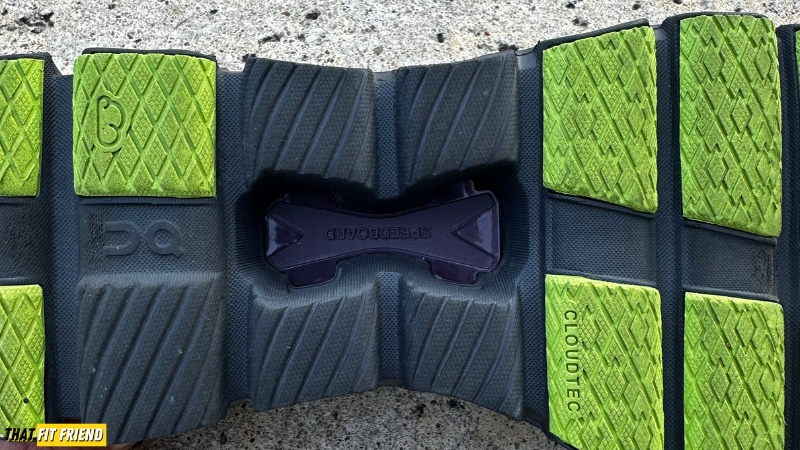

The On Cloud X 4 utilizes a targeted rubber outsole design, placing high-abrasion rubber pads only in critical high-wear zones in the forefoot and heel to save weight. The midfoot features exposed Helion foam pods. While this setup delivers fantastic grip on road surfaces, treadmills, and dry gym floors, the exposed midfoot channels can occasionally catch small pebbles or gravel if you take your workouts outdoors.
Final Remarks: Which Is Best for You?
If your training revolves around barbell work up to 315 lbs, dumbbell circuits, and short interval sprints where you need a planted base and sticky rubber grip, grab the Nike Free Metcon 7. It delivers a true gym-focused experience that balances lifting stability with forefoot flexibility.
On the flip side, if you are a hybrid athlete who loves treadmill classes like Barry’s Bootcamp, regularly runs 2 to 5 miles, and prioritizes lightweight, breathable comfort for daily wear and travel, the On Cloud X 4 is going to be the better match for your routine.
Ultimately, take a look at your training split and foot shape. If you need a stable gym generalist and have narrow-to-medium feet, the Free Metcon 7 is a great pick. If you want a plush, running-biased trainer that handles light gym work with ease, the Cloud X 4 is worth the extra investment.
If you have additional questions on how the Free Metcon 7 or Cloud X 4 handle specific exercises, drop a comment below!


Add a Comment