

That Fit Friend is reader-supported and may earn commissions through affiliate links. We also work with select brands on paid editorial partnerships. These relationships do not influence our testing methodology, product ratings, or recommendations. Read more here!
The RAD ONE V2 and the Nike Metcon 10 represent two very different takes on building an elite, CrossFit-biased training shoe. While both shoes are designed to conquer high-intensity WODs and heavy barbell sessions, their underlying design philosophies, underfoot feel, and fit profiles cater to distinct athlete preferences.
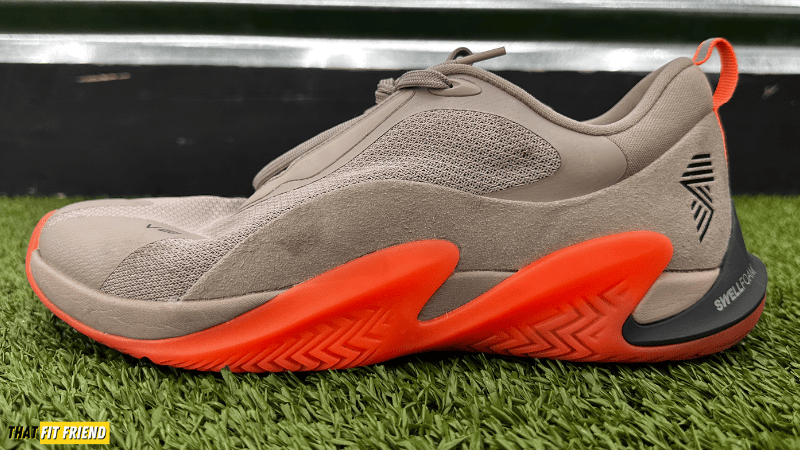
With the RAD ONE V2, R.A.D reworked their debut silhouette by softening the SwellFoam midsole, reducing the toe spring, and opening up the fit slightly to accommodate a wider variety of foot shapes while preserving its trademark steeze.
Nike took a similar “back-to-roots” approach with the Metcon 10, shedding the bulky, polarizing rubber rope guards from the Metcon 9 and returning to a sleeker, lower-profile upper with a reworked Hyperlift heel plate and ReactX foam midsole.
Price, weight, and underfoot feel differ noticeably between these two top-tier options. The RAD ONE V2 retails for $150, weighing in at 13.55 ounces for a men’s size 10 with a 6mm drop. The Nike Metcon 10 enters at $155, weighing a lighter 11.80 ounces with a flatter 4mm offset.

Performance Quick Hits
I’m going to do my best to separate personal preferences from this section, especially since both shoes handle chassis rigidity, stack height, and arch support in ways that will cater to very different training styles and foot anatomies.
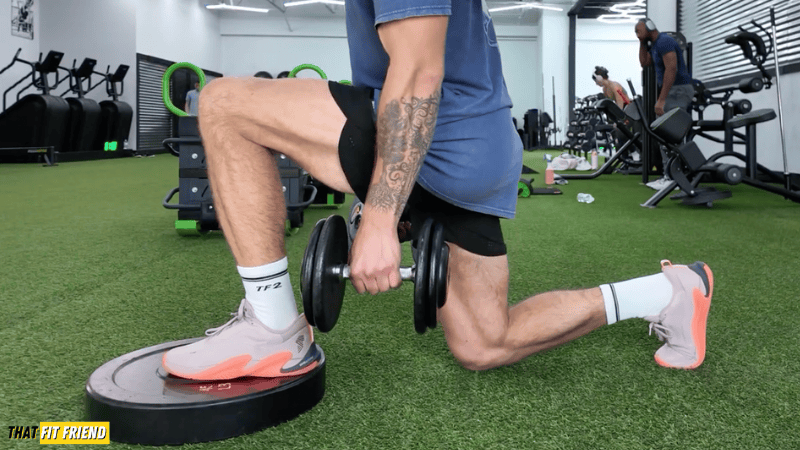
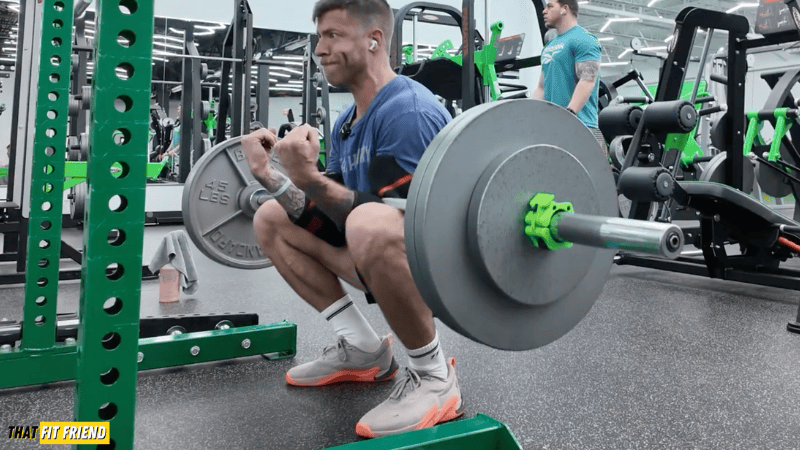
- Better for Lifting: Tie (Preference-dependent). The Nike Metcon 10 utilizes a Hyperlift TPU plate in the heel and a denser ReactX midsole that provides a rigid, “cleat-like” platform for heavy squats, deadlifts, and power cleans. The RAD ONE V2 features a wider, flatter base with a softer SwellFoam midsole and a subtle heel TPU insert that lets you ground your toes effortlessly. If you prefer a structured base with noticeable arch support, go Metcon 10; if you want a slightly wider, flatter platform with a more natural toe-splay feel, go RAD ONE V2.
- Better for CrossFit and Cross-Training: RAD ONE V2. While the Metcon 10 is a massive improvement over the Metcon 9 for versatility, the RAD ONE V2 takes the edge for all-around CrossFit WODs. The SwellFoam midsole is more forgiving during high-volume box jumps and double-unders, and the wave-pattern outsole wraps provide exceptional bite on rope climbs without feeling overly rigid. The Metcon 10’s heel TPU plate can still feel a bit anchor-like during dynamic agility drills.

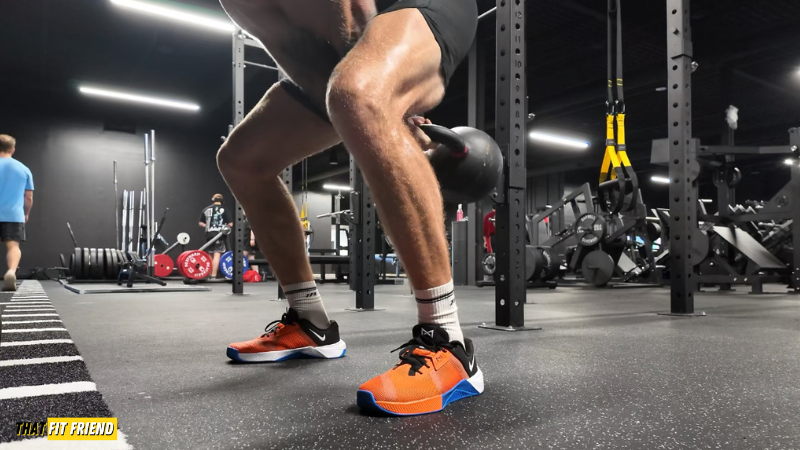
- Better for Short Runs: RAD ONE V2. Neither shoe is a hybrid runner, and both should be capped at short intervals under 1,200 meters. However, the softer forefoot in the RAD ONE V2 makes 400m and 800m repeats far more forgiving. The dense heel in the Metcon 10 can feel heavy and blocky if you have a heel-strike bias during runs.
- Better for Daily Wear: RAD ONE V2. The RAD ONE V2 offers a roomier midfoot, a softer ride, and a lower-profile collar that makes it comfortable for standing, walking, and casual wear. The Metcon 10’s lower-volume upper, aggressive midfoot taper, and prominent medial arch support can start to feel restrictive after 3 to 4 hours on your feet.
The Performance Takeaway
If you stop reading this article here, here are your core takeaways.
Grab the RAD ONE V2 if you are a CrossFit athlete who wants a forgiving, highly versatile trainer with a wider fit through the forefoot and midfoot, outstanding turf/rope climb grip, and street-style appeal that easily transitions to casual wear. In my opinion, the RAD ONE V2 is the overall stronger shoe.
That said, grab the Nike Metcon 10 if you loved the snug, locked-in fit of older Metcons (like the Metcon 3-6), crave maximum heel rigidity for heavy barbell lifts, and prefer a lower-volume shoe with noticeable medial arch support.
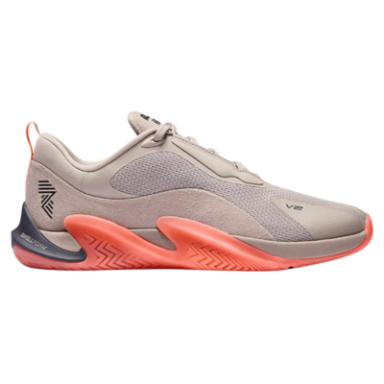
RAD ONE V2
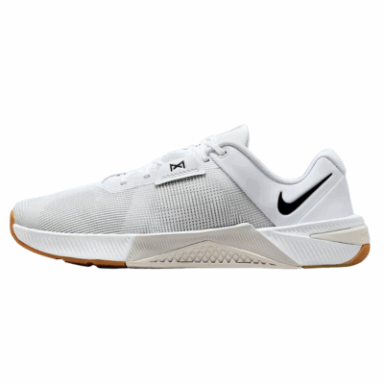
Nike Metcon 10
Go With the RAD ONE V2 If…
- You want a balanced trainer for dynamic CrossFit WODs. The SwellFoam midsole in the RAD ONE V2 strikes a better balance between stiffness for lifting and forgiveness for box jumps, double-unders, and short run intervals. It won’t feel like a block underfoot when your WOD calls for high-volume plyometrics.
- You have wider feet or like natural toe splay. The V2 features a slightly opened-up forefoot and midfoot compared to both the V1 and the Metcon 10. If you hate having your toes pinched or run into width issues in standard Nike models, the RAD ONE V2 will feel vastly more comfortable.
- You want a shoe for workouts and daily wear. Between its plusher heel collar, roomier fit, and clean aesthetic, the RAD ONE V2 is infinitely easier to wear out of the gym, while running errands, or standing for extended periods.
RAD ONE V2
$150
Pros
- Well-rounded in the gym
- Comfortable midsole
- Good lifting performance
Cons
- Upper can run warm
- Wave design is hit or miss
Best For
- CrossFit (good do-it-all shoe)
- Lifting
- Cross-Training
- Streetstyle Lovers
Specs
| Heel-to-Toe Drop | 6mm |
| Weight | 13.25 oz |
| Width | Medium/Wide(r) |
| Lifting Threshold | ~535 lbs |
| Run Distance Threshold | <2 miles |
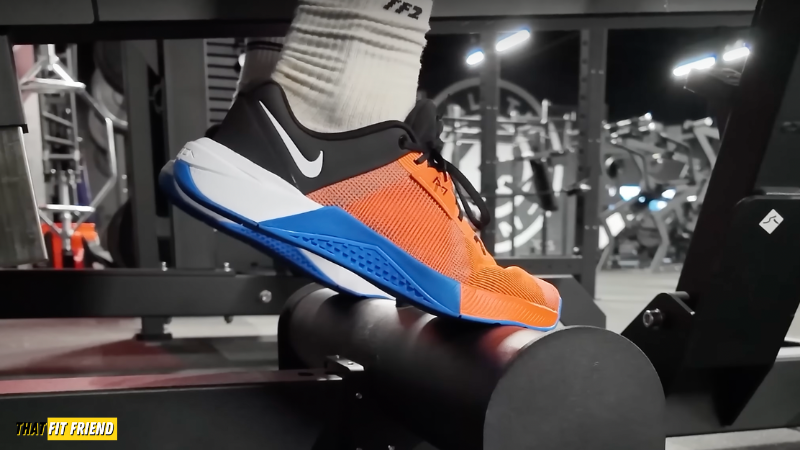
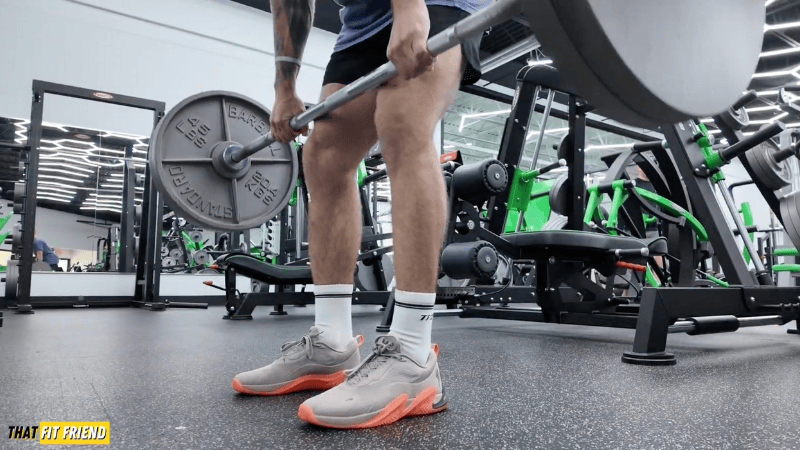
Go With the Nike Metcon 10 If…
- Your primary focus is heavy barbell stability. If your training revolves around heavy squats, cleans, and deadlifts, the Hyperlift TPU heel plate and dense ReactX foam in the Metcon 10 provide an immovable, ultra-stable platform that hard-anchors you to the floor.
- You love a snug, low-volume, “cleat-like” fit. If you have narrow-to-medium width feet and prefer your training shoes to wrap like a glove with zero heel slip, the Metcon 10’s streamlined upper delivers superior lockdown.
- You prefer noticeable medial arch support. The interior contouring and midfoot structure of the Metcon 10 offer substantial medial support. If you thrive with artificial arch intervention underfoot during heavy lifts, the Metcon 10 will feel much more structured than the flatter RAD ONE V2.
Nike Metcon 10
$155
Pros
- Stable for lifting
- Athletic feeling upper
- Good for arch support lovers
Cons
- Not flat feet friendly
- Still lacks versatility
- Upper volume is hit or miss
Best For
- Lifting
- CrossFit
- Cross-Training
- Arch Support Lovers
- Low Volume Feet
Specs
| Heel-to-Toe Drop | 4mm |
| Weight | 11.80 oz (size 10) |
| Width | Medium/Wide |
| Lifting Threshold | ~455 lbs |
| Run Distance Threshold | <1,200 at one time |
Sizing and Fit Comparison
About My Feet: I have a normal arch/instep and my feet come in at an E/EE width. The length of my left and right foot are consistent with one another, and I size as a true US 10 for most companies’ sizing charts.
Narrow, Medium, and E/EE Foot Suggestions:
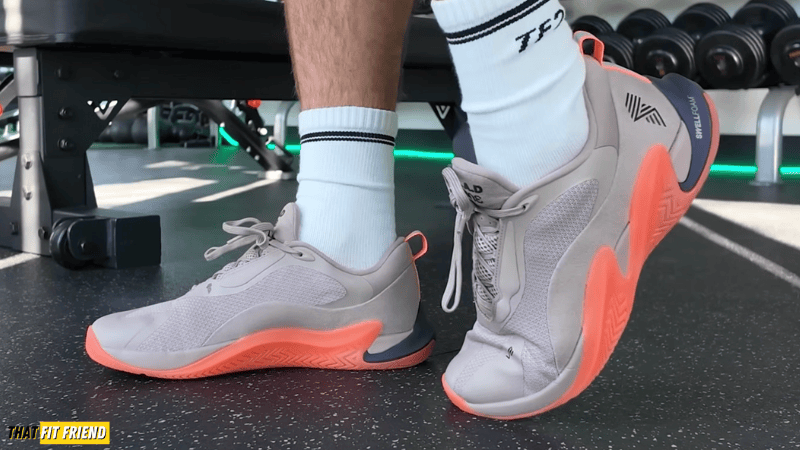
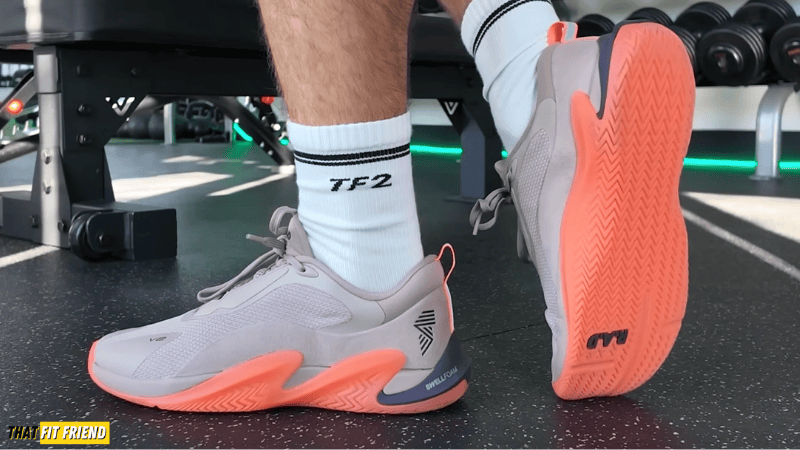
- RAD ONE V2: True to size. The V2 has a slightly roomier toe box and midfoot compared to the original RAD ONE, making it fit comfortably true to size for standard D and E-width feet without feeling constrictive.
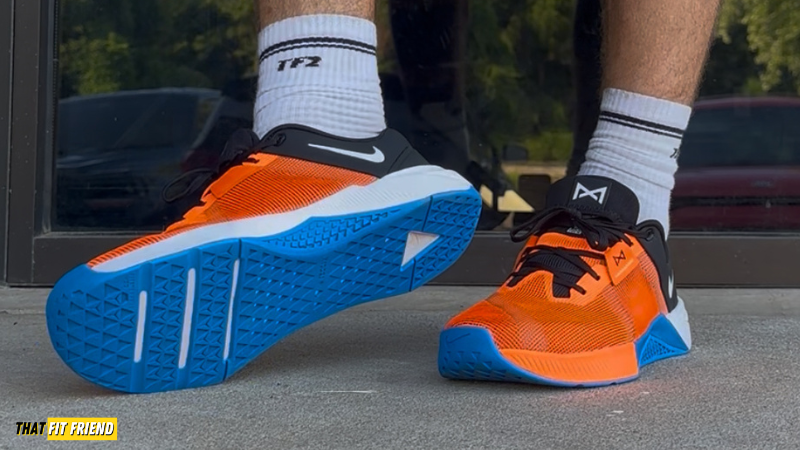
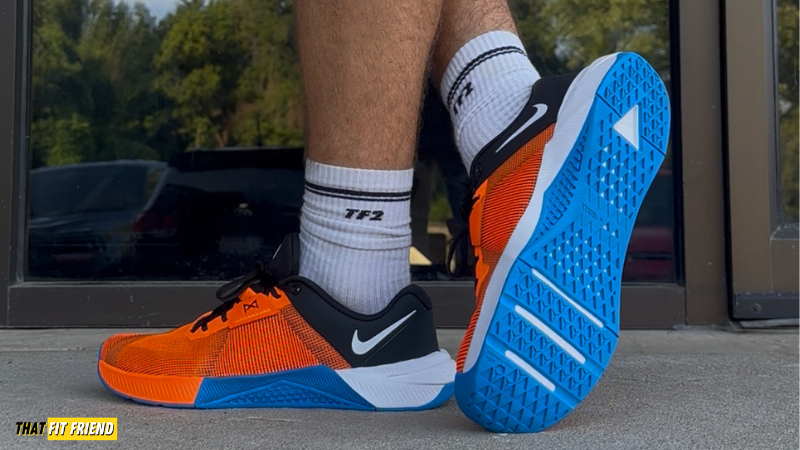
- Nike Metcon 10: True to size for narrow and standard D-width feet. If you have an E/EE-width foot, stay true to size for an athletic, locked-in fit, but expect a lower-volume upper that wraps closely through the midfoot.
3E+ Foot Suggestions:
- RAD ONE V2: Go up a half-size. While the V2 is more accommodating than the V1, ultra-wide feet will still benefit from an extra half-size to ensure adequate toe splay.
- Nike Metcon 10: Pass on these. The aggressive midfoot taper and structured medial sidewalls will feel far too narrow and restrictive for 3E+ width feet.
Construction Details
The construction of the RAD ONE V2 and the Nike Metcon 10 highlights two very different approaches to modern cross-training footwear. While Nike leans heavily into synthetic, low-profile lockdown with an external TPU chassis, R.A.D relies on a plush, single-foam package wrapped in an extended outsole rubber shell.
Upper Differences
The Nike Metcon 10 completely overhauls the upper from the Metcon 9, stripping away the bulky, rigid rope guards in favor of a lighter, more athletic mesh. The upper features targeted haptic overlays in high-wear areas, a lace-lock loop system to keep laces secured during double-unders, and a slimmed-down tongue. The fit is distinctly “cleat-like”—it sits low on the foot, wraps the midfoot tightly, and provides a super secure, low-volume lockdown.
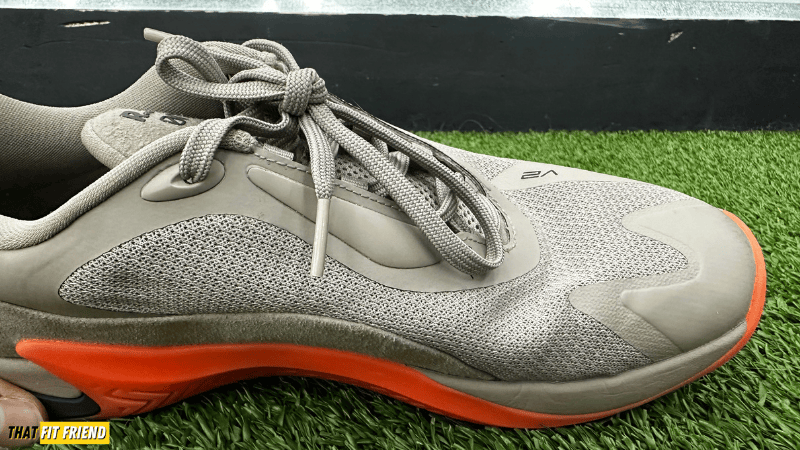

In contrast, the RAD ONE V2 features a breathable mesh upper reinforced with TPU overlays and a signature lateral/medial rubber wrap. The collar and tongue feature noticeably more padding than the Metcon 10, giving the shoe a plusher, more traditional step-in feel. While the upper is extremely durable for rope climbs and burpees, it can run slightly warm during intense sessions in hot garage gyms.
Midsole Differences
Nike deploys a dual-density setup for the Metcon 10, featuring a ReactX foam core encased in a firm TPU heel chassis. The heel includes Nike’s iconic Hyperlift plate, which acts as an immovable platform during heavy squats and cleans. While this gives the shoe stellar heel-to-toe force transfer under heavy barbells, it keeps the rearfoot relatively rigid during running and jump training.
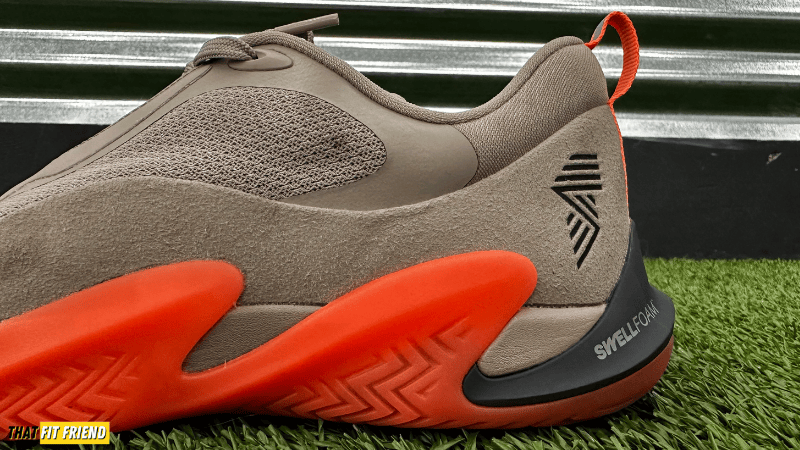

The RAD ONE V2 uses a full-length SwellFoam midsole, which has been slightly softened for the V2 iteration. To balance stability with cushioning, R.A.D embeds a firm TPU shank through the midfoot and heel while keeping the forefoot exposed and flexible. This creates a much more uniform underfoot feel—dense enough to handle heavy deadlifts, but forgiving enough to absorb impact during box jumps and plyometrics.
Outsole Differences
The outsole on the Nike Metcon 10 features a low-profile rubber compound with a modified herringbone and triangular lug pattern. Nike scaled back the massive medial rope wraps from the Metcon 9, opting for a streamlined medial wrap that provides solid rope climb traction without adding unneeded bulk. The heel features a flat, wide contact patch that roots firmly to rubber gym mats.
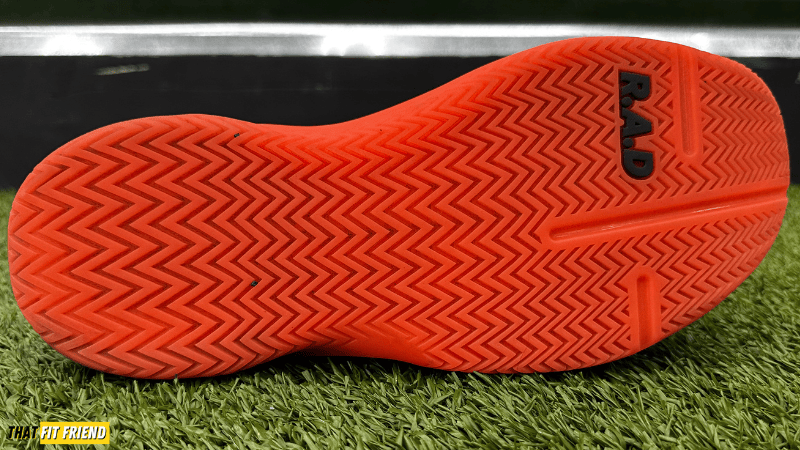
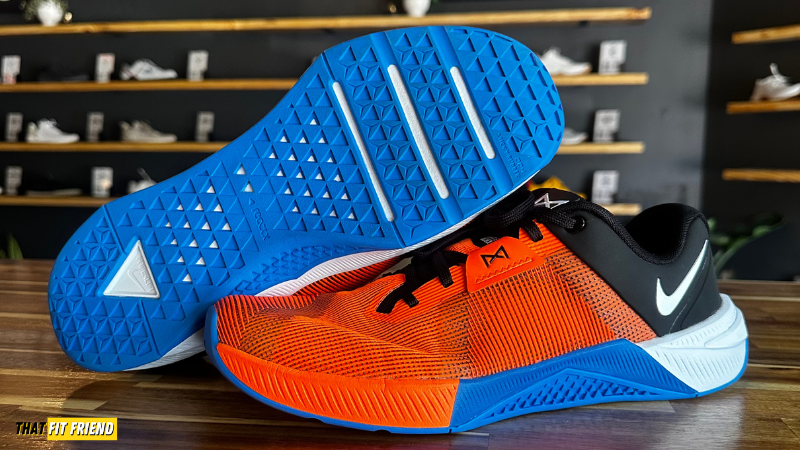
The RAD ONE V2 utilizes its signature wave-pattern rubber outsole that wraps aggressively up the lateral and medial sidewalls. This rubber compound is extremely grippy on turf, wooden lifting platforms, and rubber floors alike. The outsole base is slightly wider through the midfoot than the Metcon 10, providing a flatter overall footprint that allows your toes to splay out naturally.
Final Remarks: Which Is Best for You?
The RAD ONE V2 and Nike Metcon 10 are both elite performance options, but they cater to two different styles of athletes. If you want a shoe with a low-volume, glove-like fit, high structural arch support, and an immovable heel plate for heavy barbell work, grab the Nike Metcon 10. It represents a massive step forward in overall versatility compared to the Metcon 9 while retaining that classic Metcon stability.
On the other hand, if you want a trainer that handles dynamic CrossFit WODs, box jumps, and short runs with more underfoot forgiveness, offers a roomier forefoot fit, and transitions effortlessly to daily wear with stellar streetstyle appeal, go with the RAD ONE V2.
Ultimately, evaluate your foot shape and chassis preference. If you hate artificial arch support or have a wider foot, the RAD ONE V2 will be the far more comfortable option. But if you thrive in tight, locked-in shoes with maximum rearfoot rigidity, the Metcon 10 delivers in spades.



Add a Comment