

That Fit Friend is reader-supported and may earn commissions through affiliate links. We also work with select brands on paid editorial partnerships. These relationships do not influence our testing methodology, product ratings, or recommendations. Read more here!
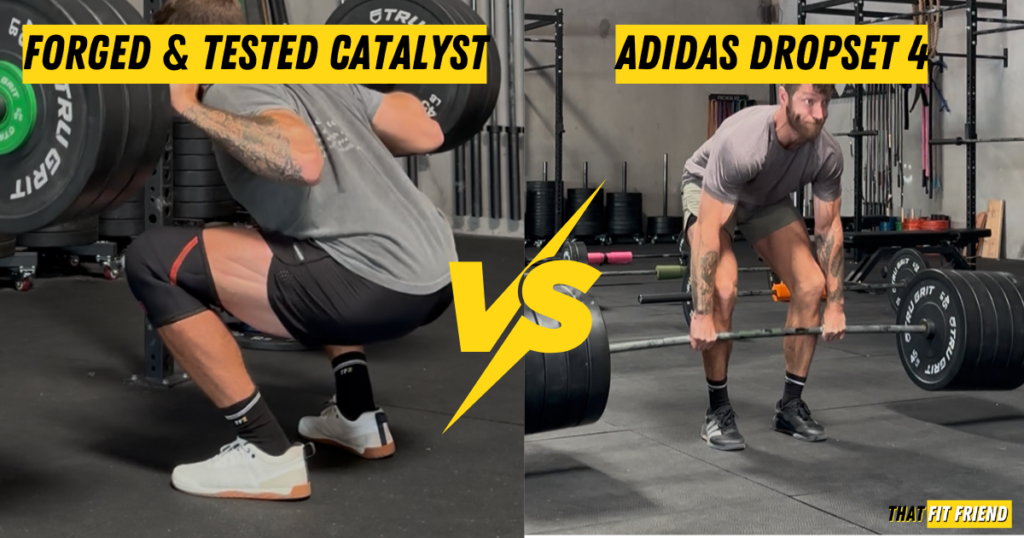
The Forged & Tested Catalyst versus the Adidas Dropset 4 is a fascinating matchup because it puts a true, anatomically minded “transitional” minimalist shoe right up against a built-out, legacy training platform.
Full disclosure and to make sure we’re completely transparent, I built the Forged & Tested Catalyst. I engineered it specifically to bridge the gap between traditional cross-trainers and barefoot shoes, so this comparison is going to be a clean, objective breakdown of how these platforms differ, how they perform under load, and where each makes the most contextual sense for your feet.
Adidas made some massive structural changes when they released the Dropset 4. It has been completely re-engineered from the ground up compared to the ultra-dense Dropset 2 and 3. Rather than remaining a niche shoe built strictly for lifting, the Dropset 4 features reworked tooling to chase broader gym versatility.
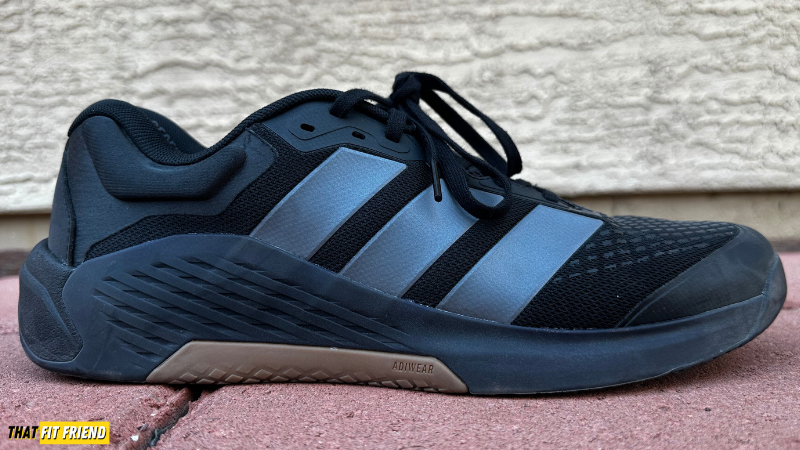
Price, footprint, and stack height heavily clash between these two. The Forged & Tested Catalyst enters at $125, delivering a flat 3mm drop, an 11.0-ounce build, and a highly flexible, low-to-the-ground ride. The Adidas Dropset 4 retails for $145, shifting up to a steeper 6mm heel-to-toe drop and weighing in at 10.90 ounces. Here’s how they stack up.

Performance Quick Hits
I’m going to separate my personal biases from this section as much as humanly possible. I purposely built the Catalyst to match my exact training preferences on the gym floor, but the Dropset 4 delivers a specific type of rigid stability that will absolutely appeal to certain lifters.
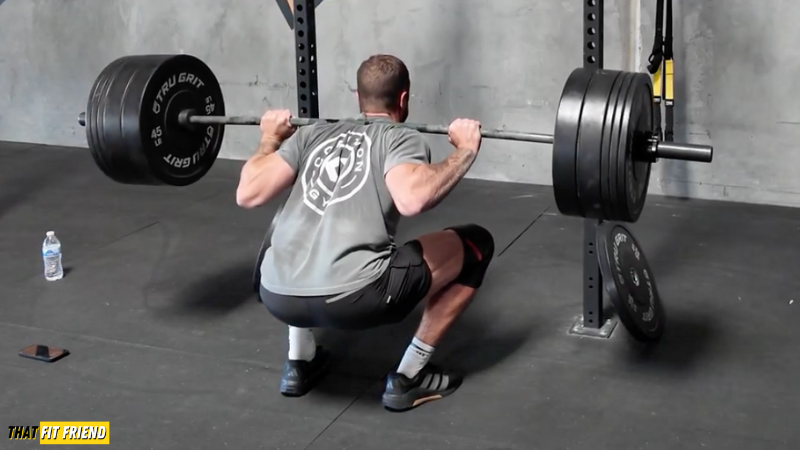
- Better for Lifting: Tie, but it depends entirely on your training style and anatomy. The Catalyst is built with an anatomical wide toe box and a very low stack height (15mm forefoot / 18mm heel) that keeps your foot close to the ground to maximize natural feel. Because it lacks a stiff plastic plate, it relies on total foot engagement. The Dropset 4 feels like a much more traditional lifting platform. It utilizes a firmer Repetitor foam midsole and a slightly flared heel base to keep your stance completely locked in. If you want maximum toe splay and ground feedback, go Catalyst. If you want a structured, solid heel with a steeper drop for deep squats, go Dropset 4.
- Better for CrossFit and Cross-Training: Preference-dependent, but Dropset 4 can be more dialed. If your training consists of athletic conditioning, multi-directional intervals, and high-impact agility work where you want the shoe to bend, twist, and mimic the natural mechanics of the foot, the Catalyst is going to be your move. The layered chainlink mesh feels sock-like and moves effortlessly. If your cross-training leans heavily into traditional CrossFit WODs involving a ton of rope climbs, wall walks, and heavy barbell cycling, where you want a structured upper and a protective midsole with embedded TPU Energy Rods for snappiness, the Dropset 4 takes the edge.



- Better for Short Runs: Adidas Dropset 4. Neither of these shoes are meant for logging high mileage, but for workouts featuring short running intervals under a mile, the Dropset 4 is far more forgiving. It marks a huge improvement over the blocky Dropset 3, using a slightly softer midsole compound and a beveled heel that handles heel strikes well. The Catalyst can easily handle sprints and shuttle runs under 1,000 meters, but because it is a minimalist shoe with minimal padding, it will feel punishing on longer distances if your feet aren’t fully adapted to low-stack training.
- Better for Daily Wear: Catalyst. You can call me biased here all day, but when it comes to long-term comfort, traveling, and coaching on your feet for hours, the Catalyst wins out. I specifically tuned the FlexCore midsole to provide a baseline of comfort while remaining completely flat and unsupportive by design to let your foot do the work. The Dropset 4 is a so-so choice for daily wear; its a bit narrow with a tapered toe box and stiffer midfoot, which can cause some discomfort.
The Performance Takeaway
If you stop reading this article here, here are your core takeaways. Grab the Forged & Tested Catalyst if you want an anatomically wide, highly flexible, and minimalist-feeling trainer that allows your toes to splay naturally while providing exceptional, sticky outsole traction across deadlifts and plyometrics.
Pick up the Adidas Dropset 4 if you prefer a traditional, structured training shoe with a higher 6mm drop, noticeable midfoot containment, and a dense, platform-like heel built for heavy squats and general gym generalist duties.
I’ve lifted north of 500 lbs in both of these shoes with zero stability or compression issues.
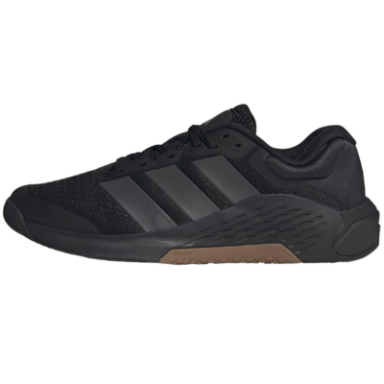
Adidas Dropset 4

Forged & Tested Catalyst
Sizing and Fit Comparison
About My Feet: I have a normal arch/instep and my feet come in at an E/EE width. The length of my left and right foot are consistent with one another, and I size as a true US 10 for most companies’ sizing charts.
Narrow, Medium, and E/EE Foot Suggestions:
- Catalyst: True to size. Half-sizes, size up (only full sizes offered)
- Dropset 4: True to size.
3E+ Foot Suggestions:
- Dropset 4: Pass on these.
- Catalyst: True to size. Half-sizes, size up (only full sizes offered)


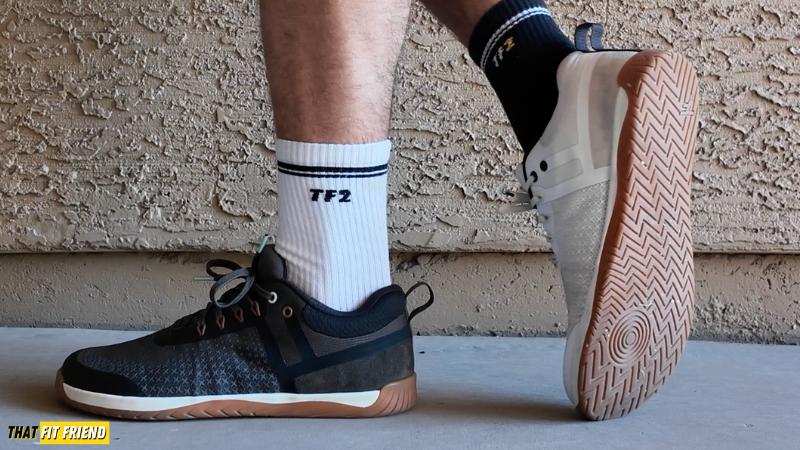
The Dropset 4 will have a more traditional fit regarding its toe box taper and midfoot support. It sizes similar to other Adidas training and running shoes, and will size similar to other big brand training and running shoes from companies like Nike and Reebok, AKA go with your traditional size.
The Catalyst will run wider than the Dropset 4 with more space in the toe box. If you prioritize toe splay and forefoot width, then the Catalyst will be the better pick for you. There’s also less taper through the midfoot and less artificial arch support, so if you prefer shoes that have a flatter feel to them, then that would also be worth considering between the Catalyst and Dropset 4.
With both shoes having such different fits, these can be good training shoes to use in tandem with one another to give your feet and ankles a nice variety of exposures if you decide to pick up both. The Dropset 4 will have a higher drop 6mm versus 3mm and a little more support, while the Catalyst will give you more flexibility and ground feel, thus giving your feet and ankles a wide range
Construction Details
The construction of the Forged & Tested Catalyst and the Adidas Dropset 4 highlights a massive rift in design philosophies. While the Catalyst strips away rigid materials to focus on an organic, movement-first experience that lets your foot do the work, Adidas leans on structural engineering, multi-rubber outsoles, and embedded plastic to guide and protect the foot under load.
Upper Differences
The Forged & Tested Catalyst features a multi-layered chainlink mesh that is designed to feel almost sock-like and hyper-flexible. To prevent this pliable mesh from stretching out or tearing during multi-directional training, it is reinforced with a haptic overlay that is printed 11 times for maximum abrasion resistance. The boot is composed of a raw, split-suede and mesh combination that lets you slip the shoe on easily without collapsing the heel cup. The standout characteristic here is its anatomical wide toe box, which gives the forefoot ample room to breathe and expand naturally.


The Adidas Dropset 4 pivots completely toward a low-volume, highly secure wrap. Adidas radically re-sculpted the upper on this model, trimming down the lateral and medial sidewalls to shed the visual and physical bulk that plagued the Dropset 3. The mesh is tough and provides a deeply locked-in feel for explosive lateral cuts, but the tongue construction remains fairly rigid and can press uncomfortably into the ankle before it fully breaks in. Furthermore, Adidas chose to narrow the forefoot considerably here, creating a tapered toe box that sharply contrasts with the Catalyst’s wide, splay-friendly design.
Forged & Tested Catalyst
$125
Pros
- Great for Minimalist Lovers
- Grippy Outsole
- Lightweight and Flexible
Cons
- Pass If You Want Ample Arch Support
- Not the Best for Longer Runs
Best For
- Lifting
- Cross-Training
- Wide Feet
- Minimalist Lovers
- Sprints/Short Runs (<1k meters)
Specs
| Heel-to-Toe Drop | 3mm |
| Weight | 11 oz (size 10) |
| Width | Wide |
| Lifting Threshold | ~505 lbs |
| Run Distance Threshold | <1k meters (at one time) |
Midsole Differences
The Catalyst utilizes a custom-tuned FlexCore midsole that took over 15 months of prototyping to perfect. Because I deliberately omitted a rigid plastic shank or heel plate, this full-length, low-stack foam (15mm forefoot / 18mm heel) remains hyper-flexible. This allows the foot to bend organically, giving you raw ground feedback and letting your big toe fully engage with the floor during heavy deadlifts. It delivers a true “transitional” experience—retaining just enough cushion to protect your joints during plyometrics without isolating your foot from the floor.


Adidas takes a dual-density, high-tech approach with their signature Repetitor foam midsole. The foam compound is slightly softer than prior iterations to add a much-needed layer of bounce and forgiveness for box jumps and short running intervals. To ensure this softer compound doesn’t collapse under a heavy barbell, Adidas embedded stiff TPU Energy Rods through the forefoot. This creates a highly stable, traditional lifting platform through the heel and midfoot, while generating a snappy, snap-back pop under the ball of the foot when you accelerate.
Outsole Differences
The outsole of the Catalyst takes inspiration from court and basketball shoes, employing a uniform herringbone tread pattern featuring 1.45mm deep lugs. The rubber compound is specifically formulated to be softer and stickier than a standard cross-trainer. This softer rubber maximizes your surface friction, creating a very “sticky” grip on slick wood platforms, dusty rubber gym mats, and concrete when dragging sleds or pulling heavy deadlifts.

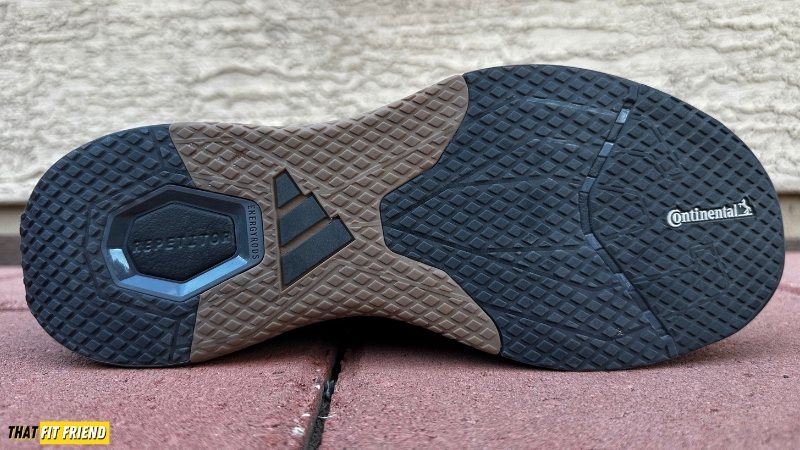
The Dropset 4 chooses a highly specialized, multi-rubber layout. The outsole splits duties by deploying ultra-durable Continental rubber through the forefoot and rearfoot to deliver dependable traction, while lining the medial midfoot wrap with a denser Adiwear rubber to withstand the brutal friction of rope climbs. Structurally, the base is flat and wide, featuring an extended heel lip that juts out rearward to maximize your foundational surface area and keep your stance firmly anchored during deep squats and cleans.
Adidas Dropset 4
$145
Pros
- Stable, yet responsive
- Good outsole grip
- Overall strong durability
Cons
- Narrow(ish) toe box
- Longevity of heel structure is so-so
- Tongue can be a little rigid
Best For
- Cross-Training
- Lifting
- CrossFit WODs
- Athletic Workouts
Specs
| Heel-to-Toe Drop | 6mm |
| Weight | 10.90 oz (size 10) |
| Width | Medium |
| Lifting Threshold | ~500 lbs |
| Run Distance Threshold | <1 mile at one time |
ALTERNATIVES
Final Remarks: Which Is Best for You?
The Forged & Tested Catalyst and the Adidas Dropset 4 are both top-tier performers, but they are built for two entirely different styles of training. Deciding between them comes down to a fundamental choice: do you want a shoe that gets out of the way to let your foot move naturally, or do you want a structured platform that guides your foot through heavy lifts and explosive intervals?
If you prefer a minimalist, low-to-the-ground feel, prioritize natural toe splay, and want a hyper-flexible shoe that forces your feet and ankles to work hard, the Catalyst is going to be your best bet. It is the ultimate “transitional” shoe that shines for deadlifts, athletic agility work, and seamless transit into daily wear.
On the flip side, if you like a more traditional cross-trainer with a solid, blocky heel base, noticeable arch support, and built-in snappiness for high-impact CrossFit WODs or short runs, the Adidas Dropset 4 is the clear winner. It will give you that structured, locked-in stability that some lifters heavily rely on when crawling under a heavy barbell.
Your Actionable Takeaway Guide
- Choose the Forged & Tested Catalyst if: You have wide feet (up to 4E), you dislike artificial midfoot arch support, you want maximum ground feel for deadlifts, and you want one versatile shoe you can seamlessly wear from a heavy lifting session straight out to daily errands.
- Choose the Adidas Dropset 4 if: You have a narrow to medium-width foot, you prefer an elevated 6mm heel drop for deep squats and cross-training, you need maximum upper structure for rope climbs, and your training includes short running intervals.
If you have any additional questions about how either of these shoes handle specific movements or workouts, drop a comment below!


Add a Comment