

That Fit Friend is reader-supported and may earn commissions through affiliate links. We also work with select brands on paid editorial partnerships. These relationships do not influence our testing methodology, product ratings, or recommendations. Read more here!
Nike versus Under Armour. It feels like the heavy weight battle of the century, two titans of the industry going to head to head. But is it really a fair comparison?
Sure, they both have an almost cult-like following. They also have very different fits and feels on the feet. When it comes to performance, they excel in different arenas, too.
The Metcon 10 is one of the best iterations of Nike’s flagship line in a long time. It harkens back to some of what made the Metcon the go-to training shoe when it was first released. The Reign 6 keeps a lot of what’s made the Reign line great, and adds a few quirks that are questionable.
If you want more of a deep dive into each model, you can check out my in-depth review of the Nike Metcon 10 here and the Under Armour TriBase Reign 6 here.
If you’re on the fence between these two models, maybe you’ve heard enough of your friends (or me) talk about both models and are interested in trying one out. Or maybe you’ve been a Metcon guy or gal for years and want to mix it up, or vice versa. Either way, I’m here to help highlight some of the similarities and differences between these two juggernauts in the training shoe space, and shine some light on where each one excels.


Performance Quick Hits
- Better for Lifting: The Nike Metcon 10 wins this one pretty handily. It’s simply a more solid shoe underfoot. The heel is more stable than the Reign 6 thanks to the TPU insert. And the midsole is denser under the forefoot and midfoot. I’ve squatted and pulled over 400 pounds in the Metcon 10 and had no issues with it compressing or bottoming out. The Reign 6 can work, but the drop-in midsole is a limiting factor and will lose stability under max load. For lifting when max stability is the goal, the Metcon 10 is the go-to.
- Better for CrossFit and Cross-Training: All of the factors that played into the Metcon 10 being better suited for lifting are the exact reasons why it is NOT the best for CrossFit and cross-training efforts. The Reign 6 has more range and is a more forgiving shoe. It is heavier, which is a knock against it if lightweight is one of the metrics you value, but it’s more flexible and responsive thanks to the drop-in midsole. The TPU insert in the heel of the Metcon 10 hurts its versatility when it comes to interval runs and athletic style movements where quickness and being light on your feet is important.
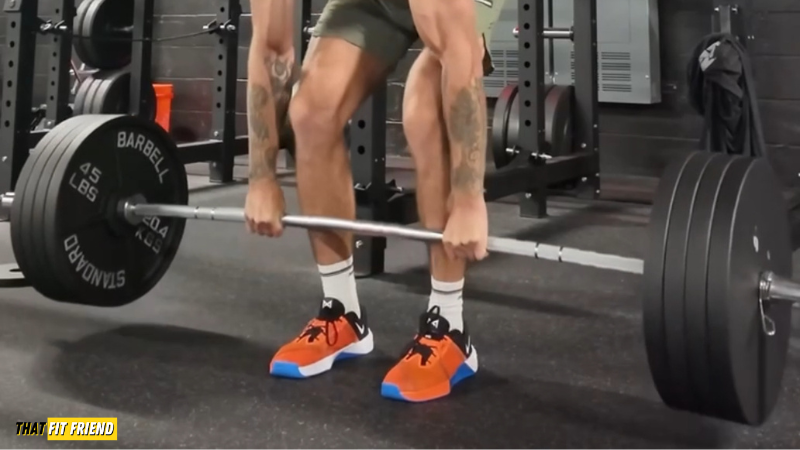
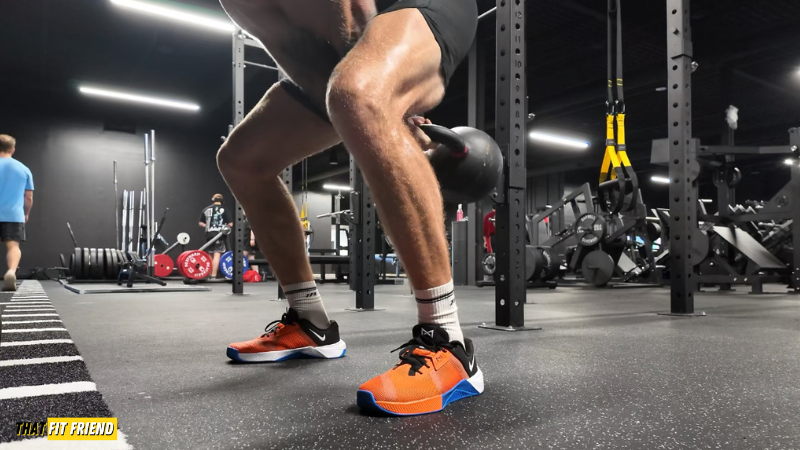


- Better for Short Runs: This one is a bit tougher. Not because they both excel, but because neither one does an outstanding job. If your workouts include some 400 or 800 meter runs on a treadmill, they’ll both be fine, especially if you’re a forefoot striker. The heavier heel in the Metcon 10 makes a heel strike very clunky and uncomfortable. For that reason, I have to give the slightest edge to the Reign 6 when it comes to short runs. For what it’s worth, I wouldn’t recommend taking either of these out for a mile or two pre- or post-workout.
- Better for Daily Wear: Under Armour is the clear winner here. If we’re talking pure aesthetics, the colorways available for the Reign 6 are more attractive and the minimal vibe hits just the right notes for a daily driver. It’s also the more comfortable shoe thanks in large part to the softer, more cushioned drop-in midsole. The TPU insert in the heel makes the Nike too uncomfortable for long duration wear.
If you stop reading here, the Reign 6 is the more versatile and comfortable shoe. The added bounce and responsiveness from the drop-in midsole help the Reign 6 better transition between the gym and daily life. If you’re looking for a shoe primarily for lifting and general strength training, though, go with the Metcon 10.
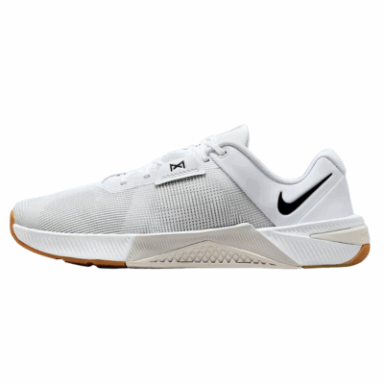
Nike Metcon 10

TriBase Reign 6
Sizing & Fit Thoughts
About My Feet: I have a normal arch/instep and my feet come in at an E/EE width. The length of my left and right foot are consistent with one another, and I size as a true US 10 for most companies’ sizing charts.
Narrow, Medium, and E/EE Foot Suggestions:
- Metcon 10: True to size.
- Reign 6: True to size.
3E+ Foot Suggestions:
- Metcon 10: Pass on these.
- Reign 6: Pass on these.
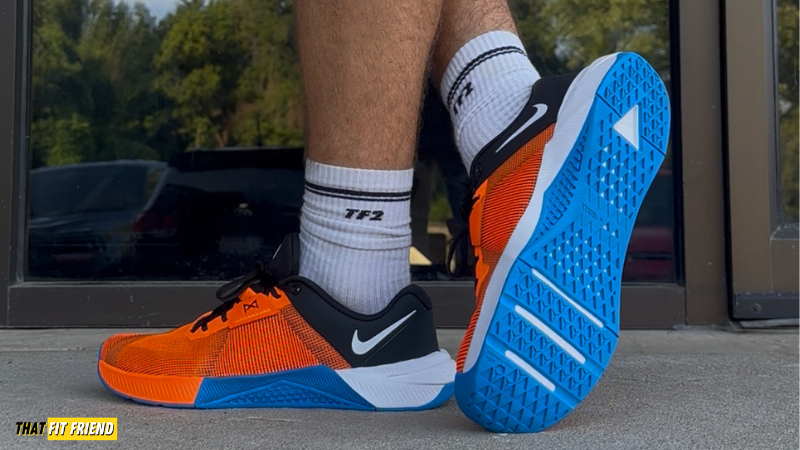


Flat Foot Thoughts:
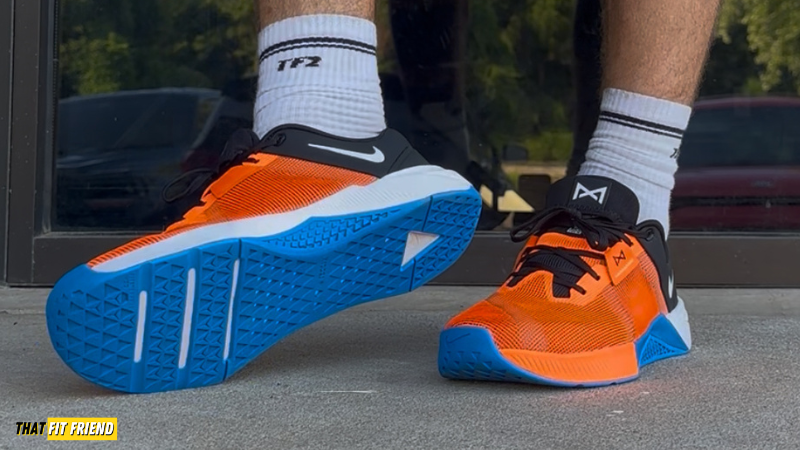
- Metcon 10: Pass on these. The aggressive taper and built out rope guard accentuate the arch quite a bit. Even removing the insole won’t give you the flatter feel that’ll make them comfortable.
- Reign 6: True to size. These work really well for flatter feet, especially with the removable drop-in midsole that gives you more of a barefoot/zero-drop feel.
Performance Analysis
Lifting: Metcon 10 Delivers More Stability
Both of these are perfectly capable when it comes to general strength training. If you’re more of a generalist that doesn’t go super heavy with the barbell, focuses more on machines and dumbbell or kettlebell accessory work, you can’t go wrong. At that point, it’ll come down to fit and feel.


The Metcon 10 is a more stable shoe underfoot thanks to the TPU insert in the heel and its denser midfoot and forefoot. The Metcon is the closest thing to being a true lifting shoe without being a true lifting shoe. The 4mm heel-to-toe drop gives it more of an elevated heel stance that makes squats more comfortable.
The Reign 6 is more than capable of training under max loads. I’ve pulled over 500 pounds in these and squatted over 405. The only knock against these when it comes to those heavy efforts is the drop-in midsole. It compresses too much and loses stability, becoming more of a liability than an asset. That said, if you take out the midsole, you get more of a zero-drop, max ground feel shoe.
Nike Metcon 10
$155
Pros
- Stable for lifting
- Athletic feeling upper
- Good for arch support lovers
Cons
- Not flat feet friendly
- Still lacks versatility
- Upper volume is hit or miss
Best For
- Lifting
- CrossFit
- Cross-Training
- Arch Support Lovers
- Low Volume Feet
Specs
| Heel-to-Toe Drop | 4mm |
| Weight | 11.80 oz (size 10) |
| Width | Medium/Wide |
| Lifting Threshold | ~455 lbs |
| Run Distance Threshold | <1,200 at one time |
CrossFit & Cross-Training: A Toss Up of Preferences
The Reign 6 is simply the more versatile shoe. It has the range needed to transition from box jumps and sled pushes to explosive Olympic lifts and athletic-style jumps and cuts. The cushioning from the midsole does a fantastic job of absorbing the impact from jumps and gives enough rebound to pop right back up.
Its only downfall is the weight. It gives the appearance of being a more minimal shoe, but its looks hide just how heavy this shoe is.

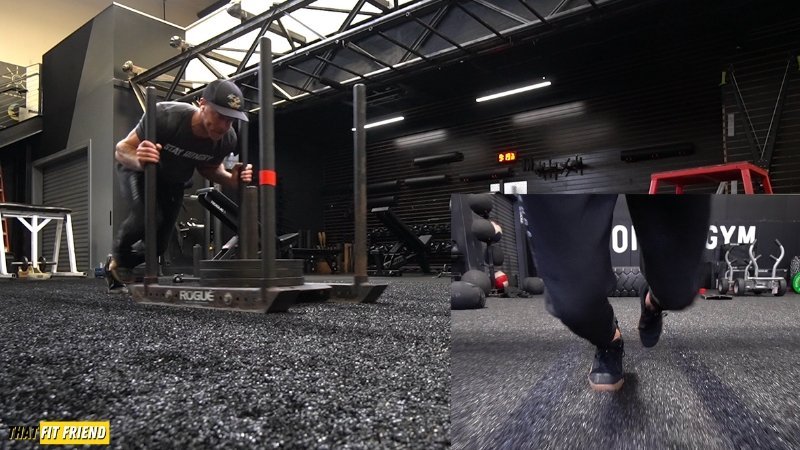
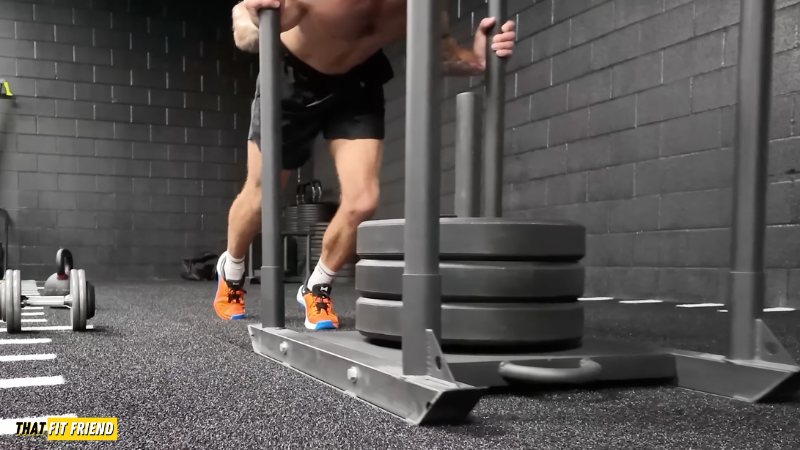
The Metcon 10 can get the job done, but it lacks the range that the Reign 6 has. It’s a bit more clunky and the dense heel feels like an anchor when explosiveness and speed is needed. It’s also not a flexible shoe by any means. All the structure that makes it a solid lifting shoe hurts when it comes to quick moves and mobility.
The 4 mm heel-to-toe drop does help make the shoe more comfortable for moves like wall balls and thrusters where ankle mobility is needed. That’s one of the things the Metcon 10 does better than the Reign 6, something to keep in mind if those moves are more common in your programming.
UA TriBase Reign 6
$130
Pros
- Flexible sole construction
- Good option for athletes
- Grippy outsole
Cons
- Drop-in midsole is an aquired taste
- Not great for thick feet
- Can feel heavy for running
Best For
- Lifting
- Athletes
- HIIT
- CrossFit
Specs
| Heel-to-Toe Drop | 2mm |
| Weight | 14.15 oz |
| Width | Medium/Wide(r) |
| Lifting Threshold | 515 lbs |
| Run Distance Threshold | <2 miles |
Short Runs: Both Can Work for Intervals
Neither of these shoes are built for running, not even a quick mile warm up or cool down. I’m definitely not taking these out for miles beating on pavement. The dense heel of the Metcon 10 makes heel striking almost painful and kills any type of heel-to-toe transition. The Reign 6, while a more comfortable shoe overall thanks to the midsole, is heavy. It gets the slight edge over the Metcon 10 based purely on comfort and the responsiveness of the midsole.

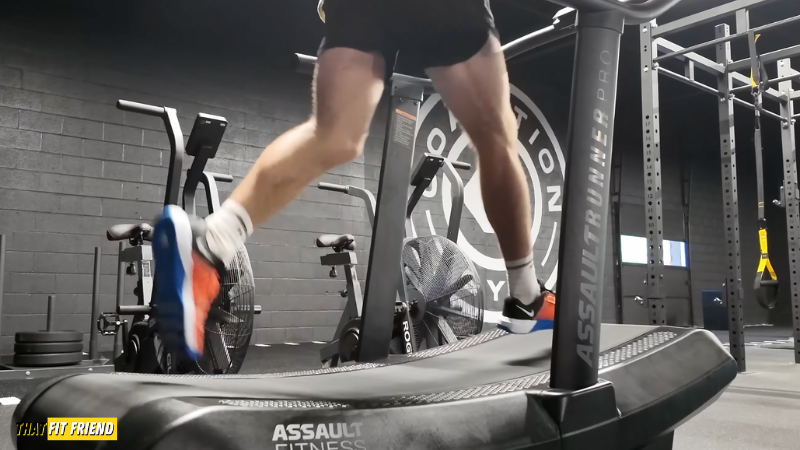
Both shoes are more than suitable, especially for forefoot strikers, for 400 and 800 meter intervals that are mixed into workouts. Anything longer than that and I’d suggest having a second pair of shoes that’s more geared towards running.
Daily Wear: Reign 6 Is More Comfy
Picking the right shoe for daily wear outside of the gym really comes down to two things: comfort and aesthetics. And on both of those points, the Reign 6 wins no question. I’m sure there are a lot of you that will disagree, but the Reign 6 is aesthetically the more attractive shoe. The minimal vibes and superior colorway options are just better than what the Metcon 10 offers.

The Reign 6 also wins in terms of comfort thanks to the midsole that’s softer than the overly dense midsole of the Metcon 10. The heel of the Metcon really starts to wear on you over longer durations too. There’s no impact absorption or cushioning in the heel and after a couple hours, you really start to notice every step. That’s not a good thing when it comes to a daily driver.
Construction Details
Midsole Comparison
- Similarities: Both shoes feature a full foam midsole that runs the length of the shoe.


- Differences: Nike’s midsole is built into the shoe and is more dense and stable than the Under Armour’s drop-in midsole. Nike also has a TPU layer built into the midsole at the heel for added stability. Under Armour’s midsole is a drop-in serving dual purposes as both the midsole and insole. It’s more cushioned and provides a softer, more comfortable ride than Nike’s. The drop-in midsole can be removed which gives the Reign 6 more of a barefoot vibe with maximum ground feel.
Outsole Comparison
- Similarities: Both shoes feature a full rubber outsole that provides stellar grip on every surface you’ll find in and out of the gym. Neither shoe exposes any of the midsole foam, a nice boost to their durability and longevity.


- Differences: The Metcon 10 features a triangle tread pattern with breaks in the forefoot for some added flexibility. The outsole exposes the TPU plate in the base at the heel and wraps up both the medial and lateral midfoot. The midfoot wraps act as both a guard for rope climbs and accentuate the arch. The Reign 6 has a full herringbone pattern underneath with pretty aggressive grooves. The TPU TriBase insert in the midfoot is exposed, a signature design move from Under Armour. The outsole does wrap up the medial and lateral sides of the Reign 6 at both the forefoot and midfoot, but unlike the Metcon 10, the wraps serve as lateral support and are not restricting around the midfoot or arch.
Upper Comparison
- Similarities: Both shoes feature a full mesh upper that transitions into a padded mesh boot. The uppers do a great job of locking down the foot and adding a nice amount of structure. Neither upper is very breathable though the Reign 6 has a bit more breathability than the Metcon 10.


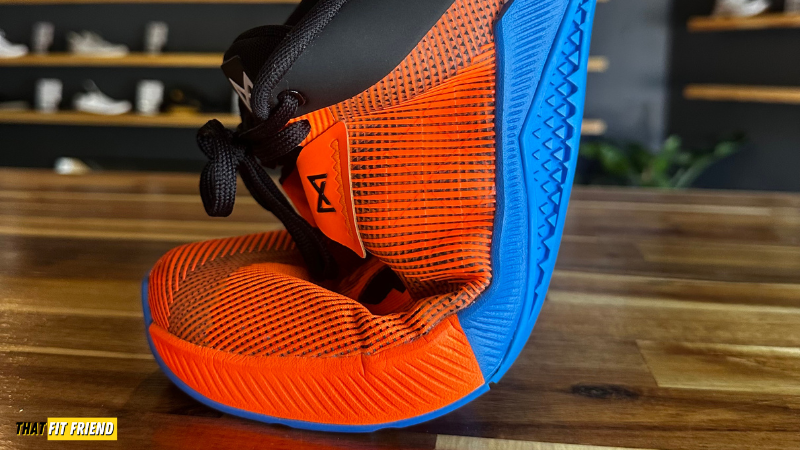

- Differences: The Metcon 10 has a lower profile upper, a limiting factor if you have a thicker foot or higher instep. The boot is also much lower profile than its predecessor, very reminiscent of the older Metcons. It gives the shoe a more sleek, athletic profile but can lead to some heel slip issues due to the overall stiffness and rigidity of the shoe. The Reign 6 has more upper volume, especially if you remove the drop-in midsole. The padded mesh boot does a better job than the Metcon 10 of locking in the heel.
Final Thoughts: Which Should You Buy
This went about as expected, not surprising when you have two titans of the industry squaring off with each other. Honestly, you can’t go wrong with either shoe. It comes down to how you like to train and your individual foot anatomy.
If your training is more lifting focused, think powerlifting or general strength training, the Metcon 10 is going to be a solid choice. Although truthfully, you can’t go wrong with either. If you want something that’s more stable and has a higher heel-to-toe drop, go with the Metcon.
If you tend to skew more CrossFit and cross-training, or prioritize comfort, the Reign 6 belongs in your gym bag. It gets bonus points for being the more comfortable and attractive daily wear shoe too.
Neither shoe is the pick if you have wider feet, think 3E or wider foot widths. Both shoes run on the narrower side. If you have flat feet or thicker feet, the Reign 6 with its removable drop-in midsole is going to give you a more comfortable ride than the Metcon 10 with its stiff and pronounced arch.
If you’ve been interested in both and on the fence, hopefully this gave you enough information to make an educated pick. I like both shoes for what they are and whichever way you decide to go, you won’t be disappointed.



Add a Comment