

That Fit Friend is reader-supported and may earn commissions through affiliate links. We also work with select brands on paid editorial partnerships. These relationships do not influence our testing methodology, product ratings, or recommendations. Read more here!
There aren’t many shoe brands as synonymous with performance as Nike. And since the first Metcon was released in 2015, the Nike Metcon line has been one of the go-to shoes for CrossFit, strength training, and sport-focused athletes. However, not every model has been a hit, especially lately.
The Metcon 9, a solid and stable lifter, made too many questionable decisions to be a true all-around performer.
When the Metcon 10 dropped, the question was obvious: Did Nike finally fix the issues that plagued the 8 and 9, or did they just put lipstick on the same tired pig?
After weeks of testing, lifting, jumping, and short runs (yes, it had to be done) in both models, I’ve got a pretty clear read on where each shoe stands out and where each fails. If you’re trying to decide between saving a few dollars on the Nike Metcon 9 or getting the latest and greatest and “upgrading” to the Nike Metcon 10, I’ve got you.


Performance Quick Hits
- Better for Lifting: The Metcon 9 features a dual-density EVA midsole compared to the 10’s React Foam midsole. Both are stable under heavy loads. The 9 gets the edge here thanks to its more aggressive TPU heel wrap that provides a more stable and secure heel. If you’re primarily focusing on strength training and traditional lifting, the 9 takes the W and will save you some money, but honestly, the 10 is equally solid here.
- Better for CrossFit & Cross-Training: You’ll see a recurring pattern here, anything involving versatility or flexibility, the edge goes to the Metcon 10. Thanks to a more flexible midfoot, improved outsole feel, and the lack of the clunky TPU wrap on the heel that’s present on the 9, the 10 is the better option here. It feels sportier, more flexible, and bouncier, very reminiscent of older Metcon models.
- Short Runs: The Metcon 10 is far more runnable — and mind you — that’s a stretch. Its React foam midsole and refined heel construction make it actually usable for short intervals ranging from 400-1,000 meters. I still wouldn’t take these out for longer runs, and if you’re a heel striker, I would pass on running altogether.
- Daily Wear: Honestly? No to both. The 9 is bulky and hot, and thanks to the redesigned upper on the 10, it feels a bit too snug and constricting for comfortable all-day wear when you want the dogs to breathe. Neither shoe is built for all-day use. Go Haze Trainer or F-Fly if you want a training shoe that can also be a daily driver.
If you’re here for a quick recommendation: go Metcon 10 if versatility matters. If you’re strictly lifting and want to save a few bucks, the 9 still holds its ground. Just keep both shoes confined to the gym.
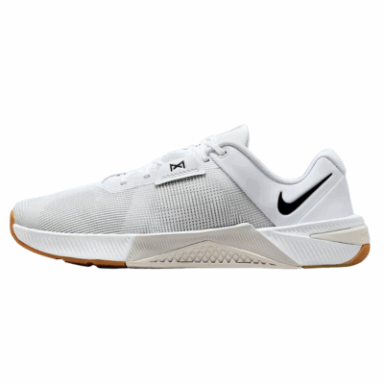
Nike Metcon 10

Nike Metcon 9
Sizing & Fit Thoughts
Specs to Know:
- Nike Metcon 9
- Weight: 13.60 oz
- Drop: 4mm
- Insole: Thin removable foam
- Nike Metcon 10
- Weight: 11.80 oz
- Drop: 4mm
- Insole: Thin removable foam

Narrow (<D) Foot Suggestions
- Nike Metcon 9: True to size.
- Nike Metcon 10: True to size.
Medium (D-E) Foot Suggestions
- Nike Metcon 9: True to size.
- Nike Metcon 10: True to size.
Wide (2E+) Foot Suggestions
- Nike Metcon 9: True to size. 3E+, pass or go up a half-size.
- Nike Metcon 10: True to size. 3E+, pass or go up a half-size.


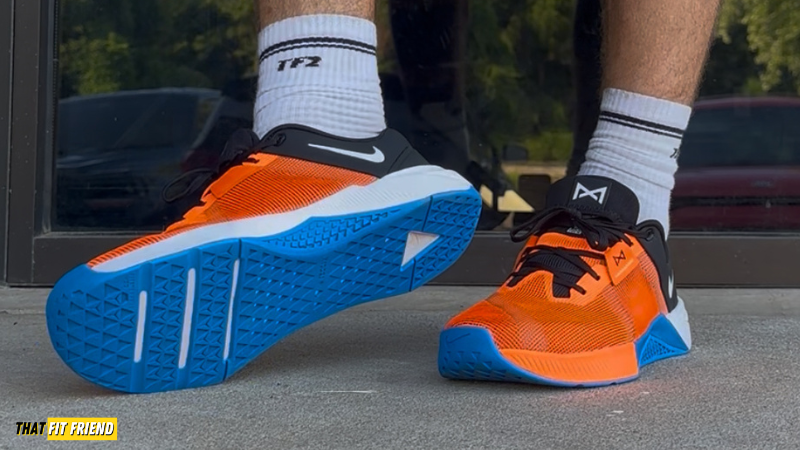
Both the 9 and 10 run true to size and Nike claims they are the same width. From the outside, that looks to be true, however, when you put them on, the 10 feels more cramped due to the lower profile upper. If you have an excessively wide (3E and up) or a thicker foot with a higher instep, I’d recommend sizing up a half size.
The 10 also has a more aggressive arch, surprising when you consider the excessive rubber rope guard on the 9. If you have a flatter foot, I think the 9 is going to be more forgiving than the 10— go figure.
It’s also worth noting that while both shoes do have a removable insole, the reduced upper volume in the 10 makes custom orthotics troublesome. You may end up too cramped through the midfoot and forefoot if you rely on them.
Performance Analysis
Lifting Faceoff
Both the 9 and 10 are strong lifting shoes, and honestly, you can’t go wrong with either option.
The Metcon 9 feels wider thanks to having more upper volume and the dual-density EVA foam midsole is stable under the heaviest of loads. The TPU wrap around the heel adds to that stability, giving you a truly locked in and grounded feel under the bar. It’s solid for squats, deadlifts, and leg press work.
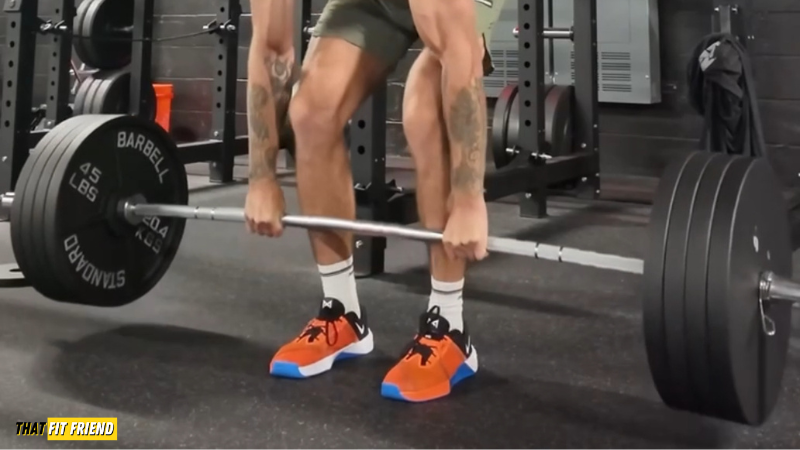


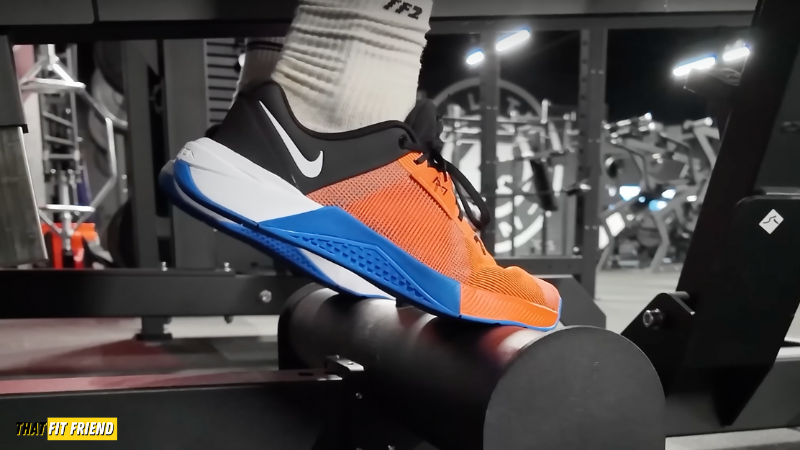
The Metcon 10 is nearly as stable with its full React foam midsole. It holds up better than expected for something that’s supposedly a more comfortable and pliable ride. The TPU wrap from the 9 is gone and has been replaced with a TPU heel plate, Nike’s Hyperlift plate, built into the shoe. It doesn’t feel quite as firm as the 9 under the heel, but it’s close. What it lacks in stability, it makes up for in versatility.
Winner: Again, you can’t really go wrong with either option. If you want a shoe for strength training that has good arch support and versatility, go with the 10. If you want something that’s strictly for static lifting and want to save a few bucks, grab the 9. Either way, you won’t be disappointed.
Nike Metcon 9
$150
Pros
- Dual-density midsole is great for heavy lifting
- Wider toe box is awesome for toe splay
- Upper promotes durability in CrossFit workouts
Cons
- TPU heel can still feel clunky
- Not great for running and HIIT
- Lacks breathability and rope guards can feel bulky
Best For
- Lifting
- Athletes
- CrossFit
- Wide(r) Feet
Specs
| Heel-to-Toe Drop | 4mm |
| Weight | 13.15 oz |
| Width | Medium/Wide |
| Lifting Threshold | ~515 lbs |
| Run Distance Threshold | <1 mile |
CrossFit & Cross-Training Clash
CrossFit and cross-training demand versatility, and that’s where the Metcon 10 comfortably wins.
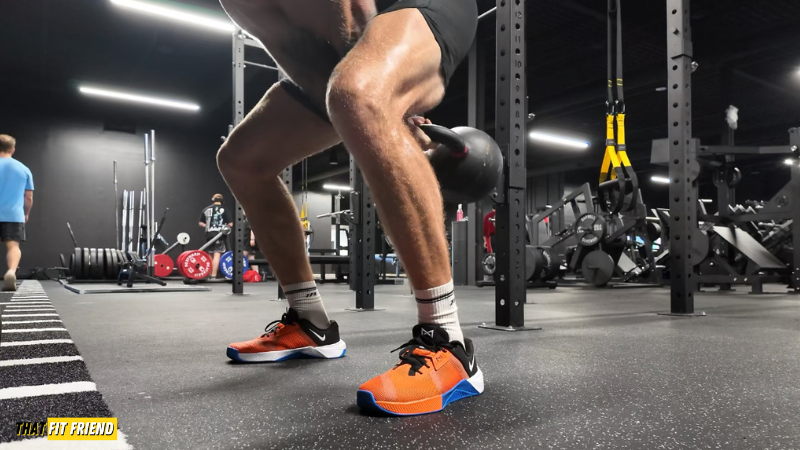
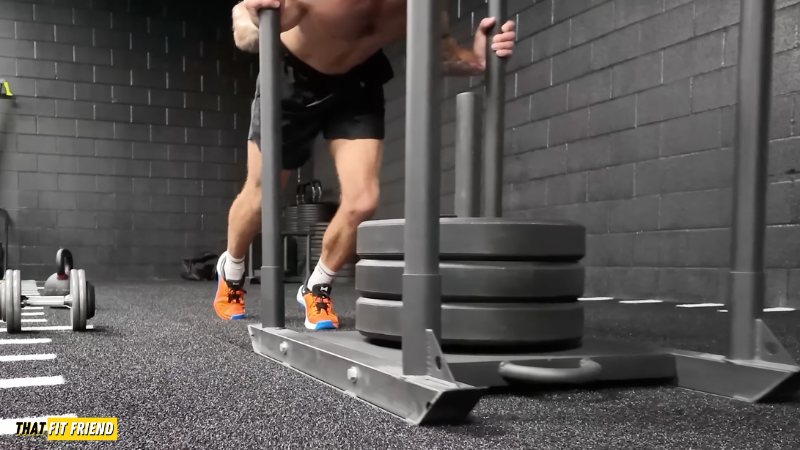
The React foam through the forefoot is far more forgiving when you’re jumping, landing, or transitioning through dynamic movements. The full rubber outsole has added breaks in the forefoot, improving its flexibility. It also loses the clunky TPU wrap that juts out at the heel, and it gets rid of the excessive rubber rope guard along the medial midfoot. All of that combines to give it a much more naturally athletic feel that transitions nicely from lifts to conditioning.
The Metcon 9, while stable, feels clunky in these environments. The rubber rope guard and TPU heel wrap aren’t just excessive, they actively get in the way.


Winner: This one goes to the Metcon 10. More versatile, better flexibility and responsiveness, it’s a more athletic shoe all-around.
Nike Metcon 10
$155
Pros
- Stable for lifting
- Athletic feeling upper
- Good for arch support lovers
Cons
- Not flat feet friendly
- Still lacks versatility
- Upper volume is hit or miss
Best For
- Lifting
- CrossFit
- Cross-Training
- Arch Support Lovers
- Low Volume Feet
Specs
| Heel-to-Toe Drop | 4mm |
| Weight | 11.80 oz (size 10) |
| Width | Medium/Wide |
| Lifting Threshold | ~455 lbs |
| Run Distance Threshold | <1,200 at one time |
Short Run Showdown
I struggle with both of these for runs to be honest. Neither one is built for it. Especially the 9. The heel TPU wrap juts out so far that if you’re a heel strike runner, every stride will feel clunky and awkward. It’s passable on an Assault Runner or if you’re strictly a forefoot and midfoot striker, but that’s about it. And even then, I’m not taking it beyond a 400-800 meter intervals.
The Metcon 10, on the other hand, is more runnable. The full React foam midsole gives you a bit more bounce and responsiveness, and without that TPU heel wrap, the transitions are smoother. If you’re a midfoot or forefoot striker, the 10 actually feels competent for intervals up to 1000 meters. Not a dedicated running shoe, and it’s clunky if you’re a heel striker, but it is more usable.
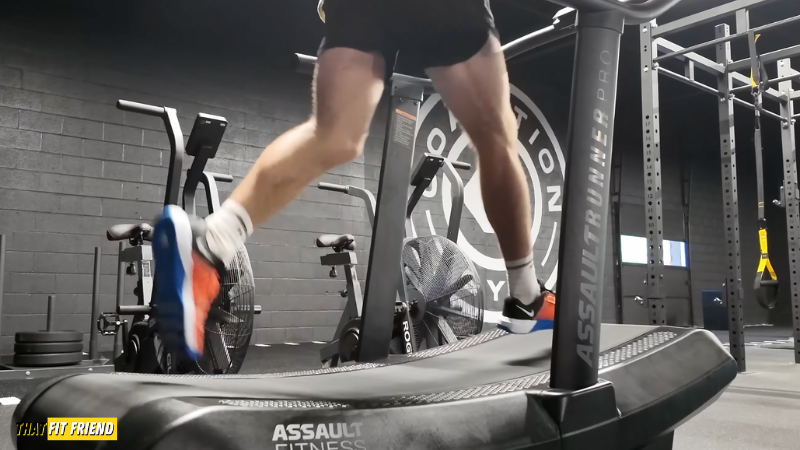

Winner: This one also goes to the 10, though, if you’re a heel strike runner, maybe find something else entirely.
Daily Wear Debate
No. Just no. I don’t love either of these for daily wear. And I know, “They’re built for the gym, why do you test them for this?” Because a lot of people in the real world like to use their trainers for everything. I always like to assess a shoe for how people are actually going to be wearing them, not just the perfect theories for which they’re built.
The Metcon 9 is heavy and bulky. The upper isn’t breathable and the heel juts out awkwardly when walking. The Metcon 10 feels tighter and almost too snug. The longer I had them on, the more constricting they felt.
Winner: If you need something you can wear to and from the gym, either will do. But if you want something that you can wear before and after, look elsewhere.
Construction Details
Midsole
- Similarities:
- Both shoes feature a removable insole over a foam midsole that runs the length of the shoe.


- Differences:
- The Metcon 9 uses dual-density EVA foam midsole that is more dense and less pliable than the 10. It also features a large TPU heel wrap that juts out which is great for stability and bad for versatility.
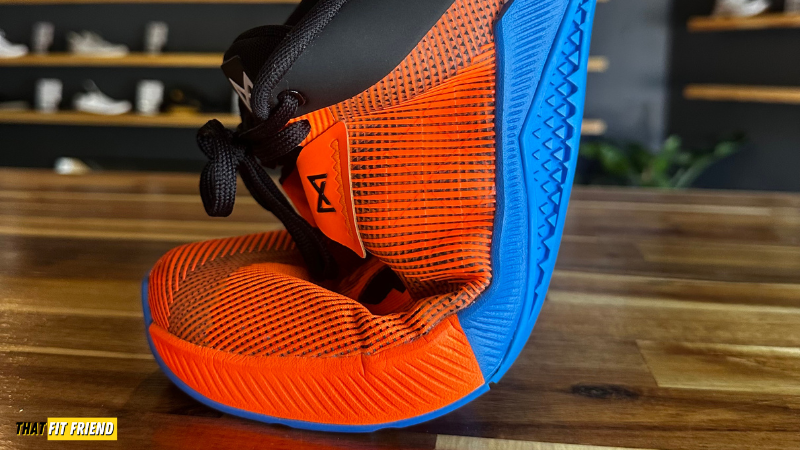
- The Metcon 10 uses full-length React foam, which offers more bounce and flexibility. In place of the TPU wrap, Nike’s Hyper Lift TPU heel plate is integrated into the midsole under the heel.
Outsole
- Similarities:
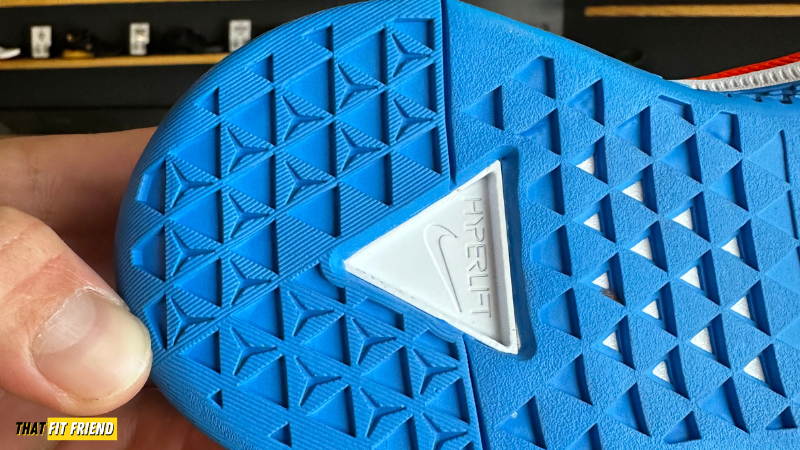
- Both shoes feature a full rubber outsole with breaks for added flexibility and an extended outsole up the toe for durability.


- Differences:
- The Metcon 9 features a herringbone tread pattern with breaks at the midfoot that frame the rubber rope guard.
- The 10 swaps out the herringbone for a triangular tread pattern that runs from the forefoot through the heel. It features additional breaks in the forefoot for the flexibility that was sorely missing in the 9.
Upper
- Similarities:
- Both use mesh-based uppers with haptic overlays for structure. They both also have a medial bias through the forefoot that is accentuated by the haptic overlays. At the back, both models feature a padded mesh boot.


- Differences:
- The 9’s mesh is a chainlink pattern running from the forefoot through the midfoot. It’s broken up in the middle by the excessive rubber rope guard, before transitioning into the padded mesh boot. The boot sits a bit higher on the ankle which is a bonus for added lockdown and ankle stability.
- The 10 uses a lighter, layered mesh pattern that flows from the forefoot into the padded mesh boot at the back. The boot itself is a lower profile design which helps with breathability but sacrifices the lockdown and stability of the 9’s higher boot.
Lacing & Tongue
- Similarities:
- Both shoes feature the standard 5 core eyelets and a gusseted padded mesh tongue.


- Differences:
- The Metcon 9 has a more traditional lacing system with its 5 core eyelets and a 6th for lace lock.
- The Metcon 10, while it does have 5 core eyelets, the middle eyelet is larger, providing more lockdown over the forefoot and closer to the ankle, leaving the arch a bit more room to breathe and flex. The tongue on the 10 also has a pocket added to it to tuck the laces into, a nice bonus feature that’s overlooked in a lot of shoes.
Final Thoughts
The Nike Metcon 10 is a welcome step in the right direction. It’s still not perfect and it still doesn’t feel quite like the older Metcons that we all fell in love with. But it brings the line back toward what made it great: flexibility, versatility, and real gym utility.
The Nike Metcon 9 is more of a lifter’s shoe. If all you want to do is load up a barbell and chase PRs, it’s still a great option, especially now that you can find it on sale. If you want something with versatility and more athleticism though, the 9 won’t cut it.
At the end of the day, grab the Metcon 9 if you lift heavy, rarely run, and want a budget-friendly gym shoe. Or pick up the Metcon 10 if you train hard, move fast, and want your shoe to keep up across the board.



Add a Comment