

That Fit Friend is reader-supported and may earn commissions through affiliate links. We also work with select brands on paid editorial partnerships. These relationships do not influence our testing methodology, product ratings, or recommendations. Read more here!
Nike Metcon, Nike Free Metcon, what’s the difference? If you’re new to the world of Nike Metcons and all of their variations, it can be easy to get confused and feel torn on which to buy, especially when Nike has two strong training shoes with similar names.
The overlap between the Nike Metcon 10 and Nike Free Metcon 6 is pretty big. Both target lifters, CrossFit athletes (to an extent), and those who like to train athletically in the gym. They take very different approaches to performance in those arenas.
The Metcon 10 leans into stability, density, and is better suited for heavy lifting and CrossFit. The Free Metcon 6, on the other hand, embraces versatility, comfort, and has a more athletic style, think hybrid, cross-training in mind.
Both are solid. Both have clear strengths. And, more importantly, both have quirks you’ll want to know before buying. I’ve lifted, sprinted, jumped, climbed, pushed, pulled, and worn both as a daily driver to see where each model shines and where it struggles.
Spoiler: You probably don’t need both, though together they cover every training modality and daily wear scenario you can think of. If you only want one pair, make sure to match the right shoe to your training style. You’ll be a lot happier.

Performance Quick Takes
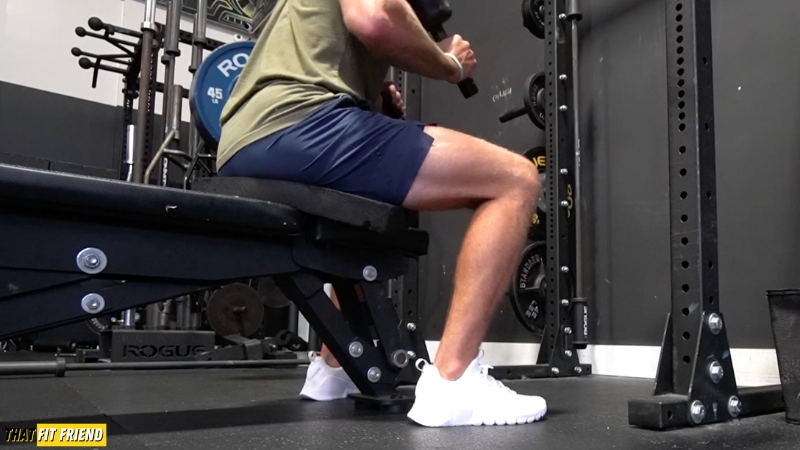
- Better for Lifting: The Metcon 10 features Nike’s React Foam midsole and has their Hyperlift TPU plate built into the heel for additional stability. The clear edge here goes to the Metcon 10, especially if you need max stability for squats, deadlifts, and machines.
- Better for CrossFit: The Metcon 10 gets the edge again here, for the most part. It really comes down to programming. If your gym skews more toward heavy strength and power movements and rope climbs, the Metcon 10 is better suited for your needs. If your gym skews more towards jumping and interval runs, the Free Metcon 6 may be the better bet.
- Better for Cross-Training: The Free Metcon 6 takes the edge here. When I say cross-training, I mean classes, HIIT, and more athletic-style workouts. The Free Metcon 6’s more responsive midfoot and forefoot, and overall better flexibility makes it the clear winner.
- Better for Short Runs: The Free Metcon 6 takes the clear W when it comes to runs for all the same reasons I listed for cross-training. You can generally get away with running 400-1,200 meter intervals and 1-2ish miles in the Free Metcon 6 fairly comfortably. Metcon 10 can work for short intervals, but that’s it if you care about ride comfort.
- Better for Daily Wear: The Free Metcon 6 is hands down the most comfortable, relaxed, and lightweight shoe to wear throughout the day. You can wear the 10 for daily wear, but I’m big on walking and standing comfort, and these just don’t deliver to the standards I look for.
- Better for Your Wallet: If you’re more of a generalist in terms of training and consider yourself a price-conscious buyer, the Free Metcon 6 is going to be a bit easier on your wallet. The Metcon 10 is priced at $155 compared to the Free Metcon 6’s $125.
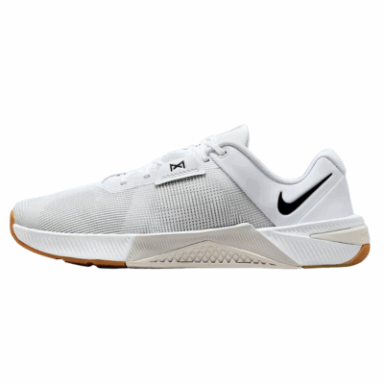
Nike Metcon 10
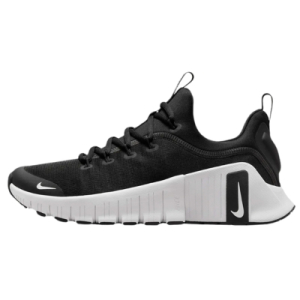
Free Metcon 6
Sizing & Fit
About My Feet: I have a normal arch/instep and my feet come in at an E/EE width. The length of my left and right foot are consistent with one another, and I size as a true US 10 for most companies’ sizing charts.
Specs to Know
- Nike Metcon 10
- Weight: 11.85 oz
- Drop: 4mm
- Insole: Thin removable foam
- Nike Free Metcon 6
- Weight: 10.64 oz
- Drop: 5mm (not disclosed)
- Insole: Thin removable foam

Narrow (<D) Foot Suggestions
- Nike Free Metcon 6: True to size.
- Nike Metcon 10: True to size.
Medium (D-E) Foot Suggestions
- Nike Free Metcon 6: True to size.
- Nike Metcon 10: True to size.
Wide (2E+) Foot Suggestions
- Nike Free Metcon 6: True to size. 3E+ will likely want to pass.
- Nike Metcon 10: True to size. 3E+, pass or try going up a half-size.
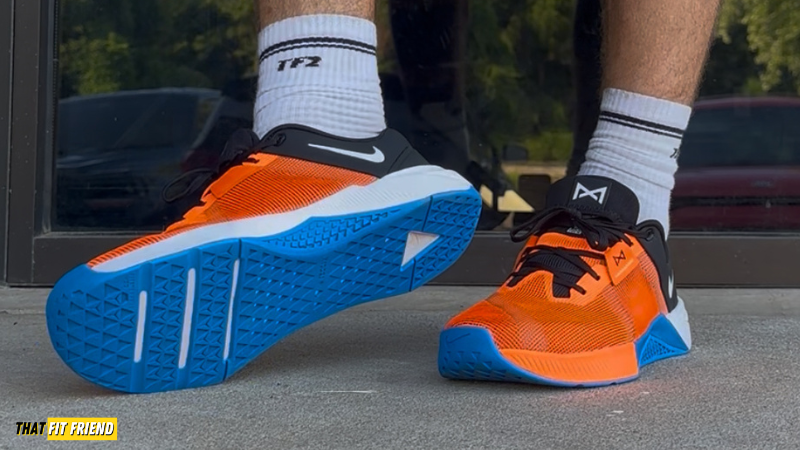

Both the Metcon 10 and Free Metcon 6 run true to size. Regardless of which way you go, if you currently wear Nike’s, stick to your normal Nike size and you’ll be just fine. Something to note about both of these shoes is that I think they can be a little problematic for those with thick feet and high insteps.
The low volume upper in the Metcon 10 can be a bit problematic and the Free Metcon 6’s bootie-style construction can be problematic for getting the feet in and out of these shoes. Yes, it’s a thing and if you’re not a fan of bootie-style shoes, you’ll want to consider this. Read the comments on FM6 review video on YouTube for additional insights on what others have shared if you’re nervous.
For the Metcon 10, if you have an excessively wide foot (3E+) or a thicker foot, size up half a size. The Free Metcon 6 should fit true to size for most foot widths up to 3E+ width feet.
Both shoes have a thin removable insole and a pronounced arch. The arch is less noticeable in the Free Metcon 6 over time due to the softer Free Midsole that breaks in and runs throughout the forefoot and midfoot.
Performance Analysis (Expanded)
Lift Off
If your main goal is maximum stability and heavy training (350+ lbs on the bar), the Metcon 10 is your shoe. The React foam is denser, the Hyperlift TPU insert gives added stability to the heel, and the low-profile upper keeps you locked in.
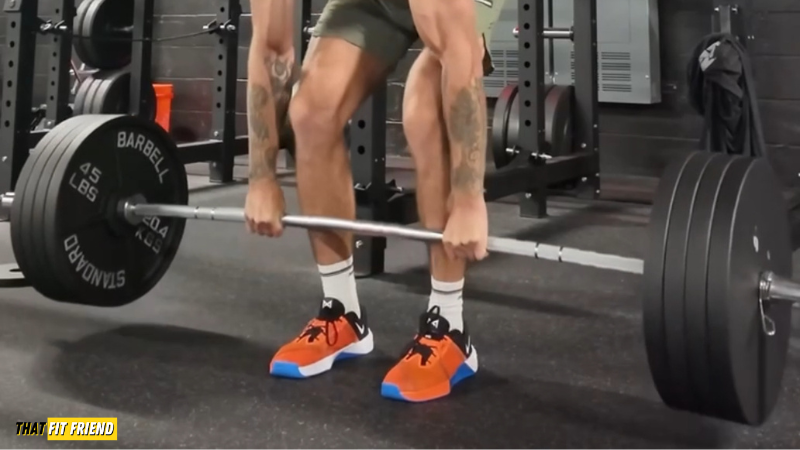

I’ve deadlifted over 400 lbs in this shoe with no issues, and some of my friends who push far heavier weights than me have reported enjoying the Metcon 10’s overall stability. The rubber outsole also has a good tread for lifting on different surfaces. There are also grooves in the outsole’s forefoot to promote flexibility when hitting legs.
The Free Metcon 6 can handle decently heavy loads, too, but I’d recommend staying below 365 lbs or focusing on machine work. It’s not my first pick for max-effort work. It’s a solid pick if you’re more of a generalist in the gym and like to do a bit of medium-weight lifting with some hypertrophy and accessory movements.

Winner: Nike Metcon 10 for max stability. For beginners, generalists, and those not going crazy heavy and prioritizing versatility WITH their lifting, go Free Metcon 6.
Nike Metcon 10
$155
Pros
- Stable for lifting
- Athletic feeling upper
- Good for arch support lovers
Cons
- Not flat feet friendly
- Still lacks versatility
- Upper volume is hit or miss
Best For
- Lifting
- CrossFit
- Cross-Training
- Arch Support Lovers
- Low Volume Feet
Specs
| Heel-to-Toe Drop | 4mm |
| Weight | 11.80 oz (size 10) |
| Width | Medium/Wide |
| Lifting Threshold | ~455 lbs |
| Run Distance Threshold | <1,200 at one time |
CrossFit Face Off
The Metcon 10 takes the edge and it a little more “optimized” for CrossFit, but this one really comes down to your gym’s programming.
If your programming is heavy on heavy strength training, rope climbs, and explosive power work, the Metcon 10 wins thanks to its durability and stability. It seems to have better durability than the 9 thus far, and Nike removed the split on the outsole that could be prone to ripping from rope climbs.
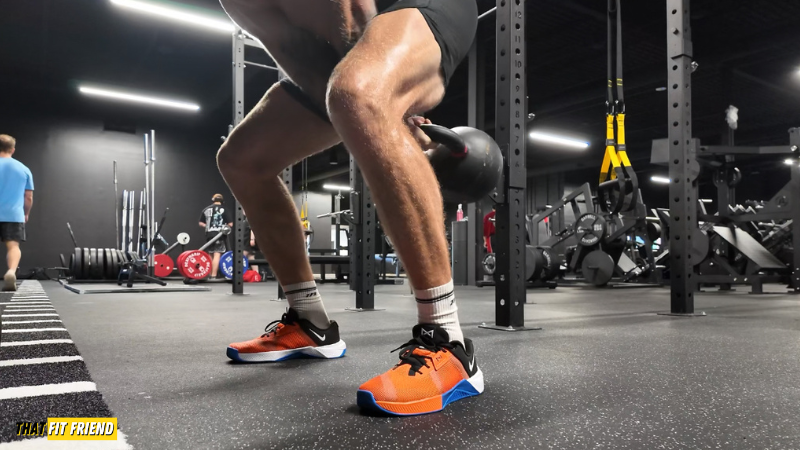
Even though they reworked the midfoot rope guards and extended outsole wraps, the 10 doesn’t lose out on rope climbing bite and I wouldn’t stress that. It feels a lot more like the older Metcons for WODs, which I personally enjoy. Nostalgia mixed with better performance than the clunky 7, 8, and 9.
If your gym’s WODs skew toward more interval running, jumping, and agility work, the Free Metcon 6 will feel more natural and seamless between movements. You can use the FM6 for CrossFit, they’re just not overall pick due to their durability and stability shortcomings.
Winner: Metcon 10, but the FM6 can work depending on your gym’s programming.
Cross-Training Showdown
To be clear, yet again, when I say cross-training in this article, I mean HIIT, classes, circuit training, and athletic workouts. The Free 6 is simply more forgiving and responsive than the Metcon 10. The midsole has more give, the toe box is roomier, and it transitions better between lifting, cardio, and agility.
I wear my Free Metcon 6 for workouts where I’m jumping, lifting, and transitioning between different exercises at a fast pace. My girlfriend who is an avid F45 fan wears the FM6 for her workouts and also enjoy them. In her words, “They’re comfy and bouncy enough for F45 and they look cute.”
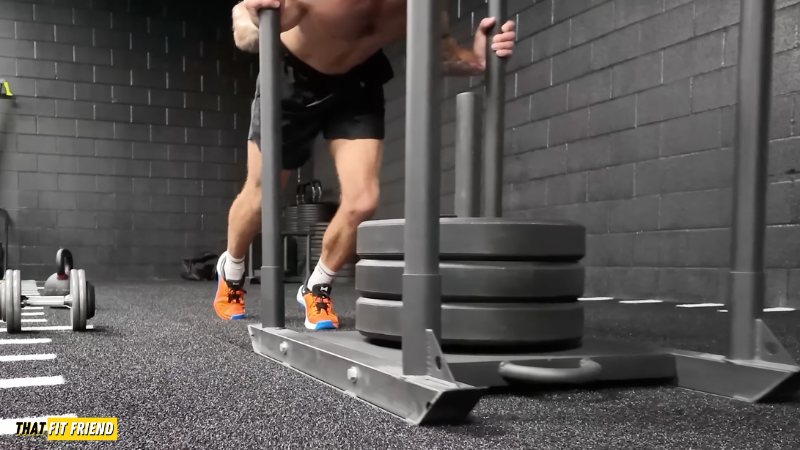
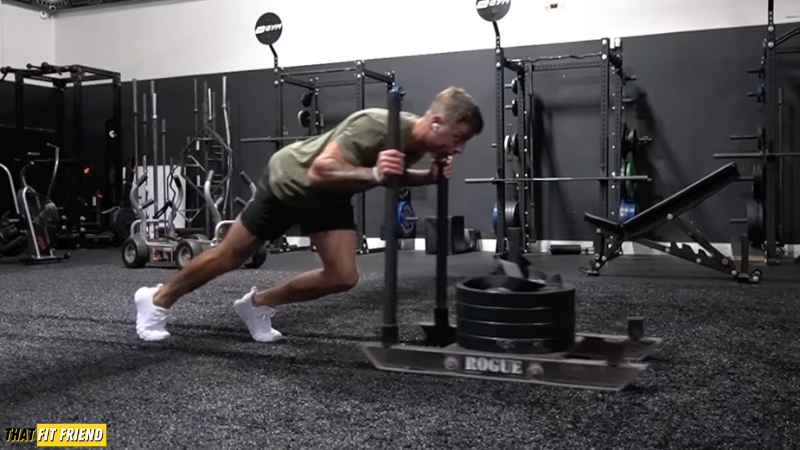

My only caveat with the Free Metcon 6 is that they can have some durability issues when pushing heavy heavy sleds (5+ plates) on turf. Peep my full review for more on that, though.
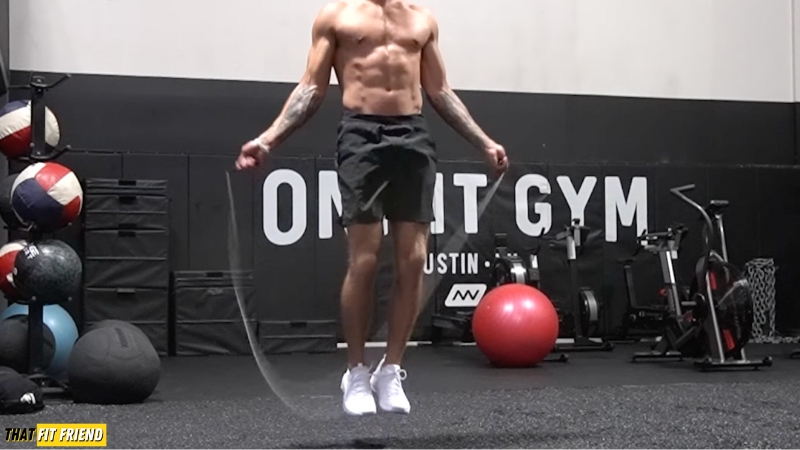
The Metcon 10 can be a decent option for cross-training for the athlete who hits strength and power exercises and likes to jump and sprint, too. The React foam midsole in the forefoot has a nice pop to it and it works well for movements like cutting, box jumps, jump rope, and lateral hops.
Winner: Both can work. Free Metcon 6 is more comfortable and takes the edge for a heavy versatility bias where ride comfort is also a consideration.
Nike Free Metcon 6
$125
Pros
- Free Midsole Is Responsive
- Good Flexbility Throughout
- Works Great for Classes
Cons
- Forefoot Durability Can Be Spotty
- Boot Can Be a Miss for Thick Feet
- Tough to Clean
Best For
- Recreational Lifting
- HIIT
- Classes
- Hybrid Workouts (short runs)
Specs
| Heel-to-Toe Drop | 5-6mm (allegedly) |
| Weight | 12.1 oz |
| Width | Medium |
| Lifting Threshold | ~365 lbs |
| Run Distance Threshold | ~2 mi at one time |
Short Run Breakdown
The Metcon 10 is too stiff and unforgiving for runs for most lifters and athletes. Sure, it can work for shorter intervals (400-1,000 meters) if you keep them confined to a treadmill or Assault Runner.
The Free Metcon 6 can comfortably handle runs up to a couple of miles. Its sweet spot is 400 m to 1,800 meters.
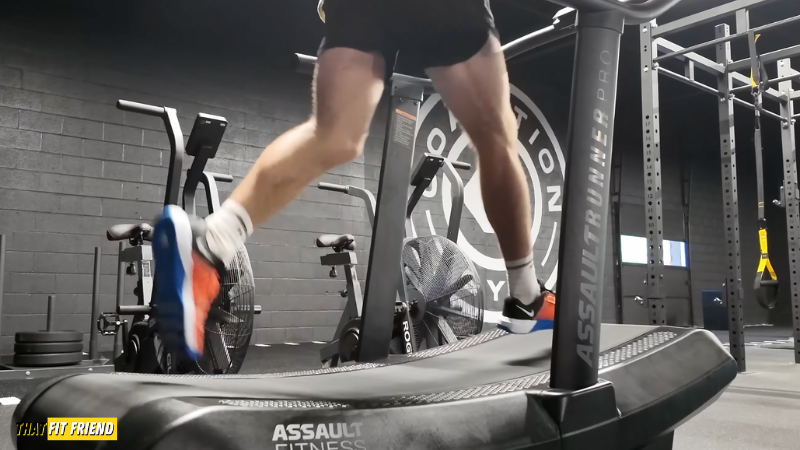
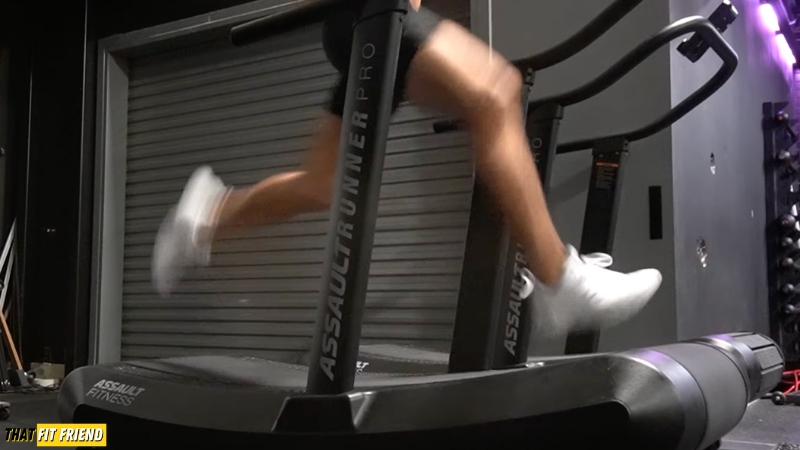
Winner: When in doubt, if a big ask for you is short interval runs or chill pre and post-workout runs, then opt for the Free Metcon 6.
Daily Wear Debate
The Free Metcon 6 wins this one hands down. The Free foam midsole, the spacious toe box, the bootie-style construction, they all combine for a more comfortable ride.
Whether you’re walking the dog, running errands, or working away at a local coffee shop or in the office, the Free Metcon 6 is going to be more forgiving than the Metcon 10.
Winner: Nike Free Metcon 6. Enough said.
Construction Breakdown
Midsole
- Similarities
- Both shoes feature a foam midsole that runs the full length of the shoe. They also both have a removable foam insole.

- Differences
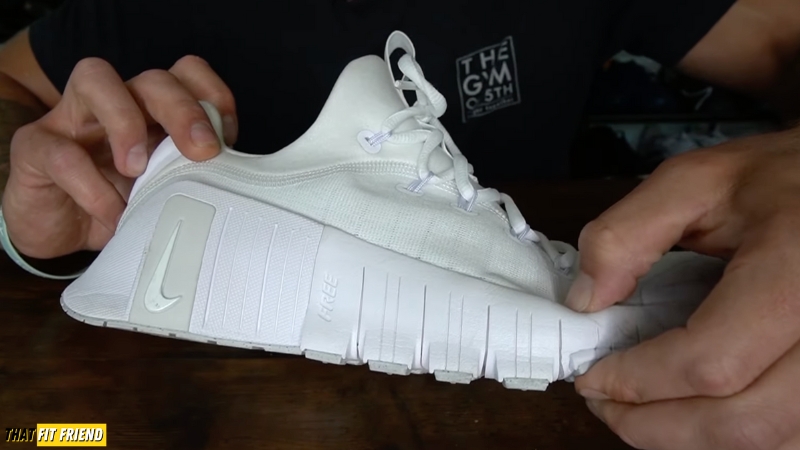
- The Free Metcon 6 is built on Nike’s Free midsole. It’s softer and more flexible through the forefoot and midfoot than the Metcon 10. It’s also noticeably more forgiving and responsive for shorter jogs, walking, and HIIT training. The midsole foam transitions to a denser heel with a beveled edge. That makes transitions feel smoother during class workouts or short intervals.
- The Metcon 10 utilizes Nike’s React foam midsole. It’s a denser foam that runs the full length of the shoe, offering more stability than the Free 6. Nike did improve the midsole over previous models giving the forefoot more flexibility. The Metcon 10 benefits from Nike’s TPU Hyperlift heel plate that’s built into the heel of the shoe for added stability. It’s great for squats and cleans, less great for running or jump work.
Outsole
- Similarities
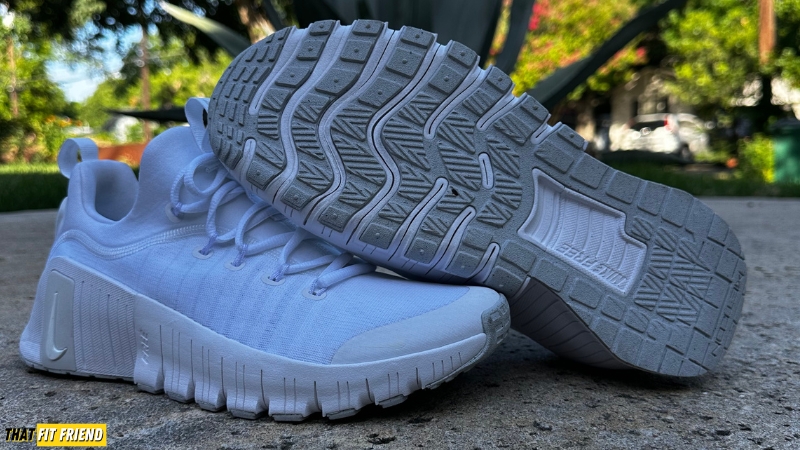
- Both shoes have a full rubber outsole that extends up the toe with a medial bias. They also both have breaks through the forefoot for added flexibility.

- Differences
- The Free Metcon 6’s rubber tread has breaks in the forefoot that expose foam. What you gain in flexibility you lose in durability and longevity. The grip is solid, but outdoor or heavy turf use can chew it up and break it down faster than I prefer. The cutouts in the foam also have a predisposition to collecting rocks or debris.
- The Metcon 10’s full rubber outsole features a triangular lug pattern that has superior grip on nearly every surface you’ll find in and out of the gym. The breaks in the forefoot and cut out in the heel give it a bit more flexibility than it’s predecessors without exposing the foam midsole.
Upper
- Similarities
- Both use a mesh base for their upper and have a slight medial bias through the forefoot.



- Differences
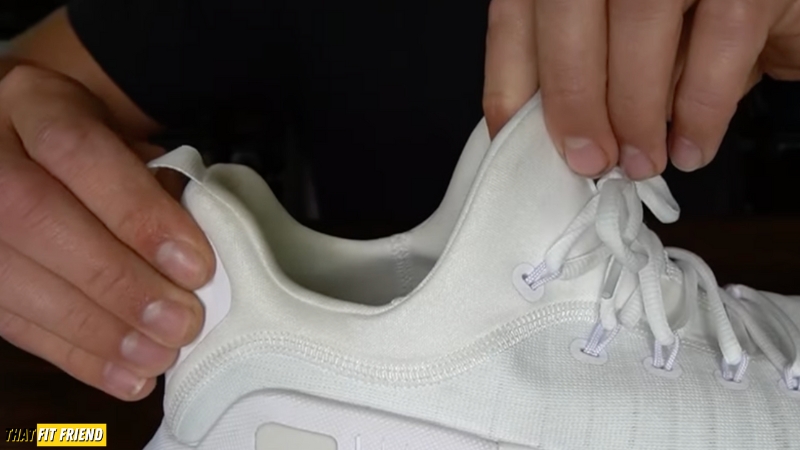
- The Free Metcon 6’s mesh upper runs from the forefoot into the midfoot. It has synthetic overlays and a booty-style construction around the ankle. It’s secure enough and breathable enough to make it a very comfortable, slip-on-slip-off shoe. The padded mesh heel extends higher up the ankle for added security and less heel slip.
- The Metcon 10’s mesh upper runs from the forefoot through the midfoot and features haptic overlays. It feels heavier and is less breathable than the Free Metcon 6. It also has a lower-profile padded boot and silhouette. The boot sits lower on the ankle which can be prone to heel slip on certain foot anatomies.
Lacing & Tongue
- Similarities
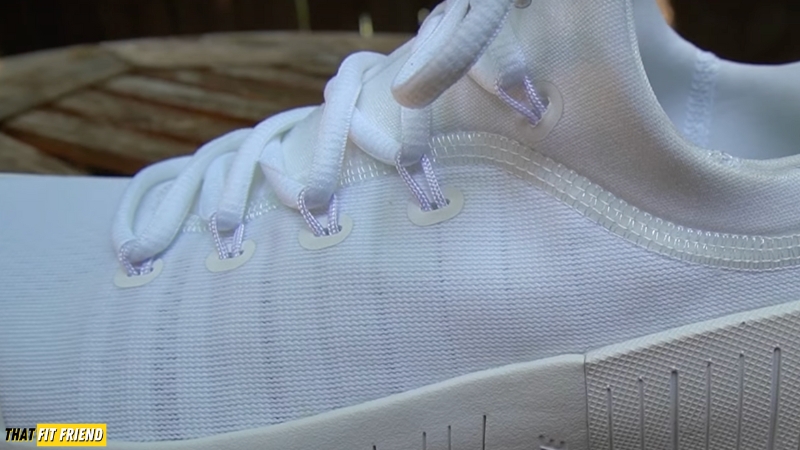
- Both shoes feature 5 core eyelets and that’s where the similarities end.


- Differences
- The Free Metcon 6’s eyelets are held in place with Nike’s Flywire technology. The booty style construction means there’s not separate tongue.
- The Metcon 10’s middle eyelet is more aggressive than a typical eyelet. It’s rigid on both the lateral and medial sides for lateral lockdown. Underneath the laces it’s a padded mesh tongue that has a pocket for lace tuck, a nice bonus that you don’t see too often.
Final Remarks
If your training is stability-biased with an emphasis on heavy lifts, CrossFit, and minimal running, the Nike Metcon 10 is your clear winner. The React foam midsole, Hyperlift insert, and low-profile build keep you grounded and stable under serious weight.
If your training is versatility-biased featuring HIIT, classes, short runs, and athletic circuits, the Nike Free Metcon 6 is going to feel better on your feet and be the overall safer bet. It’s softer, more forgiving, and more comfortable for everything from mixed workouts to casual wear.



Add a Comment