


That Fit Friend is reader-supported and may earn commissions through affiliate links. We also work with select brands on paid editorial partnerships. These relationships do not influence our testing methodology, product ratings, or recommendations. Read more here!
Up until this year, On was never really in consideration for shoes that you’d use for heavier strength training. Sure, we had shoes built for cross-training like the On Cloud X 4, but once you pushed past 275 lbs, you’d start to notice the midsole compress.
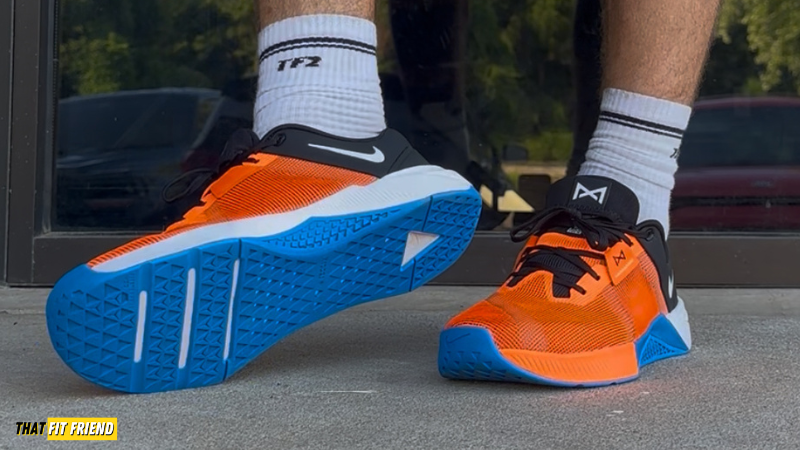
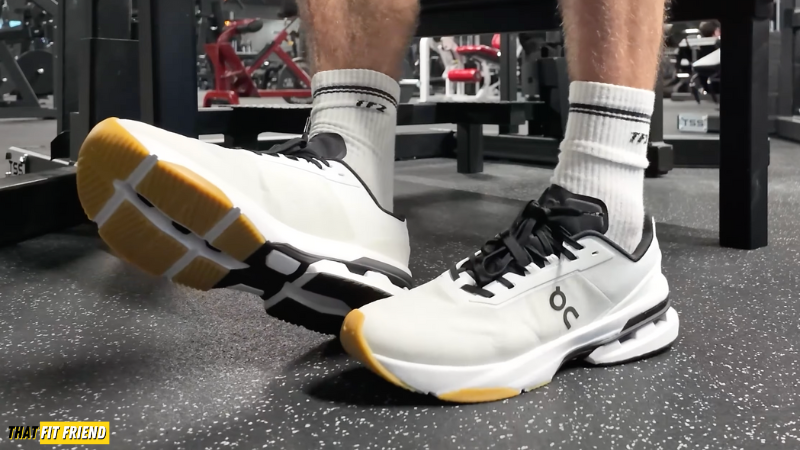
In comes the CloudPulse Pro from On, a shoe built for lifting that can actually stand up to heavier strength work, and go toe-to-toe with other big brands’ strength-focused shoes like the Nike Metcon 10.
I’ve had a lot of asks on my YouTube channel and Instagram page about the Metcon 10 versus the On CloudPulse Pro, and which one someone should go with for their lifting and gym sessions. After testing both shoes extensively, here are the nitty-gritty details that you should know before investing.
Comparison At a Glance
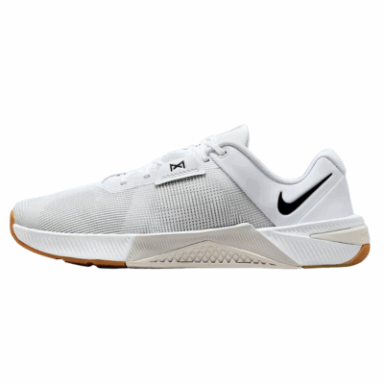
Nike Metcon 10
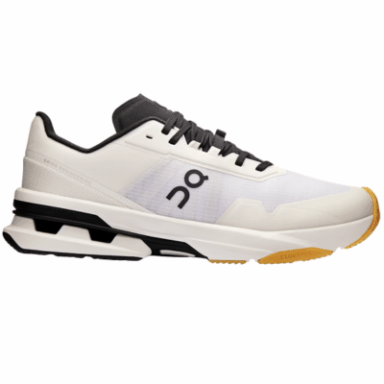
On CloudPulse Pro


Performance Breakdown
For my testing, I made sure to push these shoes in four key performance areas. Lifting, cross-training (CrossFit for the Metcon 10), short runs, and daily wear. Since these shoes cost a pretty penny, I wanted to know how much versatility you can really get from them.
Which Is Better for Lifting?
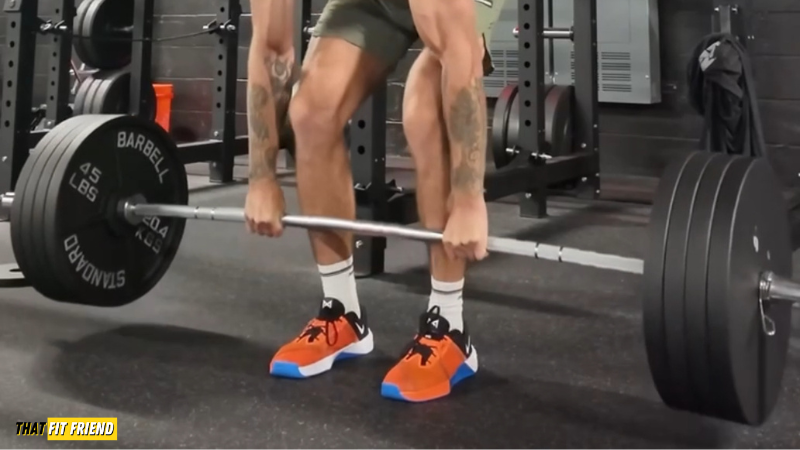
For pure lifting, both of these shoes perform really well, and for the general gym-goer, I wouldn’t necessarily stress the stability that comes with each. In my testing, both of these shoes have worked well for deadlifts up to 405 lbs and squats up to 325 lbs.
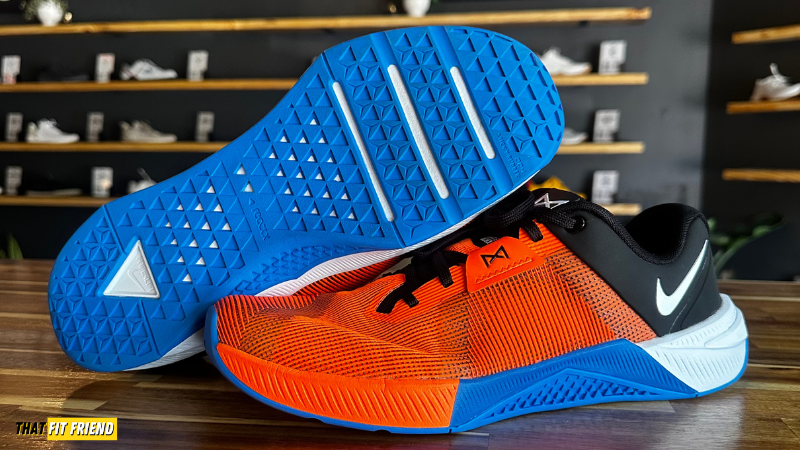
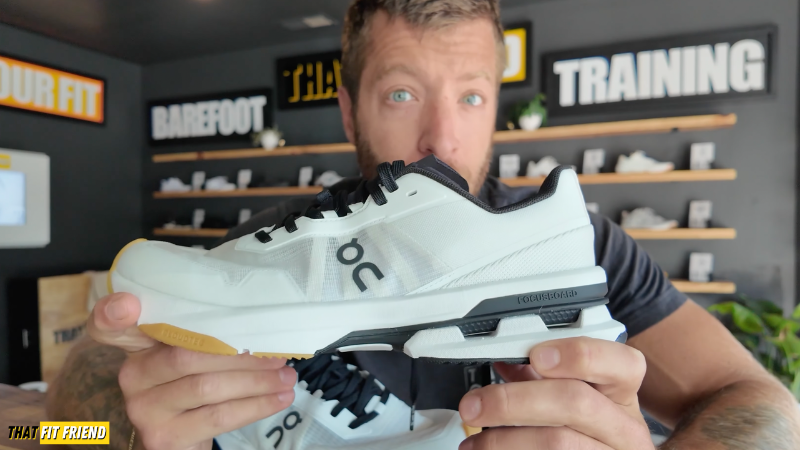
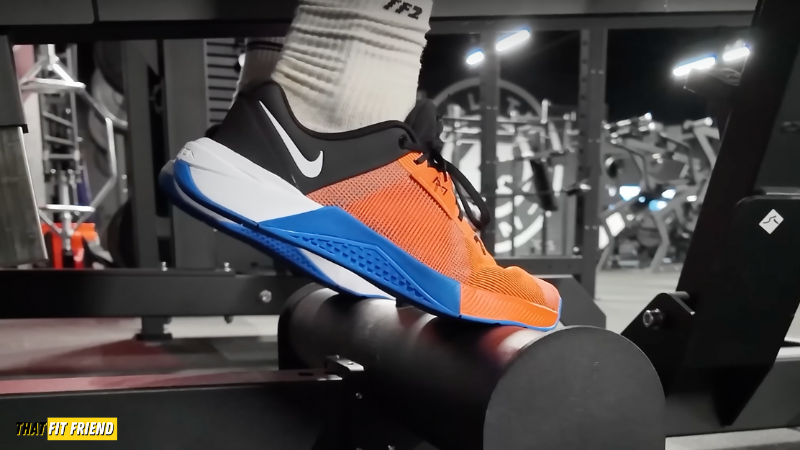
The outsole grip is great in both, and the uppers provide plenty of security for most lifting tasks with both free weight and machines. The stability of each comes from its midsoles and plates/shanks. Metcon 10’s ReactX midsole and TPU heel plate provide you with a solid base for every lifting task, and the CloudPulse Pro’s Focusboard and Speedboard provide a similar level of support.
If I had to give the edge to ONE of these for which you can lift the heaviest in, then the Nike Metcon 10 is bringing home the win. This model feels a little more “athletic” on the foot with its fit and feel, and since it’s built for cross-training and CrossFit primarily, it has a more dynamic vibe when lifting.

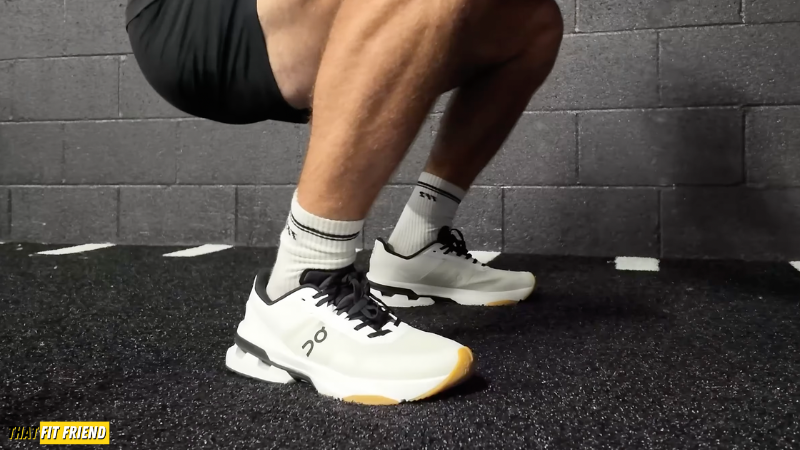
Now, is there a scenario where the CloudPulse Pro takes the edge for lifting over the Metcon 10? Yes. If you like a little more arch support and a more “built-out” feeling shoe, then you’ll enjoy the CloudPulse Pro. It definitely has a heavier fit and feel to it and can be the move for those who like more midfoot support.
The Takeaway: For max stability and if you do any CrossFit at all, go Metcon 10. These will also be the move for anyone who likes a cleat-like feeling in training shoes. For more arch support and ankle support, go CloudPulse Pro.
Nike Metcon 10
$155
Pros
- Stable for lifting
- Athletic feeling upper
- Good for arch support lovers
Cons
- Not flat feet friendly
- Still lacks versatility
- Upper volume is hit or miss
Best For
- Lifting
- CrossFit
- Cross-Training
- Arch Support Lovers
- Low Volume Feet
Specs
| Heel-to-Toe Drop | 4mm |
| Weight | 11.80 oz (size 10) |
| Width | Medium/Wide |
| Lifting Threshold | ~455 lbs |
| Run Distance Threshold | <1,200 at one time |
Which Should You Buy for Cross-Training?
I’m not going to speak heavily to CrossFit in this comparison because the CloudPulse Pro isn’t built for that. Grab the Metcon 10 if CrossFit is in your weekly training schedule.
For cross-training, AKA workouts that blend lifting with some jumping and multi-directional work — think athletic-style sessions, both shoes have their pros and cons.
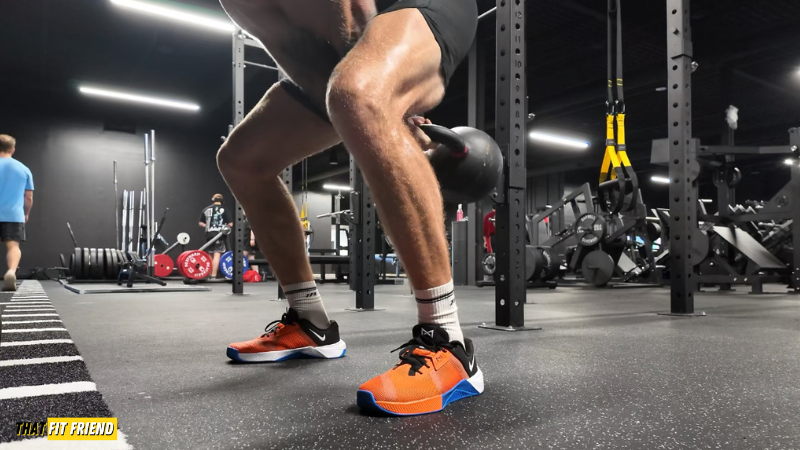
The Metcon 10’s edge comes in if you like a lower-profile feeling shoe. The forefoot volume is lower in this model, so you get a little more sidewall hug in them compared to the CloudPulse Pro’s higher volume forefoot upper if you’re after that. The 10 also takes the lead when it comes to feeling lighter on the feet. For advanced plyos, lateral cuts, and other power-focused movements, the 10 feels a bit more sporty.

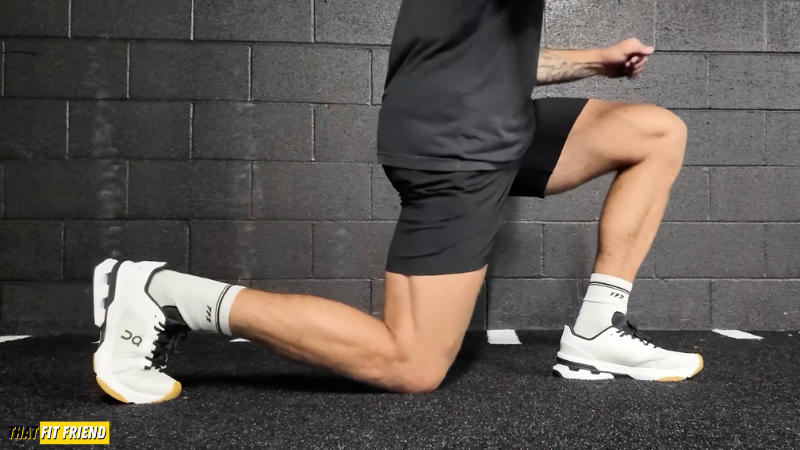
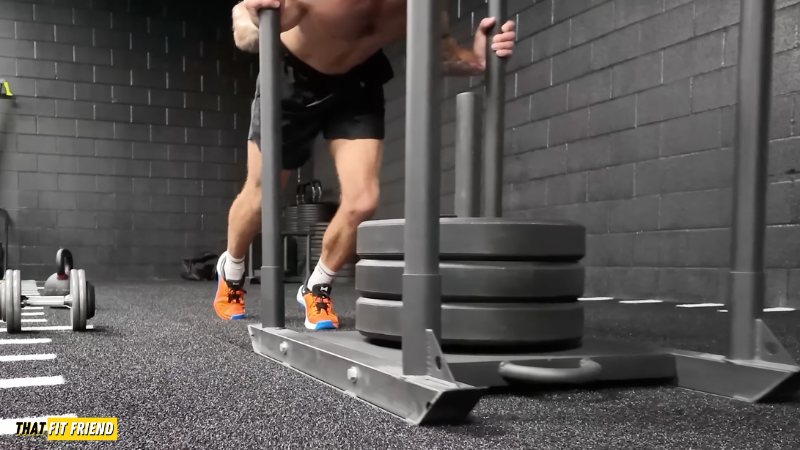
The CloudPulse Pro’s edge comes into play for those who want additional midfoot and ankle support. The higher boot and Focusboard shank in this shoe give you a nice degree of lockdown and balance if you need additional assistance there. The tread on the outsole is also more aggressive on the CloudPulse Pro, so if you’re going hard on turf, this may also be the move for you.
The Takeaway: Like lifting, go Metcon 10 for a sportier vibe and if you’re a sports athlete. If you need additional midfoot and ankle support for balance and lockdown or regularly go hard on turf, grab the CloudPulse Pro.
On CloudPulse Pro
$180
Pros
- Good lateral support
- Stable for heavier sessions
- Awesome outsole grip
Cons
- Not the most flexible
- Can feel heavy
- Not flat feet friendly
Best For
- Strength Sessions
- Sport Sessions
- Arch Support Lovers
Specs
| Heel-to-Toe Drop | 6mm |
| Weight | 13.50 oz (size 10) |
| Width | Medium |
| Lifting Threshold | ~405 lbs |
| Run Distance Threshold | <800 meters (at one time) |
ALTERNATIVES
Which Is Better for Short Runs?
Neither, to be fair.
Yes, the Metcon 10 is more runnable compared to the Metcon 9, but it’s still not going to be your training shoe for tackling runs over 800 meters. Whether you like to program intervals, have a CrossFit box that programs a lot of running, or love a solid 1+ mile warm-up and cooldown run, the Metcon 10 will be a miss due to its clunkier heel.
The CloudPulse Pro is a LITTLE better than the Metcon 10 for running, but not by much. From a “beating you up” for being too stable context, the CloudPulse Pro takes the edge, but its heavier construction and stiffer build kill its performance for anything over 1,000 meters.
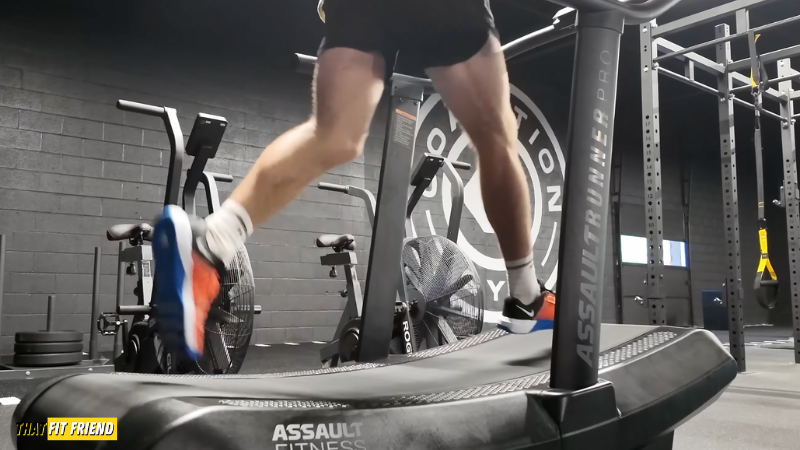

The Takeaway: Don’t buy either of these if a big ask for you is running. If you’re considering Nike and you want a slightly more hybrid-y shoe, go with the Free Metcon 6. For my On fans, grab the CloudPulse Next or CloudPulse.
Which Can You Walk With and Wear Out of the Gym?
I’m not going to lie, neither of these would be my first pick for anyone wanting a trainer that they can wear casually and to the gym.
That said, the CloudPulse Pro is definitely the better option between these two shoes. It’s a little more comfortable for longer walks and being on your feet all day, and it breathes a bit better. I also like that it has a little more forefoot volume for letting the toes do their thing.
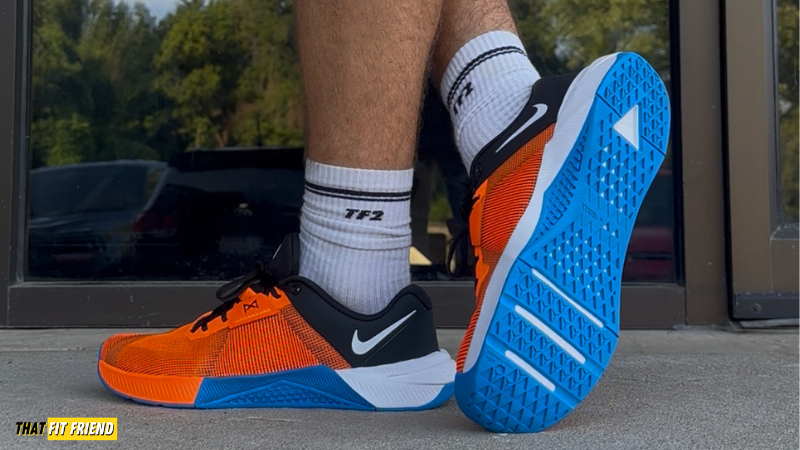
The Metcon 10 feels a little too dense, and because its toe box feels more low-profile, I think most will find it uncomfortable after multiple hours of use. My hour cap in the Metcon 10 has been about 3-4 hours before I find myself wanting to slip my feet out of them.
The Takeaway: The CloudPulse Pro is the move if you want that trainer to work out in and walk around in pre or post-workout.
Sizing Differences and Relative Sizing Suggestions
About My Feet: I have a normal arch/instep and my feet come in at an E/EE width. The length of my left and right foot are consistent with one another, and I size as a true US 10 for most companies’ sizing charts.
CloudPulse Pro Fit Breakdown:
- Narrow (<D) Feet: True to size
- Medium (D) Feet: True to size
- Wide Feet (E-EE): True to size
- Extra Wide Feet (3-4E): Go up a half-size or pass.
Metcon 10 Fit Breakdown:
- Narrow (<D) feet: True to size.
- Medium (D) width: True to size.
- E width feet: True to size.
- 2E+ width feet: Go up a half size.
For most foot anatomies, true to size will be the move in these shoes. If you have extra-wide feet, then you may want to go up half a size in both or pass on them entirely. If you need wider options or have flatter feet, look into the Altra Solstice XT 3, Flux Adapt Graphene Trainer, and Inov8 F-Lite.
Outside of width, some fit caveats to consider between the Metcon 10 and CloudPulse Pro are their level of arch support and boot height.
The CloudPulse Pro has a little more arch support; however, the Metcon 10’s midfoot to forefoot has a slightly more tapered feeling. If you like a lot of hug on your midfoot, both shoes should be fine. As stated in the performance section, the CloudPulse Pro has a higher boot and a little more structure to it, if you like more ankle support.
Final Thoughts: Which Should You Buy?
There’s a reason the Metcon 10 and CloudPulse Pro are starting to build cult-like followings. They’re both solid shoes and can feel incredibly dialed for certain athletes and lifters.
From a pure stability standpoint, both shoes work fine, and I wouldn’t stress that for the beginner and intermediate gym-goer who just likes to lift a bit each week.
For CrossFit, grab the Metcon 10, and for anyone who takes classes and does HIIT, grab the CloudPulse Pro.
If you have additional questions on either of these shoes or want other options to look into, drop a comment below.


Add a Comment